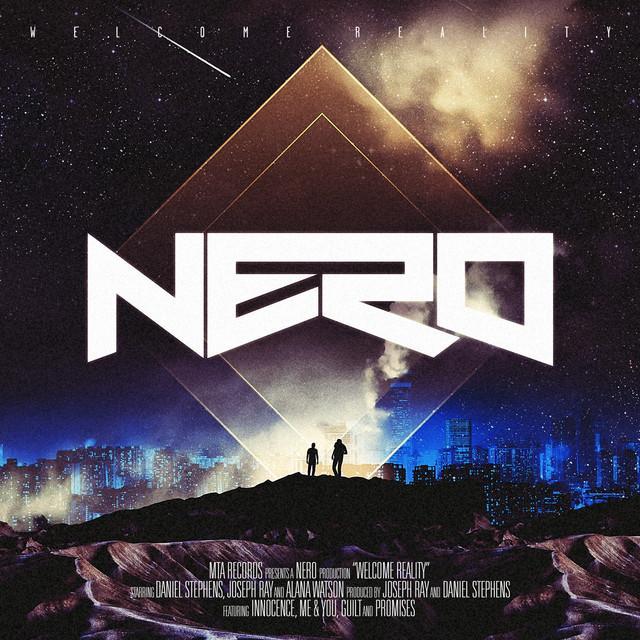
Doomsday by Nero: A Broadcast From the End
The meaning of Doomsday Nero starts with how little it says and how much atmosphere it creates. With only a few words, the song feels like a warning siren from the future. It does not unfold like a normal verse-chorus story. Instead, it drops the listener into a cold, futuristic scene where time, dread, and spectacle all matter more than plot.
"Doomsday" - Nero
Doomsday
The year is twenty eight oh eight
Loading lyrics...
Unable to load lyrics
We're unable to display the lyrics at this time. Please try again later.
Nero built their reputation on dramatic electronic music, blending dubstep, house, and cinematic pop textures. The group consists of Daniel Stephens, Joe Ray, and vocalist Alana Watson, according to the band’s official profiles and major music databases. In that context, a title like Doomsday makes sense: they often lean into scale, tension, and end-of-the-world energy.
What the Song Seems to Say Beneath the Surface
At the most basic level, the song sounds like an announcement of catastrophe. The repeated title phrase, Doomsday
, is less a description than a signal. It frames the whole track as a countdown to something final.
The other major image is a strange future timestamp: December the first
and the year is twenty eight oh eight
. Paraphrased, the song places the listener in a distant year, as if a machine or broadcaster is logging the date before disaster arrives. That choice matters because it removes the song from everyday life and pushes it into science-fiction territory.
Interpretation: Rather than singing about one breakup, one fear, or one social problem, Nero seem to be staging a full collapse scenario. The song’s meaning comes from mood and framing, not narrative detail.

Watch the official Doomsday
music video
Why the Future Date Matters So Much
The date is the key to the song’s identity. By setting events in 2808, Nero make the warning feel both absurdly far away and oddly immediate. It is futuristic, but the repeated delivery makes it sound official, like a message recorded for survivors.
In wider culture, “doomsday” usually points to end-times ideas or global catastrophe. Reference works commonly connect the term to apocalypse, eschatology, and civilization-ending risk. That larger meaning helps explain why the word carries so much force even when the lyric stays minimal.
A Song That Works Like a Movie Trailer
One useful way to hear the meaning of Doomsday Nero is to think of it as a trailer for a disaster film. The song does not explain every event. It gives the listener just enough: a date, a title, and a feeling that something irreversible is coming.
That is why the repetition works. When the phrase December the first
returns, it feels less like information and more like ritual. The track acts like a countdown loop, drilling dread into the listener.
The Voice Feels Like a Broadcast
The lyric fragment does not sound conversational. It sounds public and mechanical, almost like a system message. That makes the emotional effect colder and more unsettling.
Interpretation: They may be using that detached voice to show how disaster becomes easier to announce than to understand. The song is not crying in panic; it is documenting the end with eerie calm.
How Nero’s Sound Carries the Threat
Nero’s production style is a huge part of the song’s meaning. Even without many lyrics, they can make a track feel enormous. Their music often uses pounding low end, sharp synth design, and space-heavy mixes that create tension before a drop.
For a song called Doomsday, that sonic approach matters more than usual. A sparse vocal over looming electronic production can feel like a warning siren over a collapsing city. The beat does not just support the lyric; it becomes the disaster.
This is where the band’s dance background helps. In dance music, repetition is power. Repeated phrases are not filler when used well; they become commands, alarms, and emotional anchors. Here, the repetition of Doomsday
turns the title into a pulse that drives the whole experience.
Themes and Symbols Hidden in Plain Sight
Even from the short lyric, a few motifs stand out:
- Time: the exact date stamp gives the song structure.
- Futurism: the year 2808 creates a sci-fi frame.
- Collapse: the title points to finality and ruin.
- Distance: the track feels more global than personal.
These motifs suggest a song about scale. This is not someone saying their world ended. It sounds more like the world itself is under threat.
Alternate Ways to Read It
There is also a less literal reading. Interpretation: “Doomsday” could describe emotional overload rather than real apocalypse. The future date may exaggerate a feeling of disconnect, as if the speaker is so removed from ordinary life that they sound like they live in another era.
Another possible reading is that the song mocks humanity’s habit of predicting the end. By making the date so distant and stylized, Nero may be showing how apocalypse can become part prophecy, part theater.
The Lasting Takeaway
The meaning of Doomsday Nero lies in its efficiency. With a few repeated words, Nero create a full scene: a future world, a public warning, and a sense of approaching collapse. It is less about detailed storytelling and more about controlled panic.
That is why the song sticks. It turns minimal language into maximum atmosphere, using futuristic imagery and forceful dance production to make “the end” feel strangely danceable.
Disclaimer: This interpretation is based on the available lyric fragment, song credits, and Nero’s broader style. Like many electronic tracks, its meaning is partly shaped by listener response.








