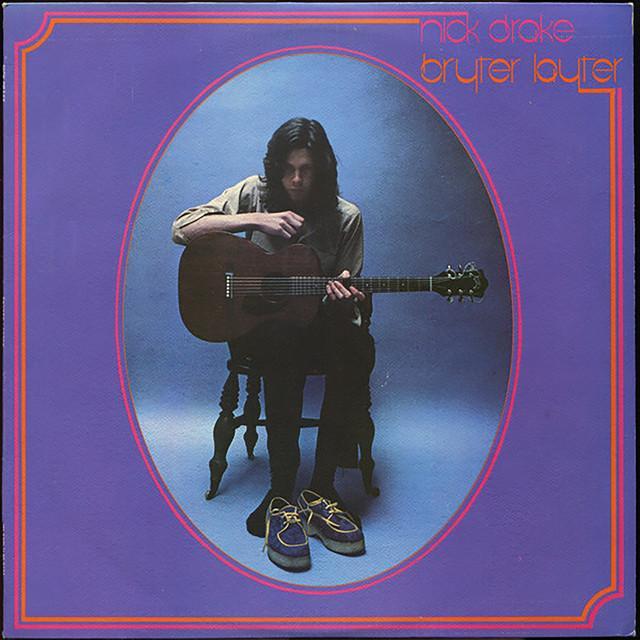
Hazey Jane II by Nick Drake
The meaning of Hazey Jane II Nick Drake starts with a paradox: the song sounds light on the surface, but its words keep circling uncertainty, pressure, and change. Nick Drake wrote it for Bryter Layter, his 1971 second album, a record often noted for its fuller arrangements compared with the stark feel of Pink Moon. Factually, the song is written by Drake and is part of that album’s more polished, band-backed sound.
"Hazey Jane II" - Nick Drake
So crowded that you can't look out the window in the morning.
What will happen in the evening in the forest with the weasel
Loading lyrics...
Unable to load lyrics
We're unable to display the lyrics at this time. Please try again later.
A bright song about an uneasy threshold
At its core, this song seems concerned with what happens when private safety no longer protects a person from the larger world. The opening questions about morning and evening frame life as something shifting and unstable. When the lyric imagines the world getting so crowded
, it suggests overstimulation and loss of perspective.
That image matters because the song contrasts outside pressure with the comfort of memory. The mention of friends, books, and records points to a sheltered inner life built from companionship, art, and routine. Interpretation: the lyric seems to ask what happens when a sensitive person can no longer stay hidden inside that world.
Watch the official Hazey Jane II
music video
From shelter to motion
One of the key emotional moves in the song is its sense of leaving security behind. The line about people once known being left behind
sounds less like betrayal than inevitable drift. Growing up often means outgrowing the structures that once kept a person safe.
The next verses push that idea further. Commands like start over again
and never look round
sound like advice, but they also carry pressure. This is not a soft invitation to grow; it is a push toward movement, clarity, and social belonging.
Family, duty, and identity
The family imagery adds another layer. The song speaks of a family becoming part of a chain, which suggests inheritance, obligation, and social roles. Interpretation: Drake may be hinting that identity is shaped not only by private desire but also by what family and society expect.
That makes the song feel tense even when the melody stays graceful. The speaker seems aware that becoming an adult means taking on a place in a larger system, whether or not that place feels natural.
Why Hazey Jane matters in the chorus
The chorus shifts from advice and warning into something more intimate. When the song says she's back again in my mind
, Hazey Jane becomes a figure of return. She may be a real person, but the lyric does not pin her down.
Interpretation: Hazey Jane can be heard in at least two ways:
- as a woman the singer remembers
- as a symbol of imagination, escape, or an earlier self
The next idea is one of the song’s smartest. It imagines songs as lines in a conversation. That means music becomes a way to say what ordinary speech cannot. If songs could bridge distance cleanly, then the situation would be fine
. That sounds hopeful, but also sad, because it implies the situation is not fine at all.
Let's sing a song
For Hazey Jane
If songs were lines
In a conversation
Here, the lyric turns music into both refuge and failed rescue. It can express longing, but it cannot fully solve it.
How the arrangement deepens the meaning
A huge part of the meaning of Hazey Jane II Nick Drake comes from sound, not just words. The track is more rhythmic and extroverted than many Drake songs. Its acoustic guitar keeps things nimble, while the fuller arrangement gives the song lift and motion.
That matters because the production does not simply mirror the lyric’s anxiety. Instead, it pushes against it. The music feels open, even social, while the words remain unsure. This contrast creates emotional depth: the song sounds like movement forward, even as the narrator questions what that movement costs.
Drake’s vocal delivery also helps. They sing in a calm, almost detached tone, which makes the strange imagery feel thoughtful rather than theatrical. The result is a song that feels observant, not melodramatic.
The deeper themes beneath the mystery
Several motifs keep connecting the song’s images:
- Morning and evening: transitions, uncertainty, the passing of time
- Windows and forests: seeing versus losing one’s way
- Books and records: memory, culture, private refuge
- Anchors and lifting off: release, risk, and leaving stability
Taken together, these images suggest a person caught between retreat and engagement. Interpretation: the song may describe the emotional cost of entering adult life for someone who feels safer in reflection than in action.
That reading fits Drake’s broader songwriting style. They often wrote in images rather than direct confession, which is one reason listeners continue to debate his work. The ambiguity is not a flaw; it is part of the experience.
Why the song still resonates
What keeps “Hazey Jane II” alive for modern listeners is its mix of warmth and uncertainty. Many songs about growing up are blunt. This one is not. It captures the feeling of being nudged into life before one fully knows how to stand in it.
The song also understands that art can help without fully healing. Music can hold confusion, organize it, and make it shareable. That may be why the chorus feels so moving: it turns memory into song, and song into a fragile form of contact.
In the end, the meaning of Hazey Jane II Nick Drake is less about solving a puzzle than recognizing a feeling. It is a song about transition, social pressure, memory, and the hope that music might briefly make a fractured situation feel whole.
Disclaimer: This article offers interpretation based on the lyrics, recording context, and common critical readings. Nick Drake’s songs often remain intentionally open, so other readings may also be valid.







