Why ‘Cruel To Be Kind’ Still Stings
The meaning of Cruel To Be Kind Nick Lowe comes from a sharp contradiction: the music feels sunny, but the relationship inside the song feels bruising. Nick Lowe turns that tension into the whole point. What sounds like a sweet pop hit is really a story about someone who is tired of being hurt and tired of hearing excuses.
"Cruel To Be Kind" - Nick Lowe
Though you say you're my friend, I'm at my wit's end
You say your love is bonafide, but that don't coincide
Loading lyrics...
Unable to load lyrics
We're unable to display the lyrics at this time. Please try again later.
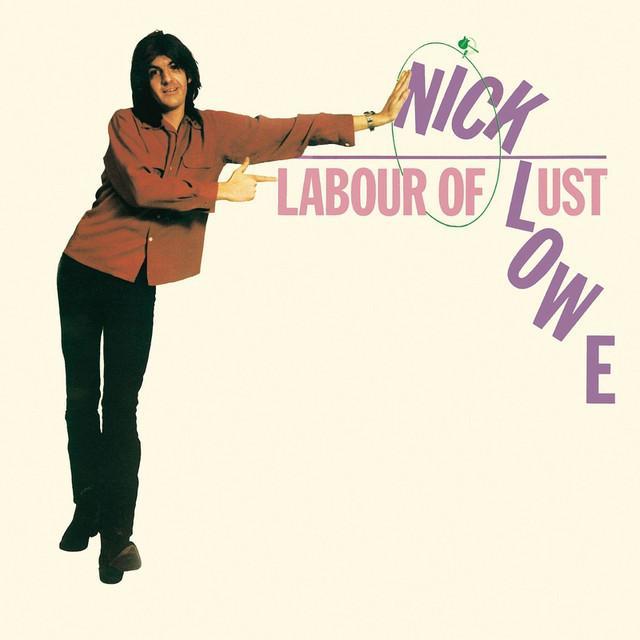
Released on Labour of Lust in 1979, Lowe’s re-recorded version became his biggest U.S. hit, reaching No. 12 on the Billboard Hot 100 and No. 12 in the UK as well. It was written by Lowe and Ian Gomm, and the best-known version was produced by Lowe.
The Hook Is an Excuse, Not Advice
At first glance, the chorus can sound like an old saying about tough love. But in the song, that idea lands very differently. The narrator asks for basic kindness, and the other person answers with cruel to be kind
. That makes the line feel less like wisdom and more like a dodge.
Interpretation: the chorus is ironic. It shows how easily cruel behavior can be dressed up as care. Instead of admitting fault, the partner turns pain into proof of love.
That is why the song still feels so modern. It captures a familiar emotional pattern: one person names the hurt, and the other person reframes that hurt as necessary.

Watch the official Cruel To Be Kind
music video
Inside the Relationship Drama
The verses keep the story simple and effective. The narrator opens in exhaustion, saying they cannot take more heartache. They are not confused about being hurt; they are confused about why the other person insists that love and harm belong together.
A key moment comes when the singer points out that the partner’s claims do not match reality. The phrase bonafide
is especially useful here. It suggests the partner insists their love is real, while their actions say the opposite.
Later, the song adds a physical image of emotional wear and tear: pick myself up
only to be knocked down again. That image is plainspoken, but it tells the whole story. This is a cycle, not a one-time fight.
I pick myself up off the ground
to have you knock me back down
Those lines are brief, but they show repeated damage. The narrator is trying to recover while the relationship keeps undoing that effort.
Shakespeare in a Power-Pop Single
The title did not come from nowhere. It echoes a line from Shakespeare’s Hamlet: “I must be cruel only to be kind.” Lowe and Gomm borrowed that phrase and dropped it into a pop song about romantic frustration.
That matters because the older phrase suggests hard truth told for a good reason. Lowe’s song twists it. Here, the phrase sounds suspicious. It is not clearly noble or necessary. It may just be a stylish cover for selfishness.
Interpretation: the song plays with the prestige of a famous line while quietly undercutting it. That makes the chorus memorable and uneasy at the same time.
Why the Sound Changes the Meaning
Part of what makes the meaning of Cruel To Be Kind Nick Lowe so strong is the arrangement. The track moves with bright guitars, a tight backbeat, and the snap of classic power pop. Yet Lowe also drew from Philly soul and disco. He said the musical spark came from Harold Melvin & the Blue Notes’ “The Love I Lost,” especially its bass feel.
That groove matters. If the song were slow and mournful, its message would be obvious. Instead, the cheerful surface makes the emotional damage easier to miss at first. The listener may find themselves smiling before they realize the narrator is trapped in a hurtful loop.
This contrast is one reason critics and fans keep coming back to it. The melody offers lift, while the words describe frustration, disbelief, and emotional fatigue.
Nick Lowe’s Context Helps Explain It
“Cruel to Be Kind” began earlier than its hit version. Lowe and Ian Gomm wrote it during the Brinsley Schwarz years, and an earlier recording existed before Lowe re-cut it for Labour of Lust. According to reporting in American Songwriter, Columbia A&R man Gregg Geller kept pushing Lowe to revisit the track until he finally did.
That second chance paid off. The 1979 version became Lowe’s signature American hit. Lowe later spoke warmly about it, calling it a song that cheers people up.
That comment fits the record’s strange balance. The song is not cheerful because the story is happy. It is cheerful because Lowe knew how to package disappointment inside a pop structure that feels light on its feet.
A Few Strong Ways to Read the Song
There are two main readings that make sense:
- A breakup warning. The narrator sees through the excuse and is close to done.
- A portrait of emotional confusion. The narrator is still trying to understand someone who keeps justifying harm.
Both readings are supported by lines like at my wit’s end
and mystify
. One points to exhaustion; the other points to ongoing confusion.
Why It Lasts
The song lasts because its central idea is so recognizable. People often hear harmful behavior explained away in polished language. Lowe turns that pattern into a hook so catchy that the listener almost experiences the same trap as the narrator: charm on the outside, trouble underneath.
In the end, “Cruel to Be Kind” is not really defending cruelty. It is exposing the way people use clever phrases to excuse it.
Disclaimer: This interpretation separates documented facts about the song’s writing, release, and style from critical reading of its lyrics. Meaning can remain open to listeners.








