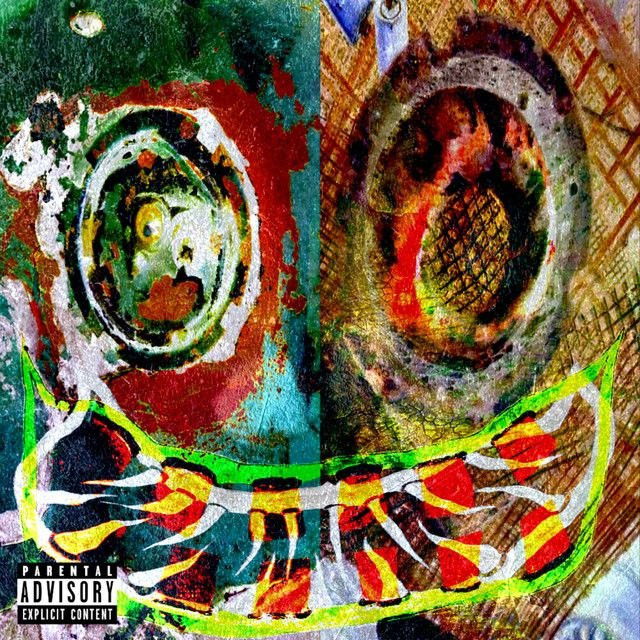
Bottom Top by Night Lovell
A Dark Flex, Not a Love Story
The meaning of Bottom Top Night Lovell comes through fast: this is a song about control, appetite, and image. It is not framed like a tender relationship track. Instead, they build a cold, confrontational persona who treats sex, loyalty, and reputation as part of the same power game.
"Bottom Top" - Night Lovell
Always knew you was a stan (ayy), close the curtain, then I tell that bitch (okay)
Give me top (top), give me top (top), give me top (top)
Loading lyrics...
Unable to load lyrics
We're unable to display the lyrics at this time. Please try again later.
Night Lovell is the stage name of Shermar Cuba Paul, an Ottawa-born Canadian rapper known for dark, bass-heavy rap and trap music, with work spanning cloud rap and phonk textures, according to current biographical summaries and discography listings. “Bottom Top” appears on Just Say You Don’t Care, released May 7, 2021. Those facts help because the song fits the larger persona they have built: brooding, detached, and hard to intimidate.

Watch the official Bottom Top
music video
What the Song Is Really Saying
At the surface, the track is highly sexual and openly explicit. But underneath that, it is also about dominance. The narrator talks as if other people are possessions, prizes, or threats to manage. That is why lines about taking someone from another partner and repeated commands in the chorus matter so much.
When they boast about take you from your man
, the point is not emotional connection. It is conquest. The same goes for the hook’s repeated demand, give me top
. It reduces intimacy to proof of status, as if desire confirms their authority.
Interpretation: the song turns sex into a public display of power. In this reading, the chorus is less about pleasure than about control and the image of being untouchable.
The Persona Behind the Voice
A narrator who wants total command
The verses keep expanding that image. They move from sexual confidence to threats, money talk, and talk of enemies. That jump may seem sudden, but it is central to the song’s meaning. In this world, romance, violence, and status all sit in the same emotional lane.
For example, when they say I rule the world
, it sounds exaggerated on purpose. It is the language of someone building themselves into a myth. A few bars later, they insist I did it myself
, which shifts the mood from lust to self-made pride. That adds another layer: they want listeners to see them as both feared and self-sufficient.
How the Story Moves From Seduction to Threat
One of the most striking things about “Bottom Top” is how quickly it moves between scenes. The song does not tell a detailed plot, but it does create a sequence of attitudes:
- They claim another person’s attention.
- They turn sex into a command-performance.
- They pivot to rivals, betrayal, and retaliation.
- They return to the chorus, where power and pleasure blend again.
That structure matters. It makes the song feel less like a personal confession and more like a lifestyle statement. Even a phrase like ride-or-die
is not soft here. It frames loyalty as another test of strength.
Why the Hook Feels So Aggressive
The chorus is repetitive, but that repetition serves a purpose. It drills one idea into the listener’s head: the narrator expects obedience. The hook is catchy in the simplest way, yet it also feels intentionally harsh.
Give me top
Oh my God
fromthe bottom to the top
Even in that brief section, the language is less intimate than performative. The repeated phrases sound like orders and reactions, not conversation. That is why the hook can feel memorable and unsettling at the same time.
Sound and Production: Why It Lands So Hard
Night Lovell’s music is widely associated with a dark, atmospheric sound, and that context matters here. Their catalog is known for low-end weight, deep vocals, and an almost nocturnal mood. “Bottom Top” works because the production likely supports the same emotional world as the lyrics: blunt drums, heavy bass, and a hypnotic loop that leaves lots of room for vocal menace.
That style helps the song’s meaning. A brighter beat could make these lyrics feel playful. A darker beat makes them feel colder and more threatening. Their low-register delivery also matters because it suggests calm confidence rather than frantic emotion. They do not sound conflicted; they sound in control.
The Bigger Themes Under the Shock Value
Beneath the explicit content, a few themes keep appearing:
- Dominance: sex and conflict are both framed as acts of control.
- Reputation: the narrator wants to appear feared, envied, and impossible to check.
- Self-creation: they reject the idea that anyone else made them.
- Emotional detachment: people become symbols of status more than full partners.
Interpretation: listeners can hear the song as a critique-free flex, or they can hear it as an extreme version of the Night Lovell persona, where power has replaced intimacy. Both readings fit the text.
Where “Bottom Top” Fits in Night Lovell’s Catalog
Because “Bottom Top” appears on Just Say You Don’t Care, it sits in a period where Night Lovell had already established a strong aesthetic identity. Their breakthrough came earlier with “Dark Light,” and their wider body of work often blends menace, isolation, and confidence. This track pushes hardest on the hedonistic and threatening side of that formula.
So, the meaning of Bottom Top Night Lovell is not especially hidden. It is a stark performance of lust, status, and intimidation. What gives it staying power is not lyrical subtlety, but how fully it commits to that dark, dominant voice.
Disclaimer: This article offers interpretation based on the lyrics, known artist context, and musical style. Song meanings can vary from listener to listener.








