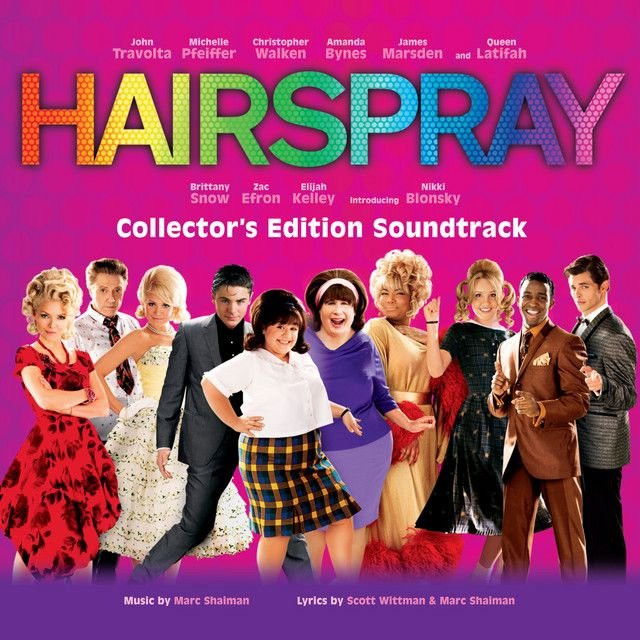
I Can Hear the Bells by Nikki Blonsky
The meaning of I Can Hear the Bells Nikki Blonsky comes down to one big feeling: a crush so intense that it instantly becomes a full future in the mind. In Hairspray, Tracy Turnblad bumps into Link Larkin and, within seconds, imagines dates, marriage, family approval, and even old-age devotion. That leap is the joke, but it is also the heart.
"I Can Hear the Bells" - Nikki Blonsky
Well, don't cha hear 'em chime?
Can't 'cha feel my heartbeat keeping perfect time?
Loading lyrics...
Unable to load lyrics
We're unable to display the lyrics at this time. Please try again later.
The song began in the 2002 Broadway musical Hairspray, where Tracy sings it as a fantasy number. It was written by Marc Shaiman and Scott Wittman, and the song is listed as part of the original musical score released in 2002. Nikki Blonsky later performed it in the 2007 film adaptation as Tracy, the role that made her widely known.
The Song Turns a Tiny Moment Into a Life Story
At the plot level, the setup is simple. Tracy has a brief physical encounter with Link, and her mind races ahead. The repeated hook I can hear the bells
is not literal. It signals wedding bells, romantic destiny, and the dizzy feeling of falling hard, fast.
What makes the song memorable is how quickly it escalates. A glance becomes fate. A bump becomes proof of true love. Phrases like my head is spinning
and something's beginning
show that Tracy is overwhelmed, but in a happy, almost theatrical way.
Interpretation: The song is about love at first sight, but even more than that, it is about how young desire works. A teenager can take one charged moment and build an entire emotional universe around it.
Watch the official I Can Hear the Bells
music video
Tracy's Fantasy Is Sweet, Funny, and Defiant
One reason the song works so well is that it never plays Tracy as foolish in a cruel way. Instead, it lets them feel how exciting a crush can be. The fantasy is exaggerated on purpose, which gives the number its comic spark.
The lyrics move in rounds, almost like a boxing match or a countdown. That structure turns romance into a playful competition. When Tracy imagines Round one
through later wedding steps, they are not describing reality. They are staging victory in their own mind.
That matters because Tracy already knows other people doubt them. The song includes lines about what everybody says
, meaning the social pressure around beauty, popularity, and who is considered worthy of attention. Tracy hears those judgments, but refuses to let them define the dream.
A Hidden Theme: Wanting To Be Seen Beyond Looks
Under the comedy, there is a more serious idea. Tracy knows people may assume someone like Link would never choose someone like them. That insecurity is part of the emotional engine of the song.
The key moment comes when Tracy insists he will look inside of me
. That short phrase carries much of the song's emotional weight. It shifts the number from pure fantasy to a deeper hope: they want love based on inner worth, not social ranking or body image.
This is where the song fits neatly into Hairspray as a whole. The musical is famous for its bright sound and humor, but it is also about exclusion, image, and who gets accepted. Tracy's romantic fantasy mirrors the story's wider belief that people should be valued for who they are.
Why the Bells Matter So Much
The central image is simple but effective. Bells usually mark celebration, especially weddings. Here, they work like a soundtrack inside Tracy's head.
Critics and reviewers have long noticed the dream quality of the number, often describing it as lovestruck, dreamy, or comic. The bell imagery helps create that floating mood. Instead of grounding the song in reality, the sound idea lifts it into fantasy.
There is also a physical side to the writing. Tracy talks about a racing heartbeat, rising temperature, and ringing ears. Love is not shown as calm. It is noisy, physical, and almost impossible to control. The bells become a symbol for emotional overload.
How the Music Sells the Meaning
Musically, the song is rooted in show-tune pop, with a bright theatrical build that matches Tracy's expanding fantasy. In the original Hairspray score, it sits among other high-energy, early-1960s-inspired numbers, but this one feels more dreamy and suspended.
The arrangement supports the idea of a private daydream turning huge. The melody rises and opens up, while the backing vocals and chiming textures create a fairy-tale effect. Reviews have noted the emphasis on tinkling bells and rhythmic chiming in stage versions, which reinforces the dream setting.
Nikki Blonsky's performance in the 2007 film adds another layer. Their delivery balances power with innocence, so the song sounds both comic and sincere. That balance is important. If sung too broadly, the number becomes only a joke. If sung too seriously, it loses its playful charm. Blonsky keeps both sides alive.
The Bigger Meaning of I Can Hear the Bells Nikki Blonsky
So, what is the meaning of I Can Hear the Bells Nikki Blonsky in the end? It is a portrait of instant infatuation, but it is also a defense of hope. Tracy refuses to let the world tell them they are too awkward, too unfashionable, or too unlikely to deserve romance.
Interpretation: The song says fantasy can be empowering. Tracy's imagined future may be unrealistic, but it gives them confidence. In that sense, the bells are not just about marriage. They are about possibility.
That is why the number still lands. It captures the teenage habit of turning one moment into destiny, while also touching a universal wish: to be seen, chosen, and loved fully.
Final Take
"I Can Hear the Bells" works because it blends giddy comedy with real longing. Tracy's fantasy is larger than life, yet the feeling under it is simple and human.
For many listeners, that is the lasting appeal of the song: it sounds like a joke about a crush, but underneath, it is about self-belief.
Disclaimer: This article offers a good-faith interpretation of the song's themes and dramatic purpose. Meanings can vary by listener, performance, and production context.








