Why "Baltimore" by Nina Simone Still Hurts
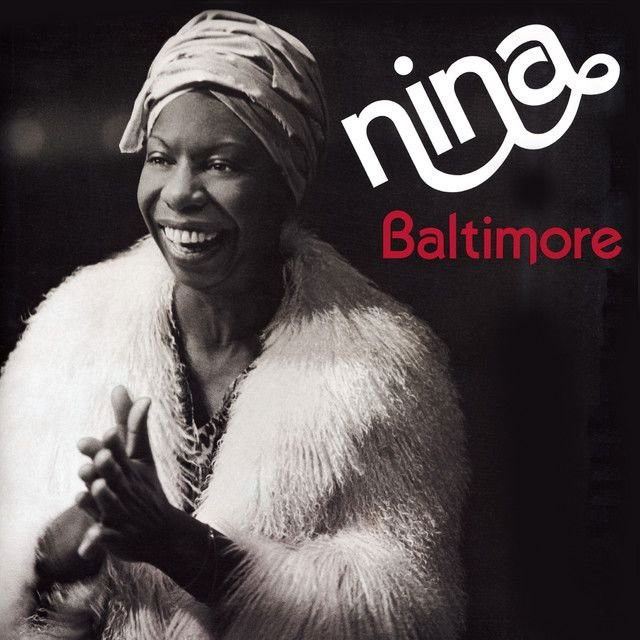
The meaning of Baltimore Nina Simone starts with a simple idea: this is a song about urban pain that feels personal, public, and impossible to ignore. Written by Randy Newman and recorded by Nina Simone as the title track of her 1978 album Baltimore, the song watches a city in decline and asks what it does to the people trapped inside it.
"Baltimore" - Nina Simone
On a marble stair
Tryin' to find the ocean
Loading lyrics...
Unable to load lyrics
We're unable to display the lyrics at this time. Please try again later.
Simone did not write the song, but their performance gives it a moral force that changes its center. In their hands, it is not just a portrait of one place. It becomes a lament for neglected communities, and a protest against the habit of looking away.
A City Song That Feels Like a Warning
On the surface, the song describes street scenes: poverty, exhaustion, sex work, addiction, and people moving through public spaces with nowhere safe to go. Early images like beat up little seagull
and marble stair
set up a sharp contrast. The bird suggests vulnerability and instinct. The stone stair suggests wealth, power, or institutions that seem cold and far removed from daily suffering.
That clash matters. The song is not saying the city lacks beauty. It suggests beauty has become detached from human need. Even the seagull, a creature that should belong by the water, seems displaced, still tryin' to find the ocean
. That image mirrors the people in the song, who live in the right place physically but feel cut off from freedom, purpose, and relief.
Watch the official Baltimore
music video
What the Verses Show About Decline
The verses work like snapshots. Each one adds another detail to a civic emergency. There are signs of economic hardship, social isolation, and emotional numbness. The line about hard times in the city
is plainspoken, and that plainness is part of its power. The song does not hide behind poetry for long. It names struggle directly.
Then it gets more specific. A woman on a corner, a drunk in the rain, and citizens who avoid eye contact all suggest a place where crisis has become normal. The song's saddest idea may be that people no longer react. They hide their faces because the city's pain is too common, too big, or too shameful to face.
And the people hide their faces
And they hide their eyes
because the city is failing,
and no one can fully explain it.
That moment shifts the song from description to diagnosis. The problem is not only poverty. It is also denial. The city is dying in public, and the public has learned not to stare.
The Chorus Turns Observation Into Grief
The chorus asks, in effect, how anyone is supposed to survive here. When Simone sings ain't it hard just to live?
, the phrase lands harder than a more dramatic lyric might. It reduces life to its most basic task: getting through the day.
This is where the meaning of Baltimore Nina Simone becomes larger than one city. The chorus does not focus on policy or blame. It focuses on endurance. That gives the song a universal reach. Anyone who has seen a neighborhood abandoned by money, leadership, or hope can hear themselves in it.
Interpretation: the repeated title sounds almost like a prayer and a verdict at the same time. They call the city's name as if mourning a person.
Escape Fantasy, Real Despair
In the final verse, the song imagines leaving with family for the country. That dream matters because it reveals what the city no longer offers: safety, dignity, or a future. Wanting a wagon and open land is not really about rustic romance. It is about escape from systems that grind people down.
Interpretation: this ending is both sincere and impossible. The fantasy of leaving shows how trapped the speaker feels. If staying means spiritual death, then even an unrealistic exit starts to sound reasonable.
How Nina Simone's Version Changes the Meaning
Randy Newman released the song first in 1977, but Simone's 1978 cover is the version many listeners return to. According to the album history summarized by Wikipedia, Baltimore was Simone's only album for CTI Records, produced by Creed Taylor and co-produced by Simone. The album blended jazz, pop, R&B, and reggae touches.
That reggae feel is important. The groove is relaxed, almost warm, which creates tension with the grim subject matter. Instead of matching darkness with harshness, the production lets sadness drift in on a calm surface. That can make the song feel even more haunting.
Simone reportedly disliked parts of the production and felt they had little control over the material; the same source quotes them criticizing the sessions and song selection. That context matters, but it does not weaken the performance. If anything, the distance in their voice gives the track its force. They sound less like a character and more like a witness who has seen too much.
Sound, Delivery, and Emotional Weight
The arrangement is smoother than the lyrics. Guitar, rhythm section, backing vocals, and understated keyboard work create an easy sway. Yet Simone's vocal does not fully settle into comfort. They sing with gravity, keeping the song from becoming pretty background music.
That contrast is the whole trick. The band suggests the ongoing motion of city life, while the vocal carries the burden of what that life costs. The result is a song that sounds listenable and devastating at once.
Why the Song Still Connects
Part of the song's long life comes from how little it overexplains. It does not offer a clean political slogan. It shows damage and asks listeners to sit with it. That makes the song portable across decades, because urban neglect, displacement, and public indifference are still familiar American realities.
For many listeners, the meaning of Baltimore Nina Simone is this: a city can be wounded, and its people can be wounded with it. Simone's version endures because they make that wound sound intimate.
Final Take
"Baltimore" is about more than one place on a map. It is a study of social decay, compassion fatigue, and the desperate wish to leave before a broken environment breaks the self.
This article offers an interpretation based on the lyrics, recording context, and reception history. Like all art, the song can support more than one valid reading.








