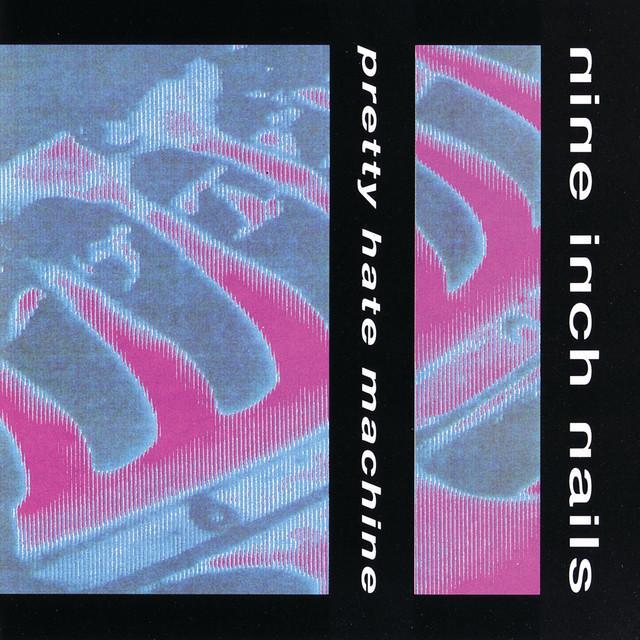
Head Like a Hole by Nine Inch Nails
The meaning of Head Like a Hole Nine Inch Nails centers on power, control, and the seduction of money. Trent Reznor builds a chant-like protest where a person rejects a system that asks them to worship wealth and give up their will.
"Head Like A Hole" - Nine Inch Nails
God money, just tell me what you want me to
God money, nail me up against the wall
Loading lyrics...
Unable to load lyrics
We're unable to display the lyrics at this time. Please try again later.
Money as the Modern Idol, Named Out Loud
From the first beat, the song points at a false god. The phrase God money
isn’t just clever—it names what the culture worships. When the lyric frames money like a deity, it suggests a morality turned upside down: profit over people.
Interpretation: the “god” here is bigger than cash alone. It can be any force that buys obedience—corporations, fame, or even a toxic relationship. The pre-chorus pushes back against that pull, setting up a refusal to surrender.
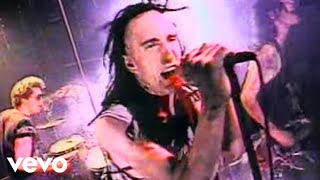
Watch the official Head Like A Hole
music video
Who’s Speaking, and What They Refuse
The narrator speaks in first person and sets hard limits. They would rather die
than give you control
. That vow flips the power dynamic. Instead of bowing to the system, they claim their agency and dignity.
Interpretation: the direct address (“you”) makes the target feel personal. It could be a boss, an industry, or a voice in their own head urging them to sell out. The result is a universal stance: anyone can plug their own oppressor into the blank.
How the Sound Hammers the Point Home
The production is a machine in motion: kick-heavy drum programming, metallic clanks, and a snarling synth-bass groove. Guitars slash in on the chorus, and the mix widens when the hook hits. That shift embodies revolt—pressure builds, then explodes into a shout-along release.
Fact: Reznor wrote the track quickly while finishing Pretty Hate Machine (1989), then watched it become a signature song and live closer on early-’90s tours. Its blend of club pulse and rock aggression made industrial music feel immediate and accessible to new listeners.
The Hook That Became a Chant
The refrain is simple and sharp. The demand to bow down
is answered by a hard no. When they add one you serve
, it turns the scene into ritual—submission performed before a master. The singer’s reply rejects that ritual, which is why the chorus lands like a line in the sand.
Interpretation: this is why the song works at rallies, arenas, and sweaty clubs. It names the order of the world and then breaks it, out loud.
Symbols and Double Meanings, Decoded
Black as your soul
: moral rot or emptiness in the thing being worshiped.- “Head like a hole”: an image of damage or vacancy—someone drilled out by obedience. It can also suggest being reduced to a part, not a person.
- “Dancing on the backs of the bruised”: profit gained through other people’s pain.
Alternate readings exist. Interpretation: some hear addiction in the language of serving and control; others notice BDSM overtones in the command to submit. Those readings fit certain lines, but the repeated money-as-deity frame keeps greed and power at the center.
From Club Floors to Pop Culture Lightning Rod
Culturally, the track punched above its weight. It opened Nine Inch Nails’ debut album and, as a 1990 single, pulled industrial rock further into the mainstream. It became a set-closing staple, helped define the band’s live ferocity, and kept returning in new forms—from string tributes to a bright, uncanny pop rewrite in Black Mirror’s Ashley O storyline.
Interpretation: the endurance comes from how flexible the target is. Listeners can aim the song at any force demanding their obedience, then scream the refusal back.
Why the Meaning Still Matters
In a time when metrics, markets, and algorithms can feel like gods, this track still bites. The meaning of Head Like a Hole Nine Inch Nails isn’t subtle: name the idol, call out the harm, refuse the trade. The song turns private disgust into a public stance—and invites everyone to join the chorus.
Takeaway
If you strip the song to its core, it’s about choosing self over a system that feeds on you. That’s why the hook never dulls. The machine pounds; the voice says no.
Disclaimer: This article offers interpretation based on lyrics, artist comments, production choices, and public reception. Your own reading may vary—and that’s part of the song’s power.