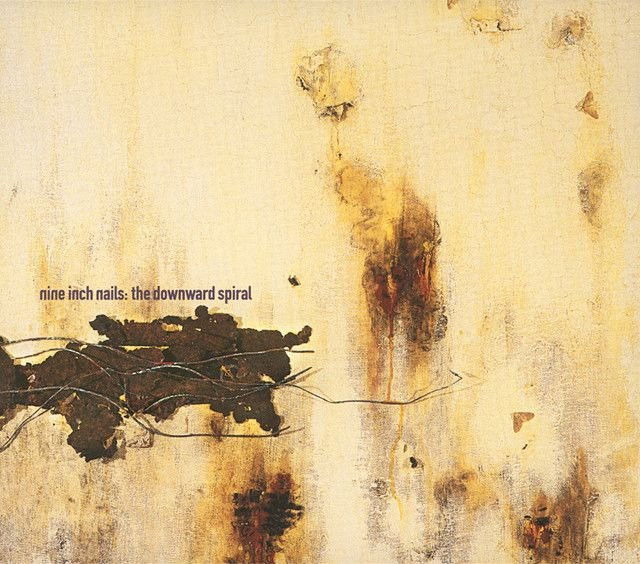
Hurt by Nine Inch Nails
The meaning of Hurt Nine Inch Nails starts with a person trying to feel anything at all. As the closing track on The Downward Spiral, written and produced by Trent Reznor, the song turns private pain into a final confession. Factually, it appeared on the 1994 album and was later released to radio as a promotional single in 1995. It also earned a Grammy nomination for Best Rock Song, helping confirm its status as one of the band’s defining works.
"Hurt" - Nine Inch Nails
To see if I still feel
I focus on the pain
Loading lyrics...
Unable to load lyrics
We're unable to display the lyrics at this time. Please try again later.
A portrait of pain, not just shock
At first glance, the song can seem built around shock value. But its deeper power comes from honesty. The opening idea describes self-inflicted pain as proof of life, and the short phrase I hurt myself today
is less about spectacle than about numbness. The speaker seems so emotionally cut off that physical sensation becomes the only clear signal left.
That is why another brief line, the only thing that's real
, matters so much. It frames the song as a crisis of feeling. Interpretation: the narrator is not celebrating suffering. They are admitting that pain has become the last thing they trust.
Watch the official Hurt
music video
The downward spiral in one final scene
Because The Downward Spiral is a concept album, “Hurt” lands with extra weight. According to widely cited album context, it closes the story after a long descent through obsession, violence, and self-erasure. Even if a listener ignores the album narrative, the track still works as a stand-alone reckoning.
What the speaker seems to realize
The emotional turn arrives in the self-questioning lines around What have I become
. That phrase sounds simple, but it carries the whole song. The speaker is no longer only describing damage. They are judging the person they have turned into.
Then comes one of the song’s most famous images, my empire of dirt
. In plain terms, the speaker looks at everything they own, control, or pretend to be proud of and sees decay. The image reduces status to dust and shame.
If I could start again
A million miles away
Those final lines introduce distance, regret, and a tiny opening toward change. The song does not become hopeful in a clean or easy way. Still, it imagines another version of the self that might have been protected.
Addiction, isolation, and self-loathing
Many critics and listeners connect “Hurt” to addiction, especially because the lyrics mention a needle and a familiar sting. That reading is supported by the imagery and by the album’s larger themes. At the same time, the song is broader than one literal drug narrative.
Interpretation: it can also describe depression, compulsive self-harm, or any cycle where a person keeps repeating what harms them because they no longer believe healing is possible. The line about everyone going away in the end widens the song from bodily pain to social loss. The speaker feels abandoned, but also responsible for that abandonment.
Why the sound hits so hard
Part of the meaning of Hurt Nine Inch Nails comes from its arrangement. Reznor’s recording begins with a spare, fragile foundation built around soft keyboard tones and an exposed vocal. That near-silence makes the song feel like a diary entry spoken into the dark.
As it moves forward, the production thickens. Noise, distortion, and harsh texture push in around the voice. Chris Vrenna’s drums and Reznor’s layered instrumentation help create a final swell that sounds less like triumph than collapse. The contrast is the point: the music starts intimate, then grows into a storm the speaker cannot control.
This is one reason the song remains so affecting. It does not just tell listeners about inner ruin. It sonically stages it.
The artist context behind the confession
Reznor later described writing from a bleak, isolated place and as a way of staying sane, a remark often quoted in coverage of the song and Johnny Cash’s later cover. That context matters because it supports a careful factual claim: the song came out of real emotional distress, even if listeners should avoid reducing it to autobiography alone.
The original Nine Inch Nails version also built a strong legacy before Cash recorded it. It charted on alternative radio, became a standout in live shows, and has been ranked by outlets like Billboard and Kerrang! among the group’s best songs. Its live visual presentation in the mid-1990s, with projections of war, decay, and catastrophe, reinforced the song’s themes of damage and mortality.
Why the ending stays with listeners
The final power of “Hurt” is that it refuses easy rescue. It offers remorse without pretending remorse fixes everything. The speaker sees the wreckage clearly, maybe for the first time, and that clarity is both brutal and human.
For many listeners, that is the true meaning of Hurt Nine Inch Nails: a song about someone standing in the ruins of their own life, still able to name what they lost, and barely able to imagine a different future. It hurts because it is honest.
Disclaimer: This interpretation separates widely reported facts about the song from critical reading. Like many great songs, “Hurt” remains open to more than one meaning.








