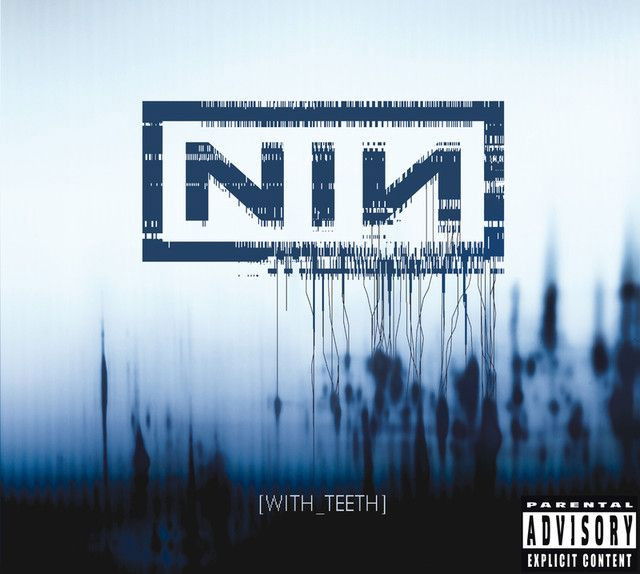
Right Where It Belongs by Nine Inch Nails
Why This Song Still Feels So Unsettling
The meaning of Right Where It Belongs Nine Inch Nails centers on doubt. The song asks whether the world people trust is real, stable, or even knowable. Instead of giving answers, it keeps opening doors: maybe safety is fake, maybe identity is shaky, and maybe the systems people build to feel secure are only stories they tell themselves.
"Right Where It Belongs" - Nine Inch Nails
Are you sure what side you're on?
Better not look him too closely in the eye
Loading lyrics...
Unable to load lyrics
We're unable to display the lyrics at this time. Please try again later.
Released on With Teeth in 2005, the song arrived during a period when Trent Reznor was moving away from the dense rage of earlier Nine Inch Nails records and toward something more exposed and reflective. That matters here. The song does not attack from the outside. It quietly unsettles from within.
Watch the official Right Where It Belongs
music video
The Core Idea: Comfort Can Be Its Own Trap
At the center of the song is a challenge to ordinary life. The opening image of an animal in a cage suggests a controlled world that looks safe but may actually be cruel or limiting. The lyric phrase everything where it belongs
sounds calm at first, but the song uses it with deep irony.
What looks organized may be emotionally empty. The speaker points to a carefully arranged life and then contrasts it with inner hollowness. In simple terms, the song says that people can build routines, roles, and beliefs that appear secure while feeling spiritually numb inside.
Interpretation: This is not just about one person having a bad day. It is about modern life itself: work, identity, belief, and social order can all become cages if people stop asking what is true.
Mirrors, Glass, and the Fear of Looking Closely
One of the song's smartest moves is how it uses visual images. The listener hears about cages, glass, reflections, and cracks. These are not random details. They all point to the same theme: perception can deceive.
The phrase what side of the glass
raises a disturbing question. Is the observer in control, or are they trapped too? That flips the usual idea of watcher and watched. The person who believes they are safe may be as confined as the creature they study.
Later, the song turns to self-image through the idea of reflection. It asks whether the face people see is really what they want it to be. Then it goes further with look right through the cracks
, suggesting that truth only appears when the surface breaks.
What if everything around youisn't quite as it seems?What if all the world you think you knowis an elaborate dream?
That is the emotional center of the track. It does not describe a simple lie. It imagines reality itself as unstable.
A Song About Reality, or About the Mind?
There are two strong ways to read this song, and both fit the text.
Interpretation 1: A philosophical crisis
The most direct reading is existential. The song sounds like a person suddenly questioning everything they once accepted: society, religion, memory, identity, and reality. When the lyric suggests an elaborate dream
, it echoes classic philosophical doubts about whether human beings can ever fully trust what they see.
Interpretation 2: A private mental spiral
It can also be heard as an internal breakdown. The song asks whether the world is real, but that may reflect a mind in distress. The line about being unable to find the woods while hiding in the trees points to confusion, overthinking, and loss of perspective. In that reading, the song captures dissociation or depression without naming either directly.
Neither reading cancels the other out. In fact, the song is powerful because personal crisis and philosophical doubt often feel the same from the inside.
How the Sound Carries the Message
The production is a huge part of the song's meaning. Unlike many classic Nine Inch Nails tracks, this one is sparse, slow, and almost fragile. Reznor's vocal stays restrained, which makes the questions feel intimate rather than theatrical.
The arrangement leans on soft keys, minimal rhythm, and a haunted, processed texture. According to album credits for With Teeth, Reznor wrote and produced the album, shaping a sound that often balances human vulnerability with electronic unease. In this track, that balance is especially important. The music feels close and distant at once, as if the listener is hearing a confession through fogged glass.
The result is suspense without explosion. The song never needs to scream because its quietness does the work. Every pause leaves room for uncertainty.
Where It Fits in Trent Reznor's Career
In the broader Nine Inch Nails catalog, this song stands out for its gentleness and clarity. Earlier work often expressed pain through anger, violence, or self-destruction. Here, the fear is calmer and maybe more mature. Reznor is less interested in shock than in the terrifying possibility that daily life might rest on illusion.
That makes the song one of the most accessible entries in the catalog, but not one of the simplest. Its language is plain. Its ideas are not.
The Lasting Meaning of "Right Where It Belongs"
The meaning of Right Where It Belongs Nine Inch Nails lasts because it speaks to a common fear: that people may be living inside systems, beliefs, and habits they never truly chose. The song does not argue that reality is fake in a literal sense. It asks listeners to test what they call real.
Interpretation: The title phrase works as both comfort and warning. Things may be in place, but that does not mean they are healthy, honest, or free.
In the end, the song leaves listeners with a hard but useful question: if the cracks opened, would they want to see what is behind them?
Disclaimer: This interpretation is based on the lyrics, recorded performance, and publicly available release context. Like many Nine Inch Nails songs, it remains open to more than one reading.









