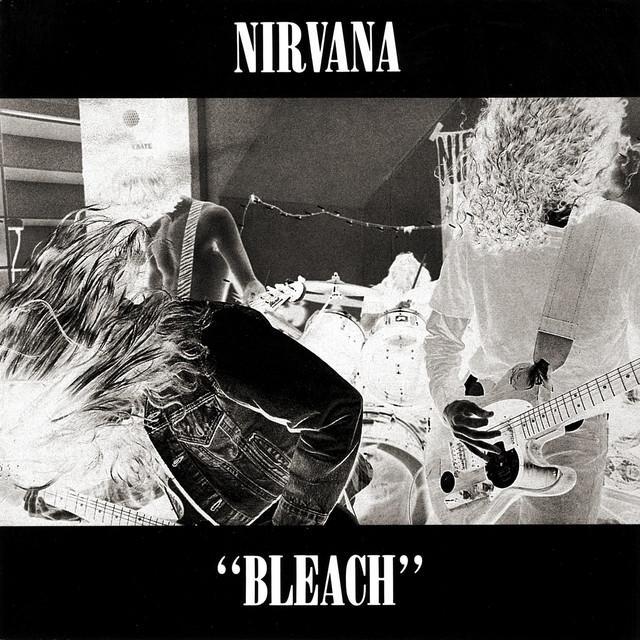
Negative Creep by Nirvana
Why This Early Nirvana Song Still Hits Hard
The meaning of Negative Creep Nirvana starts with a blunt kind of self-portrait. Released on Bleach in 1989, the song sounds like pure aggression, but its center is more personal than that. Kurt Cobain wrote it, and later comments linked to the song point to a simple idea: he saw himself as a deeply negative person.
"Negative Creep" - Nirvana
This is out of our reach and it's grown
This is getting to be, this is getting to be
Loading lyrics...
Unable to load lyrics
We're unable to display the lyrics at this time. Please try again later.
That matters because the track does not present anger as cool or heroic. Instead, it turns self-disgust into a noisy chant. The speaker keeps naming himself with negative creep
, as if repeating the label makes it feel both true and unbearable.
Watch the official Negative Creep
music video
The Core Meaning Beneath the Noise
On the surface, the song is about alienation, intoxication, and ugly self-image. In a deeper sense, it is about someone trapping themselves inside a bad identity. The repeated lines create a feeling of mental looping, where one harsh thought keeps returning.
Cobain’s preserved quote, noted by Songfacts, was brief: he always saw
himself as negative. That does not explain every lyric, but it gives the song a strong anchor. Rather than attacking someone else, the narrator seems to be attacking himself first.
This is why the song feels more unsettling than a standard punk rant. Its energy is outward, but its target is inward.
How the Lyrics Build a Portrait of Collapse
The opening idea suggests something has grown beyond control. When the song says out of our reach
, it points to distance and powerlessness. Whatever the problem is, they cannot fix it or even fully touch it anymore.
Then another key word appears: drone
. In plain terms, that suggests monotony, numbness, or a deadened routine. The world is not just bad; it is becoming repetitive and dull in a way that crushes feeling.
That sets up the chorus-like self-description. The speaker admits being stoned
, which can be heard literally as intoxication, but it also adds to the song’s foggy, detached mood. The result is a person who feels stuck, chemically dulled, and defined by negativity.
The Most Difficult Line in the Song
The repeated phrase about daddy's little girl
is the song’s most debated section. Factually, there is no single confirmed explanation from Cobain that settles it. Because of that, the safest reading is to treat it as ambiguous.
Interpretation: the line may point to lost innocence. The phrase takes a childish label and then denies it, suggesting change that feels disturbing, sexualized, or forced. It may be about growing up in a warped way, or about how innocence gets rewritten by adult desire and control.
Another possibility comes from the Seattle scene context. Some writers and musicians around Nirvana described the song as partly aimed at a specific creepy man in Cobain’s orbit. If that story is true, the lyric could be mocking predatory behavior rather than narrating it. Still, that origin story remains secondary to the better-supported self-portrait reading.
I'm a negative creep
and I'm stoned
Those two short lines sum up the song’s emotional trap: self-hatred mixed with numbness.
Sound as Meaning: Why It Feels So Claustrophobic
Part of the meaning of Negative Creep Nirvana comes from its sound as much as its words. The song was recorded for Bleach at Reciprocal Recording in Seattle in late 1988, produced by Jack Endino. Endino recalled that Nirvana often cut instrument tracks in one or two takes, which helps explain the song’s raw force.
The riff is thick, repetitive, and heavy, drawing from punk speed and metal weight. That repetition is important. It mirrors the lyric pattern, making the whole track feel like an obsessive thought circling in place.
Cobain’s vocal is even more revealing. He does not sing with distance; he sounds like he is shredding his throat to get the feeling out. Critics have often highlighted those frantic screams because they turn self-description into near self-destruction. Even the studio fade-out is unusual for Bleach: the voice keeps hanging there instead of ending cleanly, as if the mindset does not resolve.
Where the Song Fits in Nirvana’s Story
This was the seventh track on Nirvana’s debut album, released June 15, 1989, through Sub Pop. Before Nevermind made the band global stars, songs like this placed them squarely inside the early Seattle grunge scene: dirty, aggressive, sarcastic, and emotionally exposed.
That is why some listeners call it one of the most purely grunge songs Nirvana ever made. It has the sludgy guitar tone, the punk attack, and the sense that personal damage is being pushed through amplifiers instead of polished away.
There is also a small piece of controversy around the lyric echo of Mudhoney’s “Sweet Young Thing Ain’t Sweet No More.” Some scene observers heard it as too close. Reports later suggested Cobain called it subconscious theft. Whether listeners hear homage, borrowing, or accident, the debate fits the messy, interconnected Seattle scene of the time.
Final Take on the Song’s Meaning
The meaning of Negative Creep Nirvana is not complicated in plot, but it is intense in feeling. It presents a speaker who sees himself as toxic, trapped, and emotionally dulled, then blasts that view through a crushing grunge arrangement.
Interpretation: the song works because it turns self-loathing into theater without cleaning it up. They hear someone confessing, mocking, and punishing himself at the same time.
That mix of honesty and ugliness is why the song still lands. It is not meant to comfort. It is meant to make listeners sit inside a bad mental state for nearly three minutes and feel how loud it is.
Disclaimer: This interpretation is based on documented context, available quotes, and the recording itself. Like many Nirvana songs, some lines remain open to multiple readings.









