How "Teen Spirit" Turned Confusion Into an Anthem
The meaning of Smells Like Teen Spirit Nirvana is not a neat story with one message. It is a song about boredom, irony, social performance, and the strange energy of youth culture. It sounds like a rallying cry, but much of its power comes from how unsure and sarcastic it feels.
"Smells Like Teen Spirit" - Nirvana
It's fun to lose and to pretend
She's over-bored and self assured
Loading lyrics...
Unable to load lyrics
We're unable to display the lyrics at this time. Please try again later.
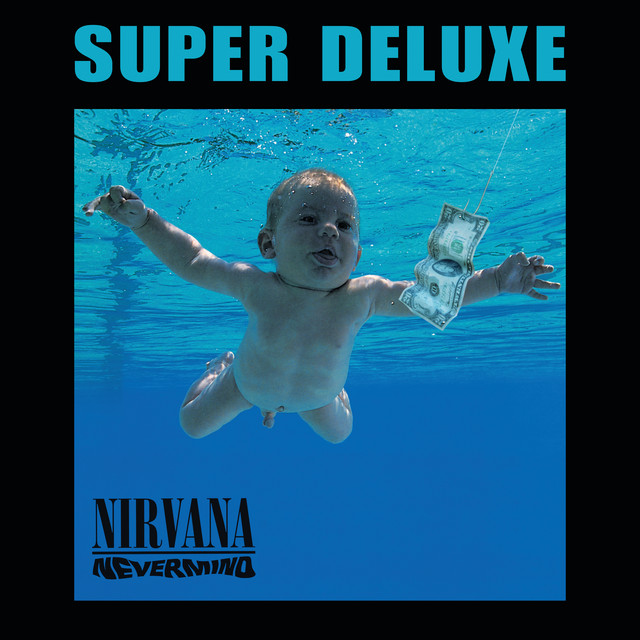
Released in 1991 as the lead single from Nevermind, the track helped push Nirvana from underground fame into the center of popular music. According to the band's Nevermind album page, it became one of the defining songs of the era. That fame matters, because the song often gets treated like a simple “teen anthem” when it is more conflicted than that.
The Core Idea Behind the Noise
At its heart, the song captures a mood: feeling restless, detached, and half-amused by everything around them. The speaker moves through scenes of social life without sounding inspired by them. Instead, they seem caught between wanting connection and mocking the whole idea.
That is why lines like Here we are now, entertain us
hit so hard. The phrase sounds like a demand, but also a joke. It suggests a crowd that is bored, passive, and hungry for stimulation. Rather than celebrating youth culture, the song often exposes its emptiness.
Interpretation: many listeners hear the track as a portrait of kids who are overloaded with images, trends, and attitude, yet still feel numb. The song does not offer a fix. It just throws that feeling into the room at full volume.

Watch the official Smells Like Teen Spirit
music video
Where the Title Came From
The title has its own famous backstory. Kathleen Hanna of Bikini Kill reportedly wrote “Kurt smells like Teen Spirit” on a wall, referring to a deodorant brand, not a grand statement about a generation. Cobain initially took it as something symbolic and rebellious. In a later Rolling Stone interview, he spoke about writing in a loose, impressionistic way rather than spelling everything out.
That origin fits the song well. Even the title is a mix of misunderstanding, humor, and accidental mythmaking. Nirvana ended up with a phrase that sounded huge, while its source was oddly ordinary.
Verse Fragments, Identity, and Irony
The verses are packed with broken images instead of a clean plot. The song opens with action and attitude, then undercuts both. Soon after, the speaker sounds self-aware and almost embarrassed. When they say I feel stupid and contagious
, they do not sound heroic. They sound trapped in a social mood that spreads from person to person.
Another key phrase is It’s fun to lose
. In plain terms, that idea points to a generation that treats failure, apathy, and detachment as style. That does not mean the song praises defeat. It may be mocking the way coolness can grow out of acting like nothing matters.
The song also throws out odd word clusters, including a mosquito, my libido
. These fragments feel impulsive and unstable. They pull together body, desire, irritation, and nonsense. Interpretation: Cobain uses collage-like language to reflect a mind flooded with sensations rather than fixed ideas.
Why the Chorus Feels So Big
The chorus is simple, repetitive, and impossible to ignore. That is part of the point. It takes vague frustration and turns it into a chant. The words are easy to shout, but their meaning is not fully stable.
With the lights out, it's less dangerous
Here we are now, entertain us
In context, those lines can sound like party talk, but they also suggest hiding, lowering awareness, and giving in to the crowd. Darkness makes things feel safer because nobody has to fully see or define what is happening.
Interpretation: the chorus turns alienation into performance. Everyone joins in, even while the song questions why they want to.
The Sound Explains the Meaning
A big part of the meaning of Smells Like Teen Spirit Nirvana comes from its production and arrangement. Produced by Butch Vig, the song uses the famous loud-quiet-loud structure: restrained verses, explosive choruses, and a huge guitar sound. That contrast mirrors the lyrics. The verses feel bottled up; the chorus erupts like pressure finally breaking.
Dave Grohl's drums are especially important. They do not just keep time. They make the song feel physical, almost unavoidable. Krist Novoselic's bass gives the track a thick, grounded push, while Cobain's guitar moves from scratchy tension to full distortion. Cobain's voice also matters: he shifts from muttered unease to a ragged yell, making confusion sound communal.
This is one reason the song crossed over so widely. People did not need to decode every line to feel what it was doing. The music carried the frustration, sarcasm, and release.
A Song About a Generation — and Against Labels
The media quickly framed Nirvana as the voice of Generation X. There is some truth in that, since the song captured youth disaffection better than many cleaner pop hits of the time. But it is also misleading. Cobain often resisted being turned into a spokesperson.
So is the song an anthem? Yes, but in a twisted way. It became an anthem for people who distrusted anthems. It gave shape to a shared mood without pretending to solve it.
That tension explains why the final phrase Oh well, whatever, never mind
feels so lasting. It sounds dismissive, but not peaceful. It is the shrug of someone who is tired of making sense in a world that keeps turning everything into spectacle.
Why It Still Connects
More than thirty years later, the song still speaks to listeners because boredom, irony, and pressure to perform have not gone away. If anything, they have grown in the age of nonstop media. The song remains powerful because it does not preach. It lets contradiction stay contradiction.
For many fans, that is the real meaning of Smells Like Teen Spirit Nirvana: youth as a mix of excitement, disgust, humor, self-consciousness, and noise. It is messy on purpose.
Final Take
Nirvana's classic is less a message than a mood made unforgettable. It turns confusion into sound, then turns that sound into a cultural landmark. Interpretation: its genius lies in making alienation feel shared without pretending it is solved.
Disclaimer: Song meaning can be subjective. This article separates documented context from interpretation, and other listeners may hear the song differently.