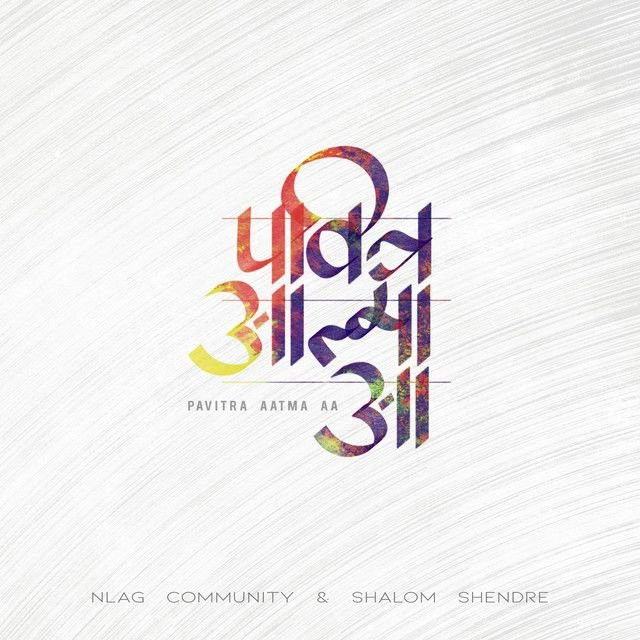
Why 'Pavitra Aatma Aa' Feels Like a Prayer
The meaning of Pavitra Aatma Aa NLAG Community, Shalom Shendre is clear from its first movement: this is a worship song built on surrender, humility, and invitation. Rather than telling a story with plot twists, it creates a spiritual posture. The speaker offers their whole self to God, then asks the Holy Spirit to come with power, love, strength, and purifying fire.
"Pavitra Aatma Aa" - NLAG Community, Shalom Shendre
Yeh aatma aur yeh jeevan
Haathoan ko uthake main
Loading lyrics...
Unable to load lyrics
We're unable to display the lyrics at this time. Please try again later.
That simplicity is the song’s strength. It is not trying to impress with complicated poetry. It is trying to lead people into prayer.
A Song of Surrender Before It Is a Song of Request
The opening lines set the emotional key. Before the singer asks for anything, they first offer themselves. The idea is summed up in the phrase main samarpan
, which points to full surrender. That matters because the song presents worship as giving before receiving.
It then adds body language to that inner surrender. Phrases like haathoan ko uthake
and ghutno pe aa raha hoon
show raised hands and kneeling. In plain terms, the song says that devotion is not only inward. It can be expressed through posture, reverence, and visible humility.
This is why the early section feels intimate. Even if sung by a congregation, the words begin as a personal offering of spirit and life. Only after that personal yielding does the prayer widen into a collective cry.

Watch the official Pavitra Aatma Aa
music video
The Central Cry: Come, Holy Spirit
At the center of the song is the repeated call Pavitra Aatma
. In English, that means “Holy Spirit,” and the repeated call to come turns the chorus into a direct invitation. The song does not describe the Spirit from a distance. It addresses the Spirit personally and urgently.
Interpretation: This repetition creates expectancy. In many worship settings, a repeated line is not filler. It is a form of spiritual focus. By saying the same appeal again and again, the singers move from explanation into encounter.
The request also becomes more specific as the song goes on. It asks God to come in power and to fill the worshippers with divine love, strength, and fire. These are not random images. Together, they form a pattern:
- love suggests comfort and grace
- strength suggests endurance and empowerment
- fire suggests cleansing, passion, and renewal
That progression gives the song emotional depth. It is asking not just for a feeling, but for transformation.
How the Lyrics Move From “I” to “Us”
One of the most meaningful details is the shift in voice. The beginning is personal: one person bows, kneels, and offers their life. But the chorus moves toward the group through the repeated idea humein bharde
, meaning “fill us.”
That small change is important. It turns private devotion into communal worship. The song is not only about one believer’s spiritual experience. It becomes a church prayer, a shared request for God’s presence over everyone gathered.
For U.S. listeners who may be new to Hindi worship music, this collective language helps explain why the song feels so congregational. It is designed less as a solo confession and more as a unified cry from a worshipping community.
The Images That Carry the Meaning
The lyrics use a few simple but strong worship images. Bowing the head, lifting hands, and kneeling all point to reverence. These are physical signs of surrender.
Then the song turns to spiritual filling. The phrase apni agni se
introduces fire as a symbol. In Christian worship language, fire often points to purification, revival, zeal, or the active presence of God. Love and strength balance that image so the song does not sound harsh or only intense. Instead, it asks for a full experience of divine nearness: tender, empowering, and refining.
Because the imagery is familiar to Pentecostal and charismatic worship traditions, the song likely resonates strongly in congregational settings shaped by those forms of prayer. Interpretation: Even without detailed metaphor, the song works because each image is spiritually legible and emotionally direct.
Why the Music Likely Matters as Much as the Words
While detailed production credits are not provided here, the structure of the lyric strongly suggests a modern worship arrangement. Repeated invocation, short prayer lines, and rising intensity are all common features in contemporary church music.
That usually means the instrumentation serves the lyric by building atmosphere rather than distracting from it. A soft opening, sustained chords, gradual layering, and an emotional vocal lead would fit this kind of song well. If performed that way, the music would reinforce the movement from surrender to spiritual urgency.
Interpretation: The best reading of the song is not as a private poem set to melody, but as a live worship moment. Its repetition, direct address, and communal language all point in that direction.
What Shalom Shendre’s Writing Achieves
Based on the provided context, Shalom Shendre wrote the song. The writing stands out for being accessible. They use everyday devotional language instead of abstract theology, which makes the message easy to sing and easy to feel.
That matters in worship music. A song like this needs to be memorable, emotionally honest, and open enough for a whole room to enter. “Pavitra Aatma Aa” succeeds because it does not overcomplicate its purpose. It invites worshippers to surrender first and ask for God’s presence second.
The Lasting Meaning of the Song
The meaning of Pavitra Aatma Aa NLAG Community, Shalom Shendre is ultimately about making room for the Holy Spirit through humility, prayer, and shared longing. Its words move from bowed-head surrender to a communal plea for love, strength, and holy fire.
That is why the song feels powerful even with plain language. It offers a spiritual sequence many believers recognize: submit, call, receive, and be changed.
Disclaimer: This interpretation is based on the provided lyrics and worship context. As with all devotional music, listeners may connect with the song in personal and varied ways.








