Why "Shotta Flow" Hit So Hard
The Core Meaning Behind the Chaos
The meaning of Shotta Flow NLE Choppa starts with raw self-assertion. The song is built as a warning, a flex, and a breakout statement all at once. They present themselves as untouchable, fearless, and ready for conflict, using violent street imagery to create a larger-than-life persona.
"Shotta Flow" - NLE Choppa
NLE, you heard me
Baby Mexico Choppa man, top shotta
Loading lyrics...
Unable to load lyrics
We're unable to display the lyrics at this time. Please try again later.
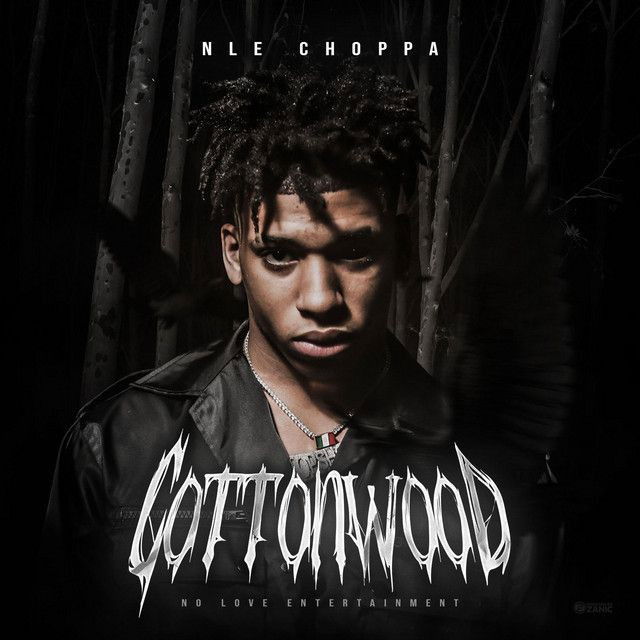
Factually, “Shotta Flow” was released on January 17, 2019, as NLE Choppa’s debut single from the Cottonwood EP, and it became their first major hit, reaching the Billboard Hot 100 and helping launch a series of sequels. Those details are widely documented in chart and release summaries, including Simple English Wikipedia’s overview of the song. That success matters because the track sounds like someone announcing their arrival and daring anyone to disagree.
Interpretation: More than anything, the song is about power through performance. They do not tell a deep, linear story. Instead, they stack threats, jokes, taunts, and boasts until the listener gets one clear message: this is an artist trying to dominate attention.

Watch the official Shotta Flow
music video
A Voice Built on Intimidation
From the opening bars, they lean into an aggressive identity. When they say I am a menace
, the line works like a mission statement. It is not subtle, and it is not meant to be. The point is to define the speaker before anyone else can.
That same strategy appears in lines about being impossible to control, quick to retaliate, and surrounded by a crew. The repeated idea is that challengers are fake while they are the real threat. Even the humor has an edge. Comparisons to cartoons, sports, and food make the verses memorable, but the jokes never soften the mood. They make the threats catchier.
This is one reason the song spread so fast online in 2019. The writing is blunt enough to understand on first listen, but packed with punchlines that feel built for replay.
How the Lyrics Connect to the Themes
Bragging as Survival Language
A lot of “Shotta Flow” is standard trap braggadocio: money, weapons, drugs, reputation, and sexual conquest. But the song does not present those topics calmly. It pushes them to extremes. A phrase like Who want the smoke?
turns conflict into a challenge, almost like public sport.
That matters because the song treats respect as something that must be defended at all times. In this world, weakness is dangerous. If someone tests them, the response must be immediate and dramatic.
You say you a killer
lil' nigga stop it
In that brief moment, they dismiss a rival as all talk. The larger pattern across the song is simple: they keep separating real power from fake performance, while also using performance to prove their own power.
Energy Over Reflection
There is one small crack in the armor. Near the end, they mention drug use with Percs killin' me slowly
. It goes by quickly, and the song does not pause to examine it. Still, it adds a hint of self-destruction beneath the swagger.
Interpretation: That line may suggest that even in a song focused on dominance, danger is not only outside. Some of it is internal. The world they describe harms enemies, but it may also harm them.
The Beat Is Part of the Meaning
“Shotta Flow” was produced by Midas800, and the production is a huge part of why the song feels so explosive. It uses a fast trap structure, hard drums, sharp hi-hats, and a dark, stripped-down melody. There is not much softness anywhere in the mix.
That minimalism helps the voice hit harder. Because the instrumental leaves space, their flow sounds even more jumpy and aggressive. They bark, punch, and snap through the beat instead of gliding over it. The result feels less like a conversation and more like a series of verbal attacks.
This is key to the meaning of Shotta Flow NLE Choppa. The song’s message is not only in the words. It is in the way the beat turns every bar into confrontation.
Why the Delivery Made NLE Choppa Stand Out
At the time of release, NLE Choppa was still a teenager, which made the force of the performance even more striking. They sounded young, but not uncertain. Their flow switches quickly between tight rhythm and loose ad-libs, giving the track a sense of motion that never settles.
Listeners also responded to how animated the performance was. A line like Get rich or die tryin'
is a familiar rap phrase, but they deliver it with such speed and confidence that it feels renewed rather than recycled. The charisma is a big reason the song broke through beyond local buzz.
The video helped too. Reports and summaries note that it shows them outside with friends, playing up the group identity and neighborhood energy tied to the track’s threats and boasts. That visual matches the song’s central idea: power comes from presence, numbers, and fearlessness.
A Breakout Anthem, Not a Confession
It is important to separate literal fact from artistic pose. “Shotta Flow” is not best understood as a diary entry. It is a rap performance built around escalation. In that sense, it belongs to a long tradition of songs where the rapper creates a larger-than-life version of themselves.
Interpretation: The best reading is that the song is about image as armor. They sound invincible because that is the role the track demands. Whether every claim is factual matters less than how convincingly they sell the mood.
Final Take on "Shotta Flow"
The meaning of Shotta Flow NLE Choppa is not hidden. It is about intimidation, status, and the thrill of total confidence. What made it memorable was how clearly every part of the song served that purpose: the quotable bars, the relentless beat, the animated delivery, and the sense that a new voice had arrived with no interest in easing in.
That is also why the song still stands as a breakout moment. It captured an artist turning raw energy into identity.
Disclaimer: This interpretation focuses on themes, performance, and context. Song meanings can vary by listener, and some lines may function more as rap persona than literal autobiography.









