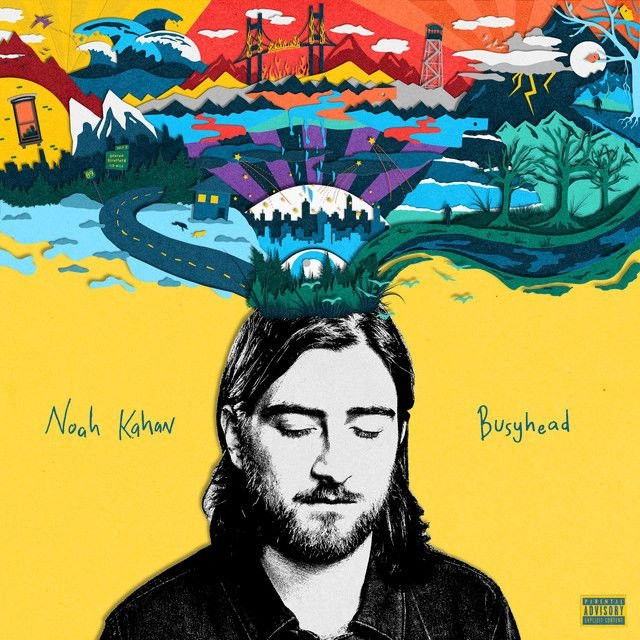
Tidal by Noah Kahan
Why This Song Feels Like Open Water
The meaning of Tidal Noah Kahan centers on emotional drift. The song describes a person who feels pulled away from safety, from home, and even from their own sense of self. Instead of telling that story in direct clinical terms, Noah Kahan uses water, distance, and weather to show what it feels like when mental and emotional balance keeps slipping away.
"Tidal" - Noah Kahan
Happiness tidal
It comes and it goes
Loading lyrics...
Unable to load lyrics
We're unable to display the lyrics at this time. Please try again later.
That choice makes the song easy to feel, even before every line is fully explained. Happiness is described as happiness tidal
, which frames joy as temporary and unstable. It rises, falls, and leaves the speaker trying to stay afloat.

Watch the official Tidal
music video
The Core Story Beneath the Waves
At its heart, the song is about someone learning to live with feeling lost. They are not simply sad for a moment. They seem stuck in a pattern where numbness feels easier than hope. When the lyric suggests they sank into the water
, it presents that emotional collapse as something physical.
The song then pushes that image further. They are not just in the water; they are moving farther from shore, farther from anything solid. The line about drifting away from the coast turns inner pain into a map. Safety exists, but it feels out of reach.
Interpretation: This can be read as a portrait of depression or burnout. The lyrics never diagnose the feeling, but they do show isolation, exhaustion, and the sense that rescue may no longer be possible.
A Voice Split Between Survival and Surrender
One of the song’s sharpest ideas is that the speaker sounds both determined and defeated. In the chorus, they imagine a strange solution: build a boat and live alone
. On one level, that sounds resourceful. If the world feels unlivable, they will make a way to survive.
But the line is also sad because it accepts separation as permanent. Instead of trying to return to land, they prepare to live in the distance. That gives the chorus its emotional twist. It is a survival anthem that barely hides despair.
The phrase the lost one
matters for the same reason. They are not only lost; they begin to identify with being lost. The pain has gone from a passing state to part of who they think they are.
How the Verses Build That Isolation
The verses add two important layers: distance and disconnection. The song mentions being someone else’s air
, which suggests life no longer feels fully their own. They may be physically present, but emotionally they feel detached, as if they are living in the wrong place or the wrong life.
That image works with the reference to being far from home. In Noah Kahan’s writing, home often means more than a location. It can mean comfort, memory, identity, or a version of the self that feels less broken. Here, being far away intensifies the speaker’s fear.
The second verse deepens that idea by describing a pattern where nothing matters if they refuse to care. That is a bleak defense mechanism. If hope hurts, numbness can feel safer.
And it wears me out
all the demons underneath the tide
This is the song’s clearest statement of exhaustion. The problem is not only being lost at sea. It is the constant effort of carrying invisible weight beneath the surface.
Symbols That Carry the Song’s Meaning
Kahan builds the song around a few linked symbols:
- Water: unstable emotion, depression, overwhelm
- Coastline/land: safety, peace, connection
- Boat: self-protection and isolation at once
- Tide/storm: feelings that return in cycles
- Weight/stone: the heaviness of dreams, fear, and self-doubt
These images work because they are simple and layered at the same time. A tide is natural, but it is also uncontrollable. That makes it a strong metaphor for recurring emotional lows.
How the Sound Supports the Lyrics
“Tidal” comes from Noah Kahan’s early period around his debut era, including Busyhead. That context matters because much of his early work pairs folk-pop intimacy with modern production touches. The song’s arrangement supports the lyric’s loneliness rather than competing with it.
The melody has a steady pull, almost like current. The chorus opens wider, but it does not feel triumphant. Instead, it sounds like someone trying to convince themselves they can endure. Kahan’s vocal delivery helps sell that tension. He often sings with a cracked sincerity that makes even bold lines sound vulnerable.
Factually, Kahan has spoken in interviews about writing from personal anxiety and emotional struggle, a thread noted in coverage from Rolling Stone. While that does not prove one exact meaning for every line, it supports reading “Tidal” as part of a larger body of work about mental strain, home, and survival.
A Few Strong Interpretations
Interpretation 1: The song is about depression. The drifting, numbness, and withdrawal all support that reading.
Interpretation 2: It is also about identity loss. Breathing another person’s air suggests they no longer feel fully connected to their own life.
Interpretation 3: A smaller relationship reading is possible too. The line about wishing someone well implies another person is present, but unable to save them.
What Makes “Tidal” Last
What keeps the song powerful is its honesty about survival not always looking heroic. Sometimes surviving means floating, waiting, and admitting they do not know how to get back yet. That is the emotional center of the meaning of Tidal Noah Kahan.
Rather than offering a clean recovery arc, the song stays inside uncertainty. That makes it painful, but also deeply recognizable.
Disclaimer: This interpretation is based on the lyrics, recording context, and public artist commentary. As with most songs, listeners may hear different meanings in “Tidal.”








