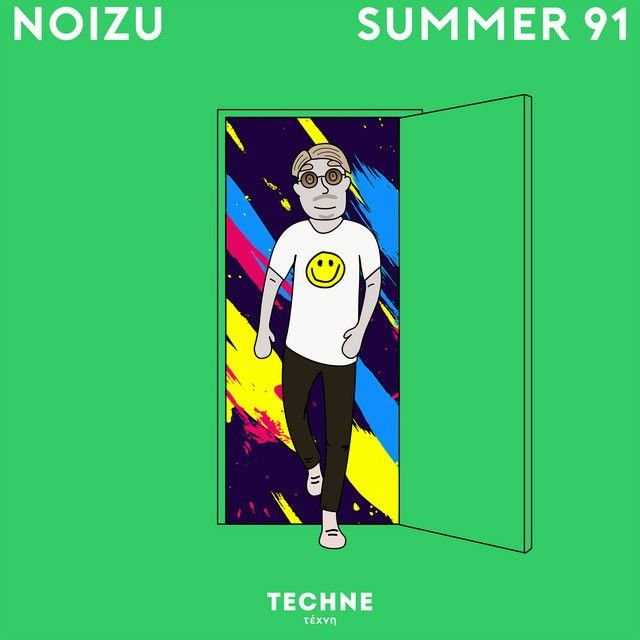
Why 'Summer 91' by Noizu Hits So Hard
The meaning of Summer 91 Noizu comes down to one powerful idea: people often miss the value of a moment until it is already gone. In this track, Noizu turns that feeling into a dance record. The song is built for clubs, but its heart is reflective.
"Summer 91" - Noizu
Until it's a memory
Yeah
Loading lyrics...
Unable to load lyrics
We're unable to display the lyrics at this time. Please try again later.
Released first in 2020 and then updated for RCA in 2021, the song arrived at a time when dance floors were quiet and many listeners were stuck at home. According to Songfacts, Noizu said they wrote it during lockdown to capture what the dance community was feeling. That context matters. The track is not just about a year in the past. It is about longing, memory, and the strange pain of realizing joy after it has passed.
A Dance Song About Memory, Not Just Partying
At its core, the song circles one thought again and again: people keep replaying the past. The repeated idea of lookin' back
is simple, but that simplicity is the point. Instead of telling a long story, the song traps the listener inside a loop of memory.
That makes the hook feel honest. The singer is not solving anything. They are admitting they cannot move on from a feeling, a season, or a scene that once felt alive.
When you don't realize you're in the momentUntil it's a memory
Those lines carry the whole song. They describe a common human habit: living through something beautiful without knowing it is special until later. In plain terms, the record says that the present is easy to waste, while the past becomes glowing and important once it is gone.

Watch the official Summer 91
music video
Why “1991” Matters in the Title
The title points listeners toward dance-music history. Songfacts notes that 1991 was a major year for house, rave, and related club culture in the UK and beyond. That does not mean the song is a history lesson. Instead, 1991 works like a symbol.
It stands for an era many fans imagine as freer, rawer, and more communal. Warehouse parties, early rave culture, and the crossover of house into mainstream life all feed the song's mood. Even for listeners who were not there, “Summer 91” sounds like a mythic golden season.
Interpretation: the year may matter less as a literal date than as a dream of lost connection. In that reading, Noizu uses 1991 as shorthand for a time when music felt physical, shared, and fully present.
The Lockdown Layer Changes the Meaning
This is where the meaning of Summer 91 Noizu becomes deeper than nostalgia. Noizu explained that the writing tried to reflect how people in dance communities felt during COVID-era shutdowns. That gives the song a second timeline.
On one level, it looks back to rave history. On another, it speaks from a modern moment when nightlife vanished overnight. The line no matter what I do
suggests helplessness. They cannot stop revisiting the past because the present feels cut off from what once gave life energy.
So the song becomes both personal and collective. It is about one mind replaying memories, but it also reflects a whole culture missing the ritual of dancing together.
How the Production Carries the Emotion
Noizu is known for bass-heavy house music, and this song uses that background well. The beat is clean, driving, and made for movement, but the vocal sample gives it an emotional center. That contrast is crucial.
Noizu told Songfacts they wanted to capture the nostalgic feel of '90s house with a modern edge. Listeners can hear that in the track's punchy drums, steady pulse, filtered textures, and looped vocal phrasing. The production keeps pushing forward while the lyrics keep turning backward.
That tension is what makes the song memorable. The body hears momentum; the mind hears reflection. It feels good to dance to, yet the repeated phrase until it's a memory
adds a bittersweet shadow.
Repetition Is the Message
Some listeners may wonder why the lyric says so little. But the repetition is not a weakness here. It mirrors obsession.
Memories often do not return as full stories. They come back as flashes, fragments, and one thought that repeats in the head. By cycling through I just can't stop
and lookin' back
, the song recreates that mental pattern.
This also fits club music tradition. House often uses repetition to build emotion, not just rhythm. A line gains force because it is heard again and again, each time landing a little differently as the beat rolls on.
Two Strong Ways to Read the Song
There are at least two convincing interpretations:
- Personal nostalgia: They are mourning a past relationship, season of youth, or happier self.
- Scene nostalgia: They are mourning dance culture itself, especially the lost closeness of clubs and raves.
Both readings work because the lyrics stay broad. The song never narrows memory into one specific event. That openness helps explain its wide appeal, including its UK chart success after the revamped 2021 release.
Why It Connects So Easily
“Summer 91” resonates because it says something familiar in a clean, memorable way. Most people know the feeling of suddenly understanding that a good time is over. The song gives that realization a beat, a hook, and a sense of shared history.
For American listeners, even without deep knowledge of UK rave culture, the emotion still lands. The song is about missing a time when life felt immediate. It captures the sadness of hindsight and the comfort of replaying better days.
In the end, the meaning of Summer 91 Noizu is not just that the past was great. It is that memory changes how people value experience. The track invites them to dance, but it also quietly warns them: today's moment may be tomorrow's ache.
Disclaimer: This interpretation combines available artist context, production details, and lyrical analysis. As with any song, meaning can remain open to individual listeners.







