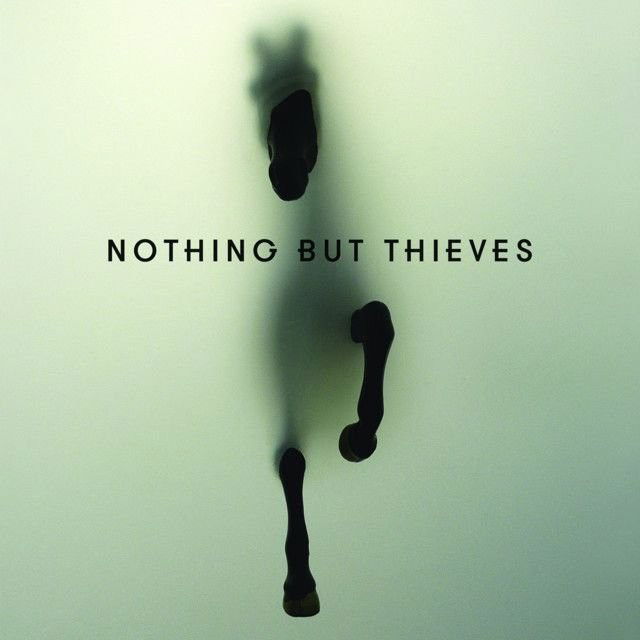
Why “Wake Up Call” Feels Urgent
The meaning of Wake Up Call Nothing but Thieves centers on a hard truth: nobody is coming to push a person into action. The song turns boredom, youthful memory, and social frustration into a warning about wasted time.
"Wake Up Call" - Nothing but Thieves
I told you where to go
You had those creepers on
Loading lyrics...
Unable to load lyrics
We're unable to display the lyrics at this time. Please try again later.
Nothing But Thieves are an English rock band led by Conor Mason, with Dominic Craik and Joe Langridge-Brown among the song’s credited writers. The writing credits supplied here also include Larry Hibbitt. Those facts matter because the track sounds like a band trying to bottle early restlessness into something sharp and immediate.
A Song About Motion That Never Quite Starts
At its core, this song looks at young people who feel alive inside but stuck where they are. The opening remembers meeting early in life, then quickly shifts into dissatisfaction with place and routine. When the narrator says the town has nothing worth knowing, they frame the setting as dead space rather than home.
That is why the chorus lands so hard. The repeated idea of wake-up call
is not really about an alarm clock. It means a shove into adulthood, purpose, or risk. The song argues that this shove may never arrive.
Interpretation: the central message is self-activation. Waiting for life to begin is itself the trap.

Watch the official Wake Up Call
music video
Youth, Friendship, and a Shared Hunger
The first verse feels personal before it becomes cultural. They begin with a memory of meeting when they were young, using small style details to sketch character and chemistry. That choice gives the song a lived-in feel. It is not abstract complaining; it starts with two people who once sparked each other.
From there, the language expands. Phrases like These hearts are wireless
suggest connection without stability. The image sounds modern, fast, and slightly detached. People can reach each other, but they may still drift.
There is also a shared craving for intensity. The line about needing another rush
points to a cycle of chasing sensation just to feel the day has meaning. The problem is not only external boredom. It is also internal dependence on stimulation.
The Chorus Turns Frustration Into a Warning
The hook is simple, but that simplicity is the point. The song repeats that sometimes people never even begin, and that whole hours can disappear unused. This makes the chorus less like advice and more like a grim observation.
Sometimes the hours are wasted
No one will give you a wake-up call
Those lines condense the whole song. Time drains away, and nobody rescues the person from passivity. By repeating the phrase, the band makes the warning feel unavoidable.
Interpretation: the chorus can be read in two ways at once:
- as a criticism of drift and complacency
- as an anxious fear that life can pass before a person notices
Both readings fit the emotional pressure of the song.
Images of Noise, Violence, and Emptiness
Several of the song’s strongest images show a culture that feels overstimulated yet hollow. When the narrator says These thoughts are violent
, it likely does not mean literal harm. Instead, it suggests mental chaos, agitation, and ideas strong enough to wreck innocence.
The mention of rock and roll being “murdered” pushes that feeling further. It sounds like a complaint against flattening energy, fake rebellion, or a scene losing its soul. The song is not just about one person’s slump. It hints at a whole environment that dulls urgency instead of feeding it.
Then comes the striking idea that something waits in empty space
. That phrase gives the song a haunted edge. Emptiness is not peaceful here. It is where boredom grows, where desire echoes, and where wasted time becomes visible.
How the Sound Supports the Meaning
Even without quoting production notes, the arrangement itself helps explain the song’s force. Nothing But Thieves often build tension through tight rhythm work, sharp guitar lines, and Mason’s elastic vocal delivery. That approach suits this song because the lyrics are about pent-up motion.
The music pushes forward while the words describe people who are stalled. That contrast creates friction. The listener feels momentum in the band even as the narrator fears fading out.
The repeated phrases Slow down, fade out
carry special weight in that setting. They sound like the future the speaker rejects. Musically, repetition turns that fear into something almost physical.
Another Way to Read “Wake Up Call”
There is also a smaller, more intimate reading. Instead of hearing the song only as a generational statement, they might hear it as a message between two people who once energized each other but now risk losing that spark.
The early details about meeting young and learning how to move through the world support that. In this reading, the “wake-up call” is emotional as much as existential. It asks whether either person can still break the other out of numbness.
Still, the chorus finally rejects dependence. No lover, friend, scene, or town can do the whole job.
Why the Song Still Connects
The meaning of Wake Up Call Nothing but Thieves lasts because it names a fear many people know well: the fear of waiting too long to become themselves. The song understands that restlessness can feel exciting, but it can also become a loop.
Its best insight is blunt. Life does not always announce itself with a dramatic turning point. Sometimes there is no sign, no perfect chance, and no outside permission. People have to move before they feel fully ready.
That is what gives “Wake Up Call” its urgency. It is not only a complaint about wasted time. It is a refusal to disappear quietly.
Disclaimer: This interpretation is based on the lyrics provided and general artist context. As with most songs, meaning can vary from listener to listener.








