Why 'Don't Look Back in Anger' Still Heals
The meaning of Don't Look Back In Anger Oasis comes down to one powerful idea: pain is real, but staying trapped in it is a choice. Oasis turned that idea into one of Britpop's biggest anthems, giving listeners a song that feels both intimate and stadium-sized.
"Don't Look Back In Anger" - Oasis
Don't you know you might find
A better place to play
Loading lyrics...
Unable to load lyrics
We're unable to display the lyrics at this time. Please try again later.
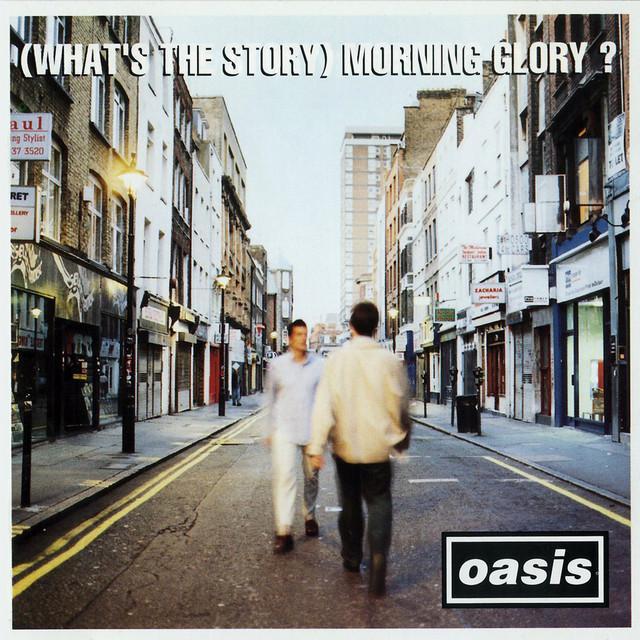
Released in 1996 on (What's the Story) Morning Glory?, the track was written by Noel Gallagher and became one of the band's signature songs. It is also notable because Noel, not Liam, sings lead on the studio version, which gives the performance a more reflective tone. Those facts are widely documented in the song's official release history and album credits.
A Chorus About Letting Go, Not Forgetting
At the heart of the song is a plea to stop feeding old wounds. When the chorus lands on don't look back in anger
, it does not sound like a command to erase the past. It sounds more like advice on how to survive it.
That distinction matters. The song never pretends disappointment did not happen. Instead, it suggests that rage can become its own prison. In that sense, the narrator is not asking for denial. They are asking for release.
Interpretation: This is why the song feels uplifting even though it carries sadness. It admits loss, then reaches for grace.

Watch the official Don't Look Back In Anger
music video
The Verses Turn Escape Into Self-Repair
The opening images create a dreamlike doorway inward. The phrase eye of your mind
points to imagination, memory, and inner life. From there, the song suggests a better emotional space may exist, even if the listener has not fully reached it yet.
Later, Noel introduces one of the song's most famous lines, start a revolution from my bed
. On the surface, it sounds witty and slightly lazy. But in context, it hints that change can begin privately. A person does not always need grand action first; sometimes they need a shift in perspective.
That makes the song surprisingly gentle. Even as it uses big words like "revolution," it keeps returning to ordinary acts: stepping outside, standing still, changing an expression. The emotional message is that healing can begin with small movements.
Who Is Sally, and Why Does She Matter?
Sally is one of the song's great mysteries. Noel Gallagher has often been open about writing intuitively, and many listeners have taken Sally as more of a symbolic figure than a defined character.
When the song says Sally can wait
, it creates emotional distance. Someone—or some part of life—must be delayed because the moment for connection has already passed. Then comes the line about a soul slipping away, which deepens the feeling of regret.
Interpretation: Sally may represent a real person, but she can also stand for opportunity, innocence, or the version of the self that could not be saved in time. The vagueness is part of the song's strength. It leaves room for listeners to place their own history inside it.
Sound, Structure, and Why the Song Feels So Big
Musically, the song helps its message land. It opens with a piano part that many listeners have compared to classic pop-rock traditions, then builds into a full-band arrangement with strong drums, bright guitars, and a soaring chorus. The result is not subtle, but it is effective.
That scale matters to the meaning of Don't Look Back In Anger Oasis. The lyrics are personal and sometimes fragile, yet the arrangement refuses to stay small. It lifts private hurt into public solidarity.
The Fireplace, Summer, and Open Air
The song's imagery also moves from inside to outside. It mentions summertime's in bloom
and a person standing by the fireplace. Those details create warmth, but they also suggest transition. One world is enclosed and emotional; the other is seasonal, open, and alive.
This movement mirrors the narrator's advice. They want the listener to leave the stuck place and step into air, light, and motion.
Stand up beside the fireplace
Take that look from off your face
That brief moment is important because it turns the song from observation into encouragement. The speaker is no longer just describing pain. They are answering it.
The Warning Hidden in the Second Verse
One of the song's most interesting lines warns, in paraphrase, against putting too much faith in idols. The phrase rock and roll band
sounds playful, but the message underneath is serious: do not hand over your life to people who may waste what you value.
That line broadens the song beyond romance or heartbreak. Suddenly it is also about disillusionment—about growing up, seeing through fantasy, and taking responsibility for one's own direction.
Interpretation: In a song built on escape imagery, this warning acts like a reality check. Dreaming can help, but blind worship cannot save anyone.
Why the Song Became More Than a Hit
Over time, the track has taken on a life bigger than its chart success. It is often sung as a communal anthem because its central message is simple, direct, and generous. People hear a song about regret, but they also hear permission to keep going.
That is why it has lasted. The writing leaves enough mystery to stay interesting, while the chorus gives everyone something clear to hold onto.
The Lasting Meaning
The meaning of Don't Look Back In Anger Oasis is not that the past stops hurting. It is that anger does not deserve the final word. The song turns disappointment into a kind of shared courage, using bright melody and open-ended images to make resilience feel singable.
That is one reason it still connects across generations. It sounds like they are singing to one person, but it feels like they are singing to everyone.
Disclaimer: Song interpretation is partly subjective. Some meanings above are informed readings rather than confirmed statements from the artist.







