Why 'Wonderwall' Still Feels So Personal
The meaning of Wonderwall Oasis has stayed fascinating for decades because the song feels both direct and hard to pin down. It sounds like a love song, but it also carries confusion, hesitation, and need. That mix is why it still connects so strongly in the United States and far beyond.
"Wonderwall" - Oasis
That they're gonna throw it back to you
By now you should've somehow
Loading lyrics...
Unable to load lyrics
We're unable to display the lyrics at this time. Please try again later.
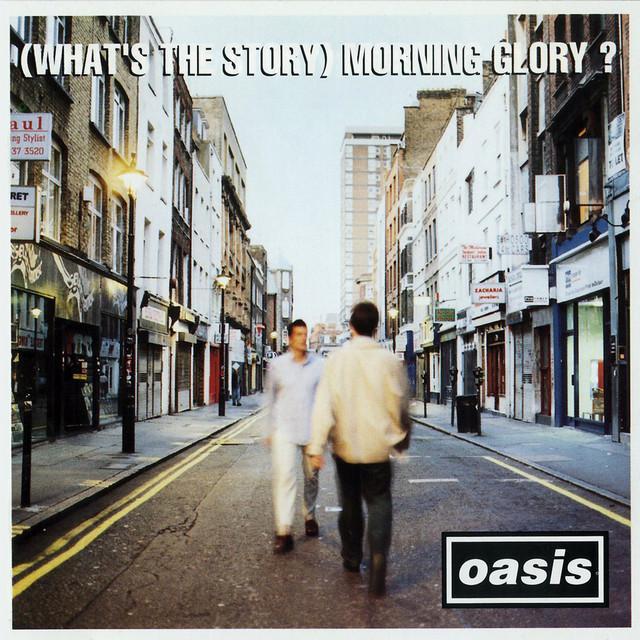
Released in 1995 on (What’s the Story) Morning Glory?, “Wonderwall” became one of Oasis’s signature songs and one of the defining singles of the Britpop era. Noel Gallagher wrote it, and the track was produced by Owen Morris and Noel Gallagher. Those facts are widely documented in major discographies and music references such as Britannica and AllMusic.
The Heart of the Song: Rescue, Distance, and Need
At its core, the song is about someone who believes another person could change their life. The speaker sounds certain about their feelings, yet unsure about how to communicate them. That tension appears when they admit there are things they want to say but cannot quite put into words.
A few short phrases capture that emotional push and pull: about you now
, I don't know how
, and you're my wonderwall
. Together, they suggest deep attachment mixed with frustration. The feeling is strong, but language falls short.
Interpretation: Many listeners hear this as a song about romantic love. That reading makes sense because the chorus frames the other person as someone who might save me
. But the word “save” does not have to mean literal rescue. It can suggest emotional grounding, comfort, or the hope that one relationship might give life direction.

Watch the official Wonderwall
music video
Who They Are Singing To
The song uses a first-person voice aimed at a “you,” which creates instant closeness. Even without naming the person, the speaker makes them sound central. The repeated focus on one person turns the song into a private confession that listeners can step into.
That is a big reason the track feels universal. Anyone who has put too much hope into one person can recognize the feeling. The song does not describe a full story with clear details. Instead, it captures a moment of emotional dependence.
Why the Uncertainty Matters
The verses are full of motion and possibility, but not much resolution. The speaker seems to believe a turning point is near, yet they are still stuck in uncertainty. Phrases like gonna be the day
hint at expectation, while the repeated inability to fully speak suggests fear or emotional distance.
This is what gives “Wonderwall” its ache. It is not simply about being in love. It is about needing someone while not fully knowing whether that hope is wise, shared, or even possible.
The Images That Carry the Meaning
One of the song’s strongest features is its simple imagery. The lines about roads we have to walk
and lights ... are blinding
turn emotion into something physical. Life becomes a journey, but not an easy one.
Interpretation: The winding roads suggest a path full of complications, detours, and effort. The blinding lights suggest guidance that is hard to trust. In other words, the way forward exists, but it is confusing. That fits the song’s larger emotional message: love or devotion can feel like direction, but it can also make people vulnerable.
These images are broad enough to invite many readings. Some hear romance. Others hear friendship, obsession, or even a young person trying to hold onto hope in a messy world.
How the Chorus Changes Everything
The chorus is why the song has lasted. It takes the uncertainty of the verses and turns it into one clear emotional statement. Even if the speaker does not know how to explain everything, they know this much: the other person matters deeply.
The title phrase is especially powerful because it is unusual. “Wonderwall” is not standard love-song language, which gives it mystery. Noel Gallagher has offered different comments about the song across the years, and that shifting context has only kept debate alive. What remains clear is that the word points to someone seen as vital, almost protective.
The Sound of Intimacy and Scale
Part of the meaning of Wonderwall Oasis comes from its arrangement, not just its words. The acoustic guitar gives the song a warm, personal feeling right away. The steady groove keeps it moving forward, while the layered production makes that private emotion feel large enough for a crowd.
Liam Gallagher’s vocal also matters. He sings with a rough sincerity that keeps the song from sounding too delicate. His voice adds urgency, as if the speaker is trying to stay composed while admitting something huge.
That balance between intimacy and anthem is classic Oasis. They often paired simple melodies with a larger-than-life attitude. In “Wonderwall,” that approach helps the song feel both bedroom-confessional and stadium-ready at once.
Why People Still Debate It
“Wonderwall” lasts because it never closes itself off to one fixed meaning. Interpretation: It can be heard as a love song, a song about emotional dependency, or even a portrait of youthful idealism. The same words support all three readings.
That openness is a strength, not a flaw. The song leaves enough room for listeners to bring their own history into it. Someone hearing heartbreak will find heartbreak. Someone hearing hope will find hope.
The Lasting Takeaway
The meaning of Wonderwall Oasis is less about solving a lyrical puzzle and more about recognizing a feeling: the belief that one person might hold the answer to confusion, loneliness, or longing. Its simple language, memorable images, and intimate sound make that feeling easy to share.
That is why “Wonderwall” remains so durable. It speaks in plain terms, but it points to emotions that are never simple.
Disclaimer: Song meanings are interpretive. Some points above are informed readings rather than confirmed statements of intent from the artist.