
Why Obongjayar's "I Wish It Was Me" Hurts
The meaning of I Wish It Was Me Obongjayar comes down to one hard truth: it is possible to deeply love someone and still ache with envy. That tension gives the song its sting. Instead of hiding ugly feelings, they let admiration and jealousy sit side by side.
"I Wish It Was Me" - Obongjayar
You look so pretty on that stage
And you don't even have to think about it
Loading lyrics...
Unable to load lyrics
We're unable to display the lyrics at this time. Please try again later.
Obongjayar, born Steven Umoh, has built a reputation for emotionally direct music that blends soul, alternative pop, and African influences, as noted by sources such as XL Recordings and BBC Music. In this song, that directness becomes almost uncomfortable in the best way. They do not attack the person they admire. They praise them. That is exactly why the confession lands so hard.
The Core Meaning Hides in Plain Sight
At the song’s center is a speaker watching someone who seems naturally radiant. Early on, that person is pictured onstage looking effortless, and the narrator is amazed by how easy they make it seem. The song never says this success is fake or undeserved. In fact, the opposite is true: the narrator believes the person truly has a gift.
That is where the pain begins. They call the person beautiful, gifted, and worthy of celebration, yet the repeated hook I wish it was me
breaks through that praise. The line is simple, but it changes everything. This is not only a tribute. It is also a confession of comparison.
Interpretation: The song is about the private shame of resenting someone they genuinely adore. Many songs choose either love or jealousy. This one refuses to separate them.
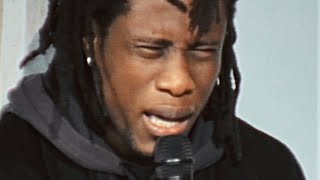
Watch the official I Wish It Was Me
music video
Admiration and Envy Share the Same Room
One of the smartest parts of the writing is how often praise comes first. The narrator says I adore you
more than once, and that repeated affection matters. They are not pretending to care. Their love is real.
But every time admiration rises, self-doubt follows. A phrase like you're so much better
shows the speaker measuring their own life against the other person’s ease and talent. They do not simply want attention. They want that same natural glow, the feeling of moving through the world without strain.
This contrast makes the song emotionally mature. Envy here is not cruel. It sounds wounded. The narrator is not asking for the other person to fail; they even hope they never lose your star
. That blessing is generous, but it also reveals the narrator’s own lack. They can see the star in someone else and feel the dark around themselves.
The Story Beneath the Lyrics
The song moves through a clear emotional arc:
- They see someone shining in public.
- They admit deep love and pride.
- They compare themselves and feel smaller.
- They confess the wish to trade places.
A key line in the middle suggests history between them: I came first
. Paraphrased, the narrator seems to say they were there earlier, yet the other person has moved ahead. That detail makes the song more than general insecurity. It hints at rivalry between peers, friends, siblings, or fellow artists.
Interpretation: This may be why the song feels so specific. It is not envy from a distance. It sounds like envy directed at someone close enough to love and close enough to compare against every day.
Grace, Prayer, and the Feeling of Being Chosen
The bridge gives the admired person an almost blessed quality. Their prayers are answered. They move just like a dancer
. In plain terms, the narrator sees them as someone whose life unfolds with rhythm, favor, and beauty.
When you pray you're answered
You walk through life just like a dancer
This is the song’s one near-mythic moment. The other person no longer seems merely talented; they seem chosen. That matters because envy becomes stronger when success looks effortless and spiritually favored. The narrator is not only jealous of achievements. They are jealous of ease.
The parade image pushes this even further. They want the other person celebrated every day. On the surface, that sounds selfless. Underneath, it sharpens the ache: if one person deserves a parade, what does that make the one left watching?
How the Sound Supports the Meaning
Even without long lyrical detail, the emotional design is easy to hear. Obongjayar often uses a vocal style that can sound intimate, raw, and slightly strained, a quality discussed in coverage from outlets like The Guardian and NME. That approach fits this song’s emotional split.
The arrangement supports the idea of admiration turning inward. Rather than sounding explosive or bitter, the song feels controlled and tender. That choice matters. A harsher production might have made the jealousy sound mean. Here, the smoother flow makes it sound like a wound the narrator is almost ashamed to reveal.
In practical terms, the repetition also acts like a thought loop. The hook keeps returning because comparison keeps returning. They cannot simply praise the person and move on. The same thought comes back again and again.
A Few Strong Readings
There are at least two convincing ways to hear the meaning of I Wish It Was Me Obongjayar:
A personal confession
It may be about loving a friend, partner, or sibling whose gifts feel impossible to match.
An artist-to-artist comparison
It may also reflect creative rivalry. The stage setting, public praise, and line about one person moving ahead all support that reading.
Both readings work because the emotional logic stays the same: closeness makes envy sharper, not weaker.
Why the Song Lingers
What makes this track memorable is its honesty. Plenty of people have felt proud of someone and jealous of them in the same breath, but few say it out loud. Obongjayar turns that hidden feeling into a gentle, bruised song instead of a bitter one.
That is why the chorus stays with listeners. It is not just about wanting another person’s success. It is about wanting their peace, their ease, and their light.
Disclaimer: This article offers interpretation based on the lyrics provided and publicly available artist context. Song meaning can remain open, and listeners may hear it differently.








