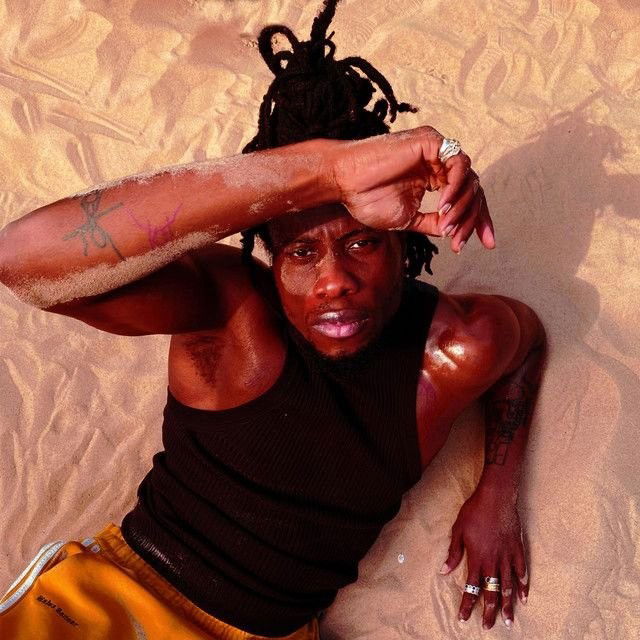
The Meaning of 'Just Cool' — Obongjayar’s Quiet Rebellion
Obongjayar’s Just Cool is a pressure-cooker plea for peace. Over a hypnotic groove, the narrator questions bad faith and refuses to carry more weight. It’s less about apathy and more about drawing a bright line between survival and burnout.
"Just Cool" - Obongjayar
Why the world is so evil
Why cant just cool
Loading lyrics...
Unable to load lyrics
We're unable to display the lyrics at this time. Please try again later.
Pressure Cooker Anthem: Why Cooling Down Matters
At its heart, the song keeps returning to one request: Just let me cool
. The line is simple, but it’s loaded. Cooling isn’t laziness; it’s self-defense. The narrator is surrounded by noise, by false promises, and by people who push too far.
This is the core meaning of Just Cool Obongjayar: a demand for room to breathe when the world won’t slow down. The track pairs that message with a beat that moves, suggesting that calm can be active—an intentional pace rather than a full stop.
Who’s Talking, and Who Gets Pushed Back
The voice is first-person and direct, talking to anyone who crowds their space—friends, scammers, institutions. Lines like Why they lie to the people
widen the view to leaders and systems. Then it snaps back to close quarters: don’t take me for a fool, don’t mistake kindness for weakness.
They’re not trying to win an argument; they’re trying to end one. The song treats distance as wisdom. The persona sets a boundary and refuses to explain it twice.
From Doorstep Chaos to a Closed Door: The Arc
The narrative moves through a few charged moments:
- The world’s dishonesty and panic loom.
- Trouble shows up at home—
Chaos on the doorstep
—and the narrator insists on respect inside their space. - Authority presses down; breathing gets harder.
- The hook returns as a shield: space, silence, peace.
That loop—pressure, boundary, pressure again—mirrors how stress cycles through daily life. The resolution isn’t victory; it’s sustained refusal.
The Hook as a Hard Boundary
The refrain functions like a mantra and a fence. Leave me be
reframes the chorus as consent language. Instead of pleading for understanding, the singer states a condition for engagement: peace first, or not at all.
Interpretation: the hook turns privacy into agency. It’s not a retreat from the world but a demand that the world step back and meet on respectful terms.
Images That Load the Message
The track stacks vivid snapshots that carry weight without long explanations. Calling people Walking explosives
suggests everyone is wired tight—set off by the slightest spark. When the “government man” smothers, oxygen becomes politics. Travel lanes shut, seas close, and choices shrink. Then the stark accusation lands: Your hands are covered in blood stains
.
Interpretation: these images blur the personal and public. The house is a mind that needs quiet. The doorstep is media, social feeds, and friends who bring chaos inside. The blood is complicity—pointed, but not tied to a single event—leaving the song open to listeners’ contexts.
Production: Calm Groove vs. Boiling Words
Obongjayar and co-writers Marla Kether and Samuel Knowles build tension by contrast. The percussion is crisp, the bass steady, the arrangement spacious. His vocal toggles between soft, almost conversational lines and sharper bursts, tracking the move from patience to pushback.
Sonically, it’s Afro-fusion filtered through UK alt-pop and electronic sensibilities. That blend lets the message travel: it can live in headphones on a commute or pulse from club speakers. The groove offers relief; the lyric keeps the edge.
Alternate Angles Listeners Hear
- Interpretation: Mental health boundary song. The repeated requests for space echo burnout language—clear limits, guarded home space, and selective silence.
- Interpretation: Social critique. Questions about lies, suffocation, and public “blood stains” frame a climate of hypocrisy. The singer opts out of performative outrage and demands real peace instead.
Both readings can be true. The ambiguity is a feature, not a bug.
Final Takeaway: Peace as Power
Just Cool treats calm as resistance. By centering dignity, consent, and quiet, Obongjayar turns a simple phrase into strategy. When pressure keeps knocking, the line still stands: Just let me cool
.
Disclaimer: Song interpretations are subjective. This reading draws on the lyrics, performance, and publicly available information; listeners may hear different shades.








