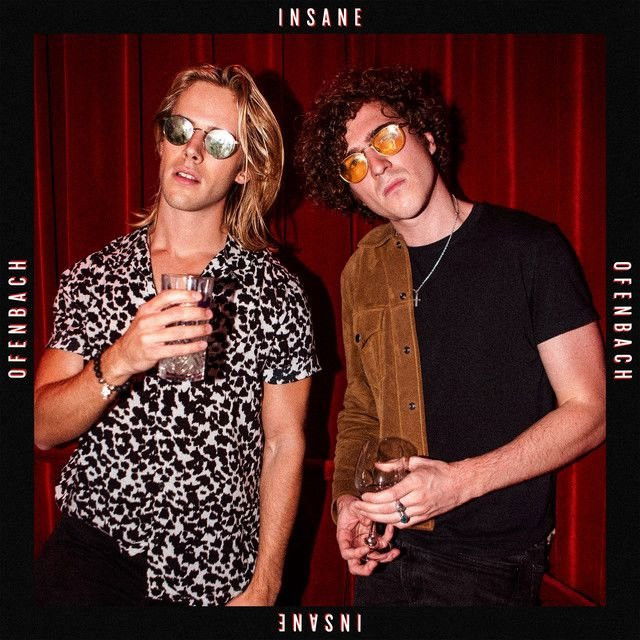
Why “Insane” by Ofenbach Feels So Addictive
The meaning of Insane Ofenbach comes down to a familiar but powerful feeling: two people hover around each other, hesitate, then finally cross into something intense. The song is light on plot, but strong on mood. That is why it works so well as a dance track and as a story about attraction.
"Insane" - Ofenbach
Each other for quite a time
When you were comin' around
Loading lyrics...
Unable to load lyrics
We're unable to display the lyrics at this time. Please try again later.
Ofenbach, the French DJ-producer duo of César de Rummel and Dorian Lauduique, are known for blending dance-pop energy with hooky, emotional toplines, as noted across their official profiles and major music outlets like Ofenbach’s official site and Warner Music France. In “Insane,” they take a simple relationship moment and turn it into a loop of tension, release, and excitement.
A Love Song About the Moment Before Control Slips
At its core, the song describes two people who have been emotionally circling each other for a while. The opening idea, paraphrased, is that they have been close for some time without fully acting on it. That creates the central tension.
One of the key phrases is tumblin' around
. It suggests movement without direction. They are not stable yet, and they are not fully committed either. That image makes the relationship feel playful, awkward, and unresolved.
Soon, the lyrics frame both people as hesitant. The line your heart was shy
matters because it removes blame. This is not a story where one person is cold and the other is chasing. Instead, both seem nervous, guarded, and unsure of how far to go.

Watch the official Insane
music video
How the Verses Build Romantic Tension
The verses move from distance to contact. First, they imply missed timing or uncertainty. Then they shift into a more direct physical and emotional pull. The song never gives many details, but it does not need to. Its strength is the way small clues build a clear emotional arc.
Three stages stand out:
- They circle each other without acting.
- They recognize mutual vulnerability.
- They give in to the rush.
The phrase found my weakness
is important here. Paraphrased, it means the other person quickly sees through defenses. That can sound risky, but in this song it also feels exciting. The connection works because each person can affect the other deeply.
Then comes walked the line
. This suggests restraint. They are close to crossing a boundary, but they are still balancing between caution and surrender. That image is one of the song’s best clues: the thrill comes not just from desire, but from how long they try to contain it.
Why the Chorus Turns Attraction Into “Insanity”
The chorus lands on the song’s most memorable phrase: go insane
. In context, this is not about mental health in a literal sense. It is a pop expression for being overwhelmed by passion, chemistry, and adrenaline.
Interpretation: the chorus says that attraction has reached the point where rational control no longer feels possible. The word “insane” dramatizes what the verses have been building all along. Their careful balance breaks, and emotion takes over.
The repeated nonsensical vocal hook after the chorus matters too. Rather than explain the feeling, the song lets the melody act it out.
As time went by
we walked the line
you made us go insane
That short sequence captures the entire emotional journey: time, tension, then release.
The Physical Imagery Is Gentle, Not Graphic
In the second verse, the song becomes more tactile. There is a line about wanting to feel “tickles” over the face and another about guiding the other person. These ideas suggest closeness, flirtation, and consent-based direction rather than anything dark or aggressive.
The phrase wanted to stay
adds warmth. This is important for the meaning of Insane Ofenbach because it shows the connection is not just impulsive. Beneath the rush, there is also comfort and mutual choice.
Interpretation: the song presents desire as both destabilizing and welcome. They are not just losing control; they are allowing themselves to stop resisting.
How the Production Sells the Meaning
Ofenbach’s production style usually leans on clean dance rhythms, strong builds, and simple toplines that listeners can hold onto quickly, a signature discussed in coverage from outlets such as Billboard and NME. “Insane” fits that approach.
The beat gives the song forward motion, while the vocal repetition creates a trance-like effect. That matters thematically. The track does not sound conflicted for long; it sounds like a slide into momentum.
The “da-da-da” refrain also does a lot of emotional work. Since the lyrics are minimal, that hook becomes the sound of surrender. It is catchy, but it also mirrors how intense attraction can reduce thought into sensation, rhythm, and instinct.
A Few Alternate Ways to Read It
There is a clear romantic reading, but not only one.
Interpretation 1: A mutual flirtation finally becomes real
This is the most direct reading. Two shy people slowly admit what they want, and the relationship becomes thrillingly uncontrollable.
Interpretation 2: Desire feels exciting because it is risky
Because the song mentions weakness and walking a line, it can also be heard as a story about temptation. The attraction is strong partly because it feels just beyond what they can safely manage.
Both readings fit the lyrics, and both explain why the song feels equal parts sweet and breathless.
Why “Insane” Connects So Easily
What makes the song stick is its simplicity. It captures the stage of romance that comes before labels and after denial. Many listeners know that feeling: the long build, the shared hesitation, then the sudden certainty that the chemistry is real.
That is the real meaning of Insane Ofenbach. It is about the thin line between restraint and surrender, and how love or lust can make that line disappear.
Disclaimer: This interpretation is based on the released lyrics, performance, and publicly available artist context. As with most pop songs, meaning can remain open to listener experience.









