
Why “Son Of The Morning” Sounds So Defiant
The meaning of Son Of The Morning Oh, Sleeper starts with a bold choice: the song speaks in the voice of evil itself. Rather than describing darkness from a safe distance, they let the listener hear a proud, taunting narrator who believes the world belongs to him.
"Son Of The Morning" - Oh, Sleeper
Hear me now, dear, weak forgiver.
Hear me now, weak forgiver. Hear me now
Loading lyrics...
Unable to load lyrics
We're unable to display the lyrics at this time. Please try again later.
That is what makes the track so gripping. It is not simply a song about rebellion. It is a performance of arrogance, temptation, and spiritual warfare, placed at the start of a larger concept album.
A Villain Gets the First Word
Factually, “Son of the Morning” is the title track from Oh, Sleeper’s second studio album, released August 25, 2009, through Solid State Records. The album was produced by Andreas Magnusson and is widely described as a concept record about the battle between Satan and Jesus (Wikipedia).
Published album background also notes that vocalist Micah Kinard described the title track as the Devil issuing threats to Jesus, with the chorus acting as Christ’s reply (Wikipedia). That context matters because it tells listeners not to mistake the speaker for the band’s own beliefs.
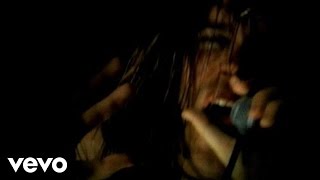
Watch the official Son Of The Morning
music video
The Core Meaning Beneath the Threats
Interpretation: The song’s main idea is that evil often sounds confident even when it is already losing. The narrator says I am the rival
and speaks like a conqueror, but the larger album frames those words as bluster from a defeated enemy.
They build that idea through constant boasts. The speaker acts as if grace is weakness, as if corruption is natural, and as if human failure proves his rule. When he sneers at a weak forgiver
, the insult reveals his worldview: mercy looks foolish to someone built on pride.
The song therefore is not praising darkness. It is exposing how darkness talks.
How the Chorus Changes Everything
The most important turn comes in the repeated line you haven't won anything
. In context, the song sets up a clash between Satan’s bragging and Christ’s answer.
If you could see like me
you haven't won anything.
That brief exchange matters because it punctures the narrator’s ego. He claims power, breath, and control, but the chorus answers him with a bigger perspective. Interpretation: Oh, Sleeper use this back-and-forth to show that evil confuses temporary damage with final victory.
A Story of Pride, Fall, and False Ownership
The title itself points toward a fallen, shining figure. In the song, the narrator describes rising into the sky, losing what he wants, and raging against the one who “stole” his light. That is classic fallen-angel language: beauty twisted into envy.
Several images repeat this idea:
speaks in whispers
suggests temptation and deceptionThis world is mine
shows false ownershiplord of air
gives the speaker a counterfeit throne- fading light suggests lost glory, not true power
Interpretation: The song paints evil as parasitic. It does not create life; it feeds on ruin. Even the imagery of feeding from graves points toward decay, not real authority.
Why the Music Feels Like a Spiritual Attack
Oh, Sleeper are a metalcore band, and the production helps sell the song’s meaning. The album was recorded at Planet Red Studios in Richmond, Virginia, with a lineup featuring Micah Kinard on lead vocals and Shane Blay on guitar and clean vocals (Wikipedia).
The track’s churning guitars, double-time drums, and harsh vocal attack make the narrator sound forceful and unhinged at the same time. That is a smart fit for the lyric. The music does not feel elegant or holy; it feels like pressure, conflict, and threat.
When the chorus arrives, the shift in structure feels less like surrender and more like confrontation. Interpretation: The band use dynamic contrast to dramatize the gap between loud arrogance and deeper authority.
Where the Song Sits in the Album’s Big Picture
The meaning of Son Of The Morning Oh, Sleeper becomes even clearer when they place it in the full album arc. The record runs just under 34 minutes and opens with this challenge before moving through songs that expand the conflict and end with Christ’s victory on “The Finisher” (Wikipedia).
That means the title track is the setup, not the conclusion. It lets the villain speak first so the rest of the album can answer him.
There is even visual support for that idea. The album art has been described as a broken pentagram, with the “horns” missing, linking the record’s imagery to Satan’s eventual defeat (Wikipedia).
One Song, Two Useful Readings
There are two strong ways to hear this track.
The theological reading
This is the clearest one. The song dramatizes Satan’s pride, Christ’s rebuttal, and the larger Christian story of rebellion ending in defeat.
The personal reading
Interpretation: Even listeners who do not approach it as doctrine can hear the song as the voice of temptation, addiction, ego, or despair. That inner voice always sounds absolute. It says corruption is natural, grace is weak, and change is impossible.
Oh, Sleeper’s point seems to be that this voice is loud, but not ultimate.
The Lasting Takeaway
What makes the song memorable is how fully they commit to the villain’s perspective without letting it have the last word. The speaker is dramatic, cruel, and confident, yet the structure of the song quietly shows that his confidence is hollow.
In simple terms, the meaning of Son Of The Morning Oh, Sleeper is about pride pretending to be power. The song lets evil brag so listeners can hear how empty that brag really is.
Disclaimer: This interpretation combines documented album context with lyrical analysis. As with most songs, some meaning remains open to listener perspective.








