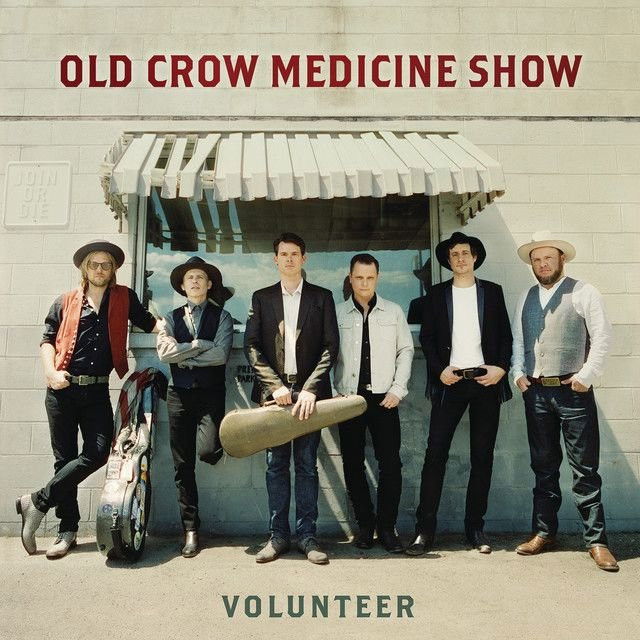
Old Hickory by Old Crow Medicine Show
A ghost story told like a folk legend
The meaning of Old Hickory Old Crow Medicine Show centers on memory, talent, pride, and loss. The song tells the story of Virgil Lee, a gifted local musician who feels larger than life, then slowly collapses under his own pain. By the end, he is remembered more as a legend than a man.
"Old Hickory" - Old Crow Medicine Show
He could outrun the L&N
Caught a wild cat and made him his friend
Loading lyrics...
Unable to load lyrics
We're unable to display the lyrics at this time. Please try again later.
This is one of those Old Crow Medicine Show songs that feels half biography, half tall tale. That matters. The band, known for blending old-time string music with modern energy, often writes songs that sound inherited from American folk tradition even when they are new. Their career arc—from busking to the Grand Ole Opry and a Grammy-winning run—helps explain why they are so good at stories like this, as noted in their band history.
Watch the official Old Hickory
music video
Who Virgil Lee seems to be
At first, Virgil Lee is introduced as a backwoods prodigy. The song paints him as almost mythic: fast, wild, self-taught, and impossible to ignore. When the lyric calls him a flat woods boy
, it suggests someone shaped by the land, not by school or polite society.
The next details deepen that image. He learns from nature and instinct, not from rules. But the song also plants a warning early. Virgil mistakes danger for friendship; he sees the devil as a companion. In plain terms, the gift that makes him magnetic may also make him reckless.
Interpretation: Virgil Lee is not just one person. He can also stand for a familiar Southern music archetype: the brilliant local player whose talent is real, whose flaws are real, and whose life burns too fast.
The chorus turns a man into a symbol
The heart of the song is the title image, old hickory
. The tree shades a porch, but the house is gone. That contrast is the whole emotional argument. A life, a home, and a community moment can disappear, yet one rough survivor remains.
There ain't nothin' that's left
but the memory
That short refrain reduces the story to what lasts: not success, not records, not fame, but memory. The hickory is described as tall, scraggly, and bitter. It is not a noble, pretty monument. It is a stubborn one.
Interpretation: The tree symbolizes a hard kind of remembrance. Virgil Lee is not remembered as neat or polished. He is remembered as weathered, difficult, and unforgettable.
How the plot moves from wonder to ruin
The song unfolds in three clean stages:
- Mythmaking. Virgil is introduced as a natural marvel, almost a folk hero.
- Peak talent. In the Glow Worm Bar scene, he is passing a jug and a guitar, and he plays like a star. The narrator is stunned by how original he sounds.
- Decline and aftermath. Pain takes over, the songs become unstable, and eventually he is mourned and nearly forgotten.
That middle section is crucial. When Virgil says he may have just made it up
, the song points to pure creation. His art seems to come from nowhere. The next line about an empty cup overflowing suggests inspiration that cannot be fully explained.
But that same mystery flips dark. The summer of fire and rain
marks a season of beauty mixed with damage. He starts nursing pain, and his music turns distorted and broken. The fall is not presented as sudden punishment. It feels like erosion.
Pride, truth, and judgment
One of the sharpest ideas in the lyric appears in the recurring warning that people can fool others, but not ultimate truth. The song says a person can impress crowds, flash false value, and play the part. Still, as it puts it, the good Lord knows
.
That line gives the song a moral frame without making it preachy. Virgil is admired, but he is not excused. The narrator clearly loves his talent, yet still sees his self-deception. This balance is what makes the song feel mature. It refuses to flatten him into either a saint or a fraud.
Interpretation: The song is less about religion than accountability. It argues that charisma can hide damage from other people, but not forever.
Why the sound matters so much
Old Crow Medicine Show’s arrangement style is a big part of the meaning. Their music is rooted in old-time, folk, bluegrass, and Americana forms, with a live-wire attack that critics and fans have long noted. On songs like this, fiddle, guitar, and string-band momentum make the storytelling feel communal rather than private. That background on their style helps explain the song’s shape, and it lines up with their broader Americana tradition.
“Old Hickory” works because the music likely carries both motion and ache at once. A steady acoustic drive can make Virgil seem alive in the room, while rough edges in the vocal delivery keep the story from sounding sentimental. This is not polished mourning. It is front-porch mourning.
That matters because the lyric is about a man whose greatness was probably local and fleeting. A glossy production would weaken the point. The rootsy sound keeps him close to ordinary people, bars, school gyms, and memory.
What the ending leaves behind
Near the end, the song says nobody remembers his name, yet the narrator insists he was the greatest. That contradiction is devastating. It shows how easily extraordinary people disappear if they never enter the official record.
This also circles back to the title. The tree remains after the house is gone because memory does not preserve everything evenly. It keeps shapes, feelings, and stories more than details. Virgil Lee survives as a tale people tell when they want to talk about wasted brilliance.
Final take on the song’s meaning
The meaning of Old Hickory Old Crow Medicine Show is ultimately about how communities remember gifted, troubled people. The song honors talent, warns against pride, and shows how pain can warp even genuine genius. Its central image says that what survives a ruined life is often something rough and incomplete, but still deeply human.
That is why the song lingers. It is not only about death. It is about the strange afterlife of reputation.
Disclaimer: This interpretation is based on the lyrics, the band’s documented style and context, and reasonable critical reading. Like most folk-rooted songs, it can support more than one meaning.







