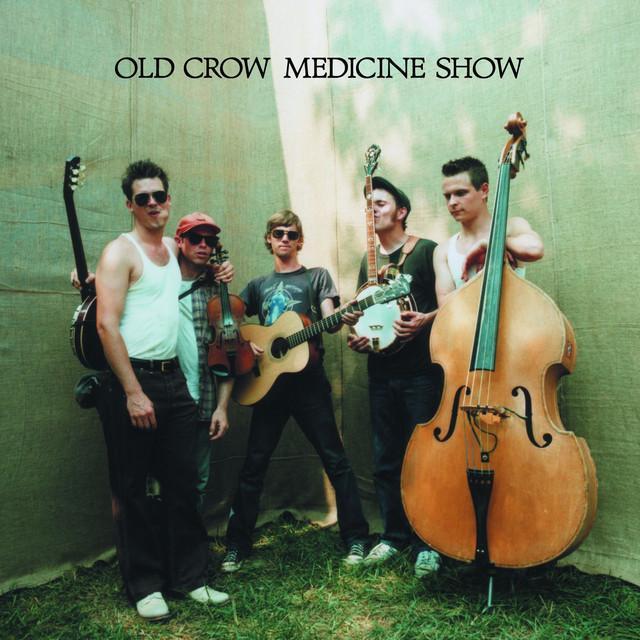
Why “Wagon Wheel” Still Feels Like Home
The heart of the song in one view
The meaning of Wagon Wheel Old Crow Medicine Show starts with motion: a traveler is heading south, trying to reach the person they love. On the surface, it is a road song full of highways, rides, weather, and state lines. Under that, it is about homesickness, freedom, and the hope that love can give a drifting life some direction.
"Wagon Wheel" - Old Crow Medicine Show
And I'm thumbin' my way into North Caroline
Starin' up the road
Loading lyrics...
Unable to load lyrics
We're unable to display the lyrics at this time. Please try again later.
Old Crow Medicine Show turned the song into a modern folk standard after releasing it in 2004. Factually, the chorus began as an unfinished Bob Dylan sketch from the early 1970s, and Ketch Secor later wrote the verses, leading to the Dylan-Secor co-write that listeners know today. The band recorded their version at RCA Studio B in Nashville, with David Rawlings producing. Those details matter because the song sounds old and lived-in by design, almost like it was discovered rather than newly made.
Watch the official Wagon Wheel
music video
A traveler chasing warmth, love, and a better self
The story follows a narrator moving down the East Coast toward Raleigh, North Carolina. He is not traveling for adventure alone. He is escaping cold weather, bad luck, and a life that no longer fits.
Early lines place him in motion with land of the pines
and a thumb-out ride toward North Carolina. That travel image quickly becomes emotional. He is not just trying to arrive somewhere on a map; he wants to see my baby tonight
. The destination matters because it promises comfort, belonging, and maybe forgiveness.
What the verses reveal
Each verse adds a layer:
- The first verse gives the route and the longing.
- The second explains what he is leaving behind: cold, gambling losses, and rootlessness.
- The third adds urgency, as if reaching home could save him.
That is why the song feels bigger than a simple hitchhiking tale. Interpretation: the road stands for a messy life in transition, while Raleigh stands for emotional rescue.
The chorus turns movement into comfort
The chorus is simple, but that simplicity is the secret of its power. Instead of giving more plot, it asks for soothing and steadiness. The repeated image rock me mama
sounds like a plea for shelter, rhythm, and human connection.
The title image also matters. A wagon wheel suggests old America, handmade travel, and circular motion. Wheels keep turning, just as folk songs do. The singer wants to be carried forward by love the same way a wheel carries a traveler onward.
Rock me mama like the wind and the rain
Rock me mama like a south-bound train
Those lines compare love to natural force and machine force at once. One is weather, the other is transport. Interpretation: he wants love to feel both gentle and unstoppable.
Homesickness is the song’s real engine
A key fact behind the song deepens its meaning. Secor has said he wrote the verses as a teenager while feeling homesick for the South and deeply influenced by Dylan's writing style. In a brief interview quote, he described his younger self as trying to write a song the way Dylan would. That confession helps explain why the song feels both personal and inherited.
Homesickness drives nearly every image. The narrator is runnin' from the cold
, but the cold is not only weather. It also suggests emotional isolation. The South, by contrast, is flowers, music, memory, and the promise of reunion.
This is why the song connects so strongly in the United States. It taps into a familiar national idea: the open road as both escape and return. They may be moving forward, but they are really trying to get back to a truer self.
Folk lineage gives the song extra depth
Part of the meaning of Wagon Wheel Old Crow Medicine Show comes from its folk history. The chorus grew out of Dylan's unfinished piece Rock Me, Mama
, and that phrase itself echoes older blues traditions associated with Arthur Crudup and earlier roots music. In that sense, the song is about travel in two ways: the narrator travels south, and the lyric travels through generations.
That history explains why the song spread beyond normal radio channels. It became a campfire, parking-lot, and jam-session favorite long before it became a giant commercial standard. Old Crow's version was later certified multi-platinum, showing how a grassroots song can become mainstream without losing its rough edges.
A note on the famous geography slip
One verse includes a route detail that does not fully make geographic sense, something Secor has openly acknowledged. Rather than hurting the song, that small error helps its legend. Folk songs often prize feeling over perfect map logic. The destination is emotional truth, not GPS precision.
How the music supports the meaning
The arrangement is crucial. Old Crow Medicine Show play it with acoustic drive: fiddle, banjo, guitar, upright-bass feel, and a steady, swaying rhythm. The song sits in a bright major key, but the performance carries dust and wear. That mix of uplift and fatigue mirrors the lyric perfectly.
The tempo is relaxed enough to feel like rolling wheels, yet active enough to suggest momentum. The chorus opens up melodically, which makes the plea feel communal rather than private. Listeners do not just hear one traveler's voice; they hear a whole crowd wanting comfort.
Interpretation: this is why the song works so well live. The audience becomes part of the journey, singing the relief they also want.
Why it lasts
“Wagon Wheel” lasts because it joins three durable ideas: romance, motion, and tradition. It is easy to sing, but not empty. It sounds joyful, yet it carries struggle. It tells a specific story, but leaves room for listeners to place their own miles inside it.
At its core, the song is about a drifter who believes love can turn wandering into purpose. That is the meaning that keeps bringing people back.
Disclaimer: This interpretation separates documented song history from critical reading. Meanings can vary by listener, and some points above are informed interpretations rather than confirmed artist intent.








