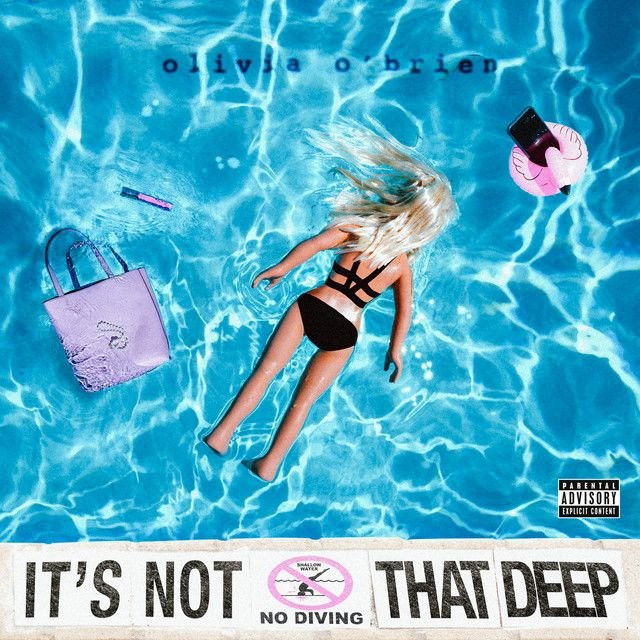
Tequilawine by Olivia O'Brien
A breakup song hiding inside a party track
The meaning of Tequilawine Olivia O'Brien centers on a messy emotional split: they still want someone who hurt them, but they would rather blur that feeling than admit it. The song turns that conflict into a simple image—mixing alcohol to dull the room, the memory, and the attraction.
"Tequilawine" - Olivia O'Brien
Pour tequila in my wine
Now I'm feelin' fine
Loading lyrics...
Unable to load lyrics
We're unable to display the lyrics at this time. Please try again later.
Released in 2017 as a promotional single tied to Olivia O'Brien's EP It's Not That Deep, the track fits her early catalog well. O'Brien built much of her breakout reputation on emotionally direct pop songs about mixed signals, resentment, and unfinished relationships, especially after the success of "I Hate U, I Love U". "Tequilawine" works in that same lane, but with a more playful, party-ready surface.

Watch the official Tequilawine
music video
The song's core conflict: wanting and resisting
At heart, this is a song about emotional whiplash. The speaker sees an ex or former love interest at a party and immediately feels pulled back in. They are trying not to look, trying not to react, and trying not to reveal that the feelings are still there.
That is why the hook matters so much. When they sing "tequila in my wine"
, the image is not really about taste. It is about making a bad mix on purpose. They are stacking one numbing choice on top of another because their emotions are already confused.
The next idea sharpens that motive. The line "waste your time"
is a revenge thought, but not a clean one. They want payback for being hurt, yet the song makes it clear that they are not in control enough to carry out some master plan. Their anger and attraction are happening at the same time.
Scene by scene, what happens in the lyrics
The song unfolds in a very clear sequence, which helps explain why it feels so relatable.
First beat: the unwanted sighting
The speaker is at a party, trying to enjoy the night, when the other person walks in. The room changes instantly. They notice them from the side and try not to stare, but the effort fails.
Second beat: feelings turn into avoidance
Instead of talking, they look inward. The lyrics describe confusion, overthinking, and the classic post-breakup fear of seeming too open. A phrase like "too revealin'"
shows the real problem: not just desire, but pride.
Third beat: drinking becomes strategy
The chorus reframes the drinking as a tool. When they sing "out of focus"
and later mention "blurry vision"
, the point is not simply being drunk. They are trying to erase emotional clarity. If they can make the other person visually and mentally less sharp, maybe the old pain will fade too.
I can't seem to let you go, so
I'm just gonna pour some more
I don't wanna let it show, so
I'm just gonna pour some more
This is the clearest emotional confession in the song. They cannot move on, and because they do not want anyone to see that weakness, they drink more instead.
Why the alcohol imagery matters
Many pop songs use drinking as shorthand for heartbreak, but "Tequilawine" uses it more specifically. Tequila and wine suggest two different moods mixed together: reckless impulse and softer sadness. That blend mirrors the song's emotional split between lust, revenge, embarrassment, and grief.
Interpretation: the title image also hints at self-sabotage. Mixing drinks is usually a bad idea, and that seems deliberate here. The speaker knows this night is not helping. They are not healing; they are escalating.
There is also a strong link between alcohol and perception. The repeated focus on vision—seeing someone, avoiding eye contact, making them go fuzzy—shows that the real goal is not pleasure. It is escape.
How Olivia O'Brien's style shapes the meaning
O'Brien's writing often sounds conversational, almost like a text message said out loud. That matters here because the song does not present heartbreak as poetic destiny. It sounds immediate, messy, and a little impulsive.
The credited writers are Alex Hau, David Park, Marc Griffin, Nicholas Balding, and Olivia O'Brien. The wording stays simple on purpose, which makes the emotional contradiction easy to grasp. The song does not hide behind symbolism for long; it tells listeners exactly what the speaker wants to avoid showing.
Production-wise, the track leans into sleek pop with rhythmic bounce rather than heavy drama. That contrast is important. The bright, catchy feel makes the song sound fun at first, but the lyrics are about someone falling apart in public while trying to look fine. The beat gives them motion; the words show the crash underneath.
A song about control that keeps slipping away
One of the strongest parts of the meaning of Tequilawine Olivia O'Brien is how often the speaker tries to manage appearances. They do not want to stare. They do not want to admit they still care. They do not want to "let it show."
But every section proves the opposite. The more they insist they can bury the feeling, the more obvious it becomes that they are stuck. Even the revenge line feels weak compared with the longing underneath it.
Interpretation: that tension is what gives the song its bite. It is not really about getting even. It is about losing the battle between ego and desire.
Why the song still connects
"Tequilawine" captures a familiar modern breakup scene: seeing someone again before the feelings are gone, then trying to act detached in a crowded room. That setting makes the song easy to picture and easy to feel.
It also fits O'Brien's early career persona—young, candid, and unafraid to sound conflicted. Instead of presenting heartbreak as noble, the song shows it as awkward, petty, physical, and very human.
Last call on the meaning
In the end, "Tequilawine" is about using intoxication to mask unresolved desire and resentment. Its party language hides a simple truth: they still want the person who hurt them, and that fact is harder to swallow than any drink.
That is the clearest meaning of Tequilawine Olivia O'Brien: blurred vision as emotional defense. Interpretation disclaimer: song meanings can vary by listener, and this reading is based on the lyrics, release context, and the track's musical presentation.








