
Dos Uno Nueve (219) by Omar Apollo
They don’t hide the point: this is a victory lap rooted in home. Omar Apollo turns a regional code into a personal flag, building a fast, vivid portrait of how hunger became fuel. The track fuses corrido flair and modern swagger to show what pride sounds like when someone finally arrives.
"Dos Uno Nueve (219)" - Omar Apollo
Los maltratos me aguanté (y no me agüito)
La estación del lago, ahí me crié donde empezó lo que soñé
Loading lyrics...
Unable to load lyrics
We're unable to display the lyrics at this time. Please try again later.
From 219 to Everywhere: A Proud Origin Story
The title namechecks 219, the area code of Northwest Indiana, where they grew up. Early lines recall endurance—pasé por tantas cosas
—and set the stage for a climb that feels both personal and communal. The narrator is speaking to anyone who watched them struggle and to the neighborhood that raised them.
They underline loyalty with 219 lo rifé
, slang for repping one’s set. That pride matters, because the story is not only about success but also about who gets to claim it. By keeping the hometown front and center, the song treats fame less like escape and more like proof that the place made them strong.
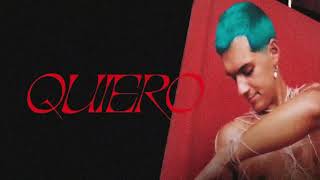
Watch the official Dos Uno Nueve (219)
music video
What the Song Is Really About
If a reader is searching for the meaning of Dos Uno Nueve (219) Omar Apollo, here it is: resilience without apology. The verses remember scarcity—no teníamos pa comer
—and the sting of critics. The refrain, ambition, and flex live beside gratitude for survival.
This is not a morality tale that rejects money. It’s a confession that wealth is part of healing when you’ve known lack. The track’s message lands as: keep receipts, keep family close, and keep going.
Who’s Speaking and How They Sound
The narrator speaks in the first person, switching between Spanish storytelling and English ad-libs. That code-switching mirrors a bicultural reality: the same person who says no me agüito
can also crack a bold English aside. The tone moves from bruised memory to big-chested self-belief, but the core voice stays grounded.
The brags are sharp, yet they never erase the past. Instead, the performance treats confidence as a shield against shame and a gift to those who shared the struggle.
Beat-by-Beat: The Mini-Memoir
- Upbringing at a lake-side station and early dreams. They faced mistreatment and learned to persevere.
- Hunger years: memories of scraping by, jobless days, and doubts from others.
- Turning the corner: a contract, global travel, and shows that fund a new life.
- Present tense: designer pieces, better meals, and a louder voice—now they “say it” and “shout it.”
Each beat circles back to community; the win isn’t just private, it’s hometown validation.
The Hook That Reframes Everything
The chorus is simple and sticky. It pairs drive with contentment:
Quiero ganar mucho más ceros
Y disfrutar de lo que tengo
Interpretation: the goal isn’t greed; it’s security and the freedom to enjoy what was once out of reach. The phrase mucho más ceros
sets a numeric image for stability, while the second line keeps the heart soft.
Symbols, Brands, and the Price of Arrival
Numbers and brands do narrative work here. Zeros measure distance from empty plates; a jacket price tags a moment when choosing warmth isn’t a sacrifice. Dropping Dolce y Gabbana
, Balenciaga, and “baguette” diamonds isn’t random—it signals how far they’ve moved from earlier scarcity.
Interpretation: these markers also thumb the nose at past critics. They are trophies, yes, but they are also receipts of resilience, a way of saying the art literally fed the table that once went bare.
How the Sound Lifts the Story
Musically, the track leans on a guitar-led, sierreño/corrido-adjacent backbone with a modern, low-end push. The rhythm is brisk but unhurried, letting the vocal drive the narrative. Spanish phrasing rides the pocket, while hyped ad-libs bring a hip-hop edge and party energy.
This blend matters. Regional Mexican textures give the confessions weight and lineage; contemporary drums and to-the-mic ad-libs frame the flex. The mix leaves space for the vocal to cut through, so every boast and memory lands clear.
Alternate Readings Worth Considering
- Interpretation: A corrido of self-invention. The song borrows regional storytelling to map an immigrant or working-class arc: hardship, hustle, and home as identity.
- Interpretation: A gratitude anthem in disguise. The expensive items and global travel read like victory décor; the emotional center is still the kitchen table that knows what it means to be empty.
Both views support the same takeaway: the gloss is real, but it sits on a base of grit and loyalty.
Takeaway
In just a few minutes, the song charts a climb with heart and heat. It’s a love letter to 219, a challenge to doubters, and an instruction manual for turning pressure into shine.
Disclaimer: Song meanings are subjective. This reading blends lyrical analysis with context and may differ from the artist’s intent.







