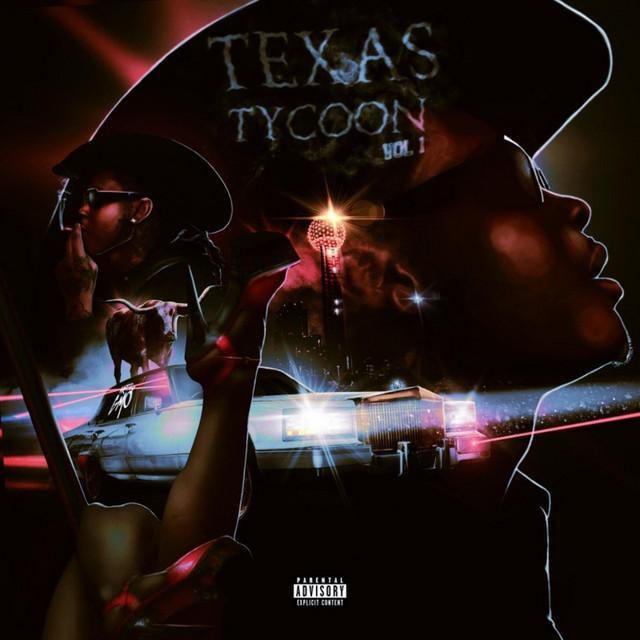
LALA by Oodaredevil, Talinwya
Why This Hook Sticks
The meaning of LALA Oodaredevil, Talinwya comes through less as a story and more as a mood: self-belief pushed so hard it becomes a shield. The song circles around pride, image, desire, and danger. Its repeated hook is simple, but that simplicity is the point. It works like a chant that turns attitude into identity.
"LALA" - Oodaredevil, Talinwya
Im crazy don't waste my time
Lala lala
Loading lyrics...
Unable to load lyrics
We're unable to display the lyrics at this time. Please try again later.
Rather than offering a detailed plot, the track builds a persona. They sound impatient with fake affection, quick to defend their status, and determined to stay above everyone else. The emotional center is not romance. It is control.
The Core Meaning Behind the Bragging
On the surface, “LALA” is full of flexes about money, cars, clothes, and women. But those details connect to a bigger theme: the speaker wants proof that they matter. When they say talk cheap
, they are dismissing empty promises and surface-level loyalty.
That idea turns a boastful rap into something more revealing. They do not just want admiration; they want actions that confirm their worth. In that sense, the song is about pride under pressure.
Interpretation: The repeated claim that there is no equal suggests more than confidence. It sounds like overcompensation too. By insisting they are numero uno
, the speaker protects themselves from rejection, doubt, or being treated as ordinary.
A Persona Built on Refusal
The line don't waste my time
is important because it shows how the speaker deals with people. They do not want mixed signals, weak commitment, or anyone who cannot match their pace. The song treats hesitation as disrespect.
That refusal also shapes the love talk. They hear someone say they care, but they push back and demand evidence. In plain terms, the song says words alone are not enough.
Say that you love me
hey bae talk cheap
Those two short lines summarize the relationship logic of the track. Affection is questioned, promises are tested, and pride stays in the way. The speaker would rather act tough than risk looking naive.
Motion, Money, and Menace
A lot of the song’s imagery comes from movement and material success. The two-door car, the bank deposit, the watch, and designer references all create a fast, glossy world. Nothing is still for long. Even when the lyrics are repetitive, the details keep suggesting motion, stacking, and leveling up.
That matters because status in “LALA” is not passive. It has to be performed. When they rap nothing is cheap
, they are not just describing purchases. They are framing themselves as someone who lives above the ordinary.
There is also a darker thread. The song hints at violence and retaliation, warning others not to test them. Those lines raise the stakes. Image here is tied to survival and respect, not just style.
How the Chorus Turns Chaos Into Identity
The title phrase and the looping opening make the chorus feel almost numb, even playful. But underneath that sing-song sound, the message is sharp. When the speaker says I'm crazy
, they are presenting unpredictability as power.
That is a common move in trap and street rap: act impossible to read so nobody feels safe challenging you. In “LALA,” the hook softens the sound while hardening the character. The result is catchy but tense.
Interpretation: The “lala” refrain may also suggest emotional noise, a way of drowning out doubt with repetition. Instead of reflection, the speaker chooses rhythm. Instead of vulnerability, they choose slogan-like confidence.
What the Sound Adds to the Lyrics
Even without detailed public production notes, the writing points to a modern trap setup: repetitive hook design, short flex-heavy lines, and blunt percussive phrasing. That kind of production usually supports a hypnotic effect. The beat likely leaves space for repetition to hit hard, while the vocal cadence carries the energy.
That matters for meaning. A track like this works because the production does not interrupt the character. It reinforces it. Sparse, pounding drums and a dark melodic loop would fit the lyrics’ mix of luxury and threat.
In rap, repetition can either flatten a song or deepen it. Here it deepens the persona. Every return to the hook feels like another layer of self-assertion.
Artist Context and What Can Be Said Safely
Based on the provided credits, Oodaredevil and Talinwya are the songwriters, and the track is framed as a collaboration between them. Public, verifiable background appears limited, so the clearest way to read “LALA” is through the song itself rather than unsupported biography.
That is not a weakness. In fact, tracks like this often rely on voice, tone, and presence more than on outside explanation. Their appeal comes from how fully they commit to a feeling.
For general industry context on how trap repetition and hook-centered writing shape listener response, readers can look at the Recording Academy and AllMusic. Those sources help place “LALA” within a larger rap tradition built on mood, mantra, and persona.
Final Take on the Song’s Message
The meaning of LALA Oodaredevil, Talinwya is about more than bragging. It is about turning pride into armor. The song presents someone who measures love by action, uses wealth as proof of value, and treats unpredictability as protection.
Its hook makes the message easy to remember, but the verses give it edge. Under the flexing, there is a constant fear of being played, doubted, or brought down. That tension is what gives the song its bite.
Disclaimer: This interpretation is based on the lyrics provided and general musical context. Like most songs, “LALA” can support more than one reading, and listeners may hear different meanings in its tone and imagery.







