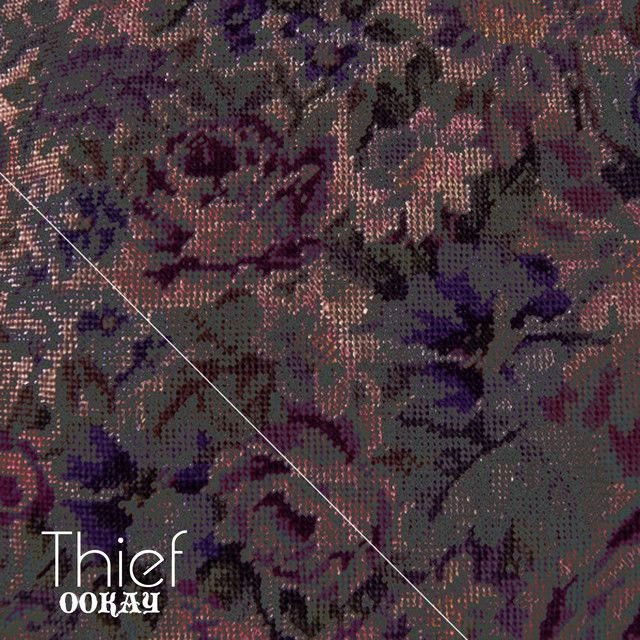
Thief by Ookay: Desire, Guilt, and the Chase
The meaning of Thief Ookay comes through fast and clearly: this is a song about wanting someone so intensely that it feels invasive, reckless, and a little shameful. The speaker does not describe romance as calm or safe. They describe it as pursuit. In that frame, love becomes a kind of break-in, and attraction starts to sound like a confession.
"Thief" - Ookay
I'm coming for your heart
I'm coming for your heart
Loading lyrics...
Unable to load lyrics
We're unable to display the lyrics at this time. Please try again later.
Ookay is the stage name of producer Abraham Laguna, an American electronic artist known for blending festival-ready drops with emotional pop structure, as noted on his official profiles and release pages such as Spotify and Apple Music. That background matters here. “Thief” takes a bold dance-music setup and gives it a guilty emotional center.
What This Song Is Really Stealing
At its core, “Thief” uses crime language to describe desire. The repeated image like a thief in the night
turns love into something secretive and sudden. Instead of asking for closeness, the speaker says they are coming for your heart
. That choice of words makes the emotion sound aggressive, not gentle.
This is why the song feels darker than a simple crush anthem. The speaker knows they are crossing a line. They are not pretending to be noble. When they add anything goes
, the mood shifts from longing to moral risk. They are saying that normal rules have broken down.
Interpretation: The song is less about actual harm than about emotional obsession. It captures the moment when attraction feels so overpowering that a person sees their own desire as selfish.

Watch the official Thief
music video
The Hook Turns Romance Into a Confession
The chorus is short, but it does most of the meaning work. It repeats the thief metaphor until it feels unavoidable. That repetition matters because it traps the speaker in their own mindset. They cannot move beyond the urge to take, claim, or possess.
Then comes the song’s most revealing self-description: selfish ghost
. That phrase combines guilt and emptiness. A thief takes. A ghost lingers. Put together, the image suggests someone who wants connection but feels unable to earn it honestly.
Like a thief in the night
I'm coming for your heart
This time it's anything goes
Paraphrased, the hook says: they are acting from impulse, they know it is morally messy, and they are moving ahead anyway. That is why the chorus feels both catchy and uneasy.
Who Is Speaking, and Why Do They Sound Split?
The voice in “Thief” is first-person in the lyric, but the song’s emotional effect is about inner division. One part of the speaker wants closeness. Another part already judges that desire. They sound confident on the surface, yet the language gives away shame.
That split appears in the contrast between action and self-labeling. The speaker promises pursuit, then calls themselves a ghost. In other words, they act bold while describing themselves as insubstantial. That contradiction is the heart of the song.
A person chasing connection
One reading is simple: they want someone badly and fear rejection, so they use larger-than-life language to cover vulnerability. Calling themselves a thief is a dramatic way to admit they are trying to take love rather than build it.
A person haunted by their own habits
Interpretation: Another reading is that they have done this before. The phrase about a ghost suggests a pattern. They drift in, overwhelm a connection, and vanish, leaving guilt behind. The song then becomes not just desire, but self-recognition.
Why the Production Feels Tense and Addictive
The production helps explain the meaning of Thief Ookay just as much as the words do. Ookay comes from EDM, trap, and pop crossover spaces, documented across artist bios like Beatport and Insomniac. In “Thief,” that background shows up in the song’s sharp contrast between airy vocal space and hard rhythmic impact.
The beat gives the track forward motion, like a chase scene. The synths feel nocturnal and slick, which matches the nighttime image in the lyric. Even the minimal writing helps: because there are so few words, every phrase lands like a pulse.
The repeated vocal fragments also matter. They create a hypnotic loop, almost like the speaker is stuck inside one dangerous thought. Then the burst of energy around let's go crazy
works as a release valve. It sounds fun, but it also sounds like surrender. Instead of resisting impulse, they lean into it.
Symbols That Carry the Song
A few small images do almost all the heavy lifting:
- Thief: desire as taking rather than sharing.
- Night: secrecy, impulse, and reduced self-control.
- Heart: not just romance, but emotional possession.
- Ghost: guilt, emptiness, or an unstable identity.
These symbols are simple, but that simplicity is part of the song’s strength. The writing does not tell a full story with detailed scenes. It presents a compact emotional state: craving mixed with self-knowledge.
Why Listeners Connected With It
“Thief” works because it sits between vulnerability and swagger. It has the directness of a dance track, but emotionally it is about the uncomfortable side of wanting someone. Many pop songs describe love as pure destiny. This one describes it as temptation.
That tension gives the track replay value. Listeners can hear it as seductive, guilty, playful, or even self-critical depending on their mood. The ambiguity is not a flaw. It is the design.
Final Reading: A Dark Pop Snapshot of Obsession
The best way to understand the meaning of Thief Ookay is to hear it as a song about desire that knows it is not innocent. The speaker wants closeness, but they frame that want as pursuit, trespass, and haunting. That is why the song feels thrilling and uneasy at the same time.
In the end, “Thief” is not just about stealing a heart. It is about what it feels like when attraction pushes someone past restraint, and they can hear their own guilt in real time.
Disclaimer: This interpretation is based on the song’s lyrics, sound, and public artist context. As with all music, listeners may reasonably hear different meanings in it.







