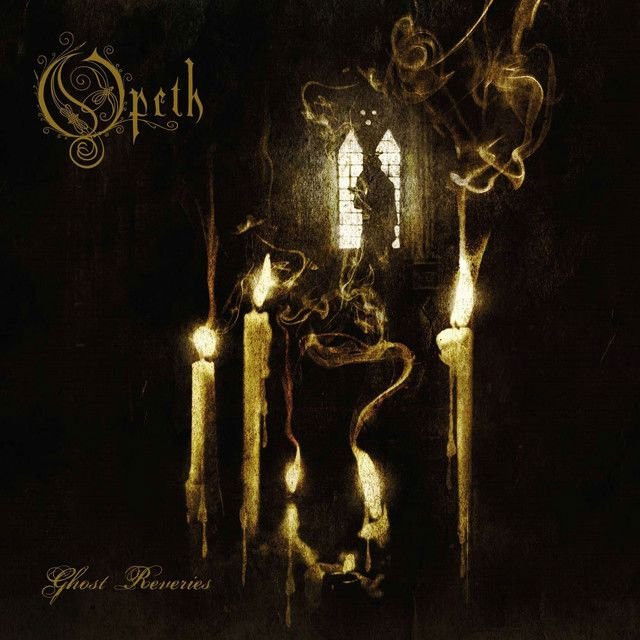
Ghost of Perdition by Opeth
Why This Song Feels Like a Descent
The meaning of Ghost of Perdition Opeth starts with a world already in collapse. The song does not present grief, evil, and fear as separate things. Instead, it blends them into one long fall, where illness, spiritual corruption, and emotional damage all seem to feed each other.
"Ghost of Perdition" - Opeth
Lingering death
Ghost on Mother's bed
Loading lyrics...
Unable to load lyrics
We're unable to display the lyrics at this time. Please try again later.
Opeth released the track as the opener to Ghost Reveries in 2005, a major album in the band’s catalog. It was written by Mikael Åkerfeldt, and its mix of death metal force and progressive detail helped define that era of the band. Those facts matter because the song’s meaning is carried not just by words, but by how violently the music changes shape.
Watch the official Ghost of Perdition
music video
The Core Meaning at the Center
At its heart, the song appears to tell a story of a person or family overtaken by a destructive force. The opening images are intimate and physical: a bed, hair on a pillow, a face twisted by suffering. The phrase Ghost of Mother
makes the scene feel haunted even before the song names the darker force outright.
Interpretation: That haunting may be literal, but it can also stand for trauma lingering after sickness, abuse, or moral collapse. When the song introduces Ghost of perdition
, it sounds like doom has moved from the room into the body and soul.
The lyrics keep hinting that warning signs were missed. Evil is not shown as sudden. It grows quietly, deceives people, and then takes control.
A Story of Corruption, Step by Step
The song unfolds like a gothic tragedy. A simple way to read its movement is:
- A mother figure is already fading or dying.
- A corrupting presence enters and takes root.
- Someone is manipulated through false comfort and dark promises.
- Sanity, morality, and identity begin to break apart.
- The ending leaves ruin, guilt, and spiritual confusion.
That is why lines about darkness feel both personal and mythic. Phrases like Holding her down
and Draining the weakness
suggest domination, not healing. The song keeps asking whether the victim chose this path, was pushed into it, or could no longer tell the difference.
The Villain May Be Supernatural — or Human
One of the strongest parts of the song is its ambiguity. The lyrics mention the devil, saints, and holiness, which gives the track a religious horror frame. Yet the emotional logic is also painfully human.
Interpretation: The villain can be read in at least two ways:
- a literal demonic force
- a symbol for manipulation, addiction, abuse, or mental collapse
That second reading gains power from phrases like hissing of her sanity
. The language sounds like possession, but it also fits psychological breakdown. The song never fully settles the question, and that uncertainty is part of why it lingers.
Family, Faith, and Rotting Morality
The family imagery matters. The mother figure gives the song its emotional anchor, while references to a beloved son
widen the damage beyond one person. This is not only about private suffering. It is about a whole moral world falling apart.
The religious terms make that fall even sharper. Opeth contrast purity and corruption in disturbing ways, especially when holy language is paired with degradation. The result is a song about faith turned inside out. Ideas that should protect people become unclear, powerless, or corrupted themselves.
Interpretation: In that sense, the song is not preaching. It is dramatizing what it feels like when moral certainty breaks down and evil starts speaking in the voice of truth.
How the Music Deepens the Meaning
The meaning of Ghost of Perdition Opeth becomes clearer when they hear the arrangement. The song is built on sharp contrasts: crushing riffs, sudden acoustic space, growled vocals, and cleaner melodic passages. Those swings create the feeling of being pulled between inner light and violent darkness.
When the band turns heavy, the song feels invasive and predatory. When it opens up, the quieter moments do not feel safe. They feel like the calm inside a nightmare. That is a classic Opeth move, and here it serves the lyrics perfectly.
The guitar work also helps tell the story. The riffs feel winding and unstable, matching images of a road rising into darkness. Rather than driving toward release, the song circles deeper into dread.
Why the Song Still Hits So Hard
Part of the song’s lasting power is that it refuses easy explanation. It gives listeners horror imagery, but the emotional content is recognizable: helplessness, guilt, failed warnings, and the fear of watching someone disappear while still alive.
That is why the song feels bigger than a single plot. Even if listeners do not take the demonic imagery literally, they can still hear a story about corruption entering a home, twisting love, and staining memory. In that reading, the “ghost” is what remains after trust, sanity, or innocence has been destroyed.
Final Reading of Opeth’s Darkest Opening Blow
The best way to understand the meaning of Ghost of Perdition Opeth is to see it as a layered tale of haunting and corruption. It works as supernatural narrative, psychological portrait, and moral nightmare at once.
Opeth make that complexity feel natural because the music and lyrics chase the same idea: evil rarely arrives with a clear face. It whispers, deceives, and settles in before anyone knows what has been lost.
Disclaimer: This interpretation is based on the lyrics, recorded performance, and public song context. As with many Opeth songs, some meanings remain open to listener interpretation.







