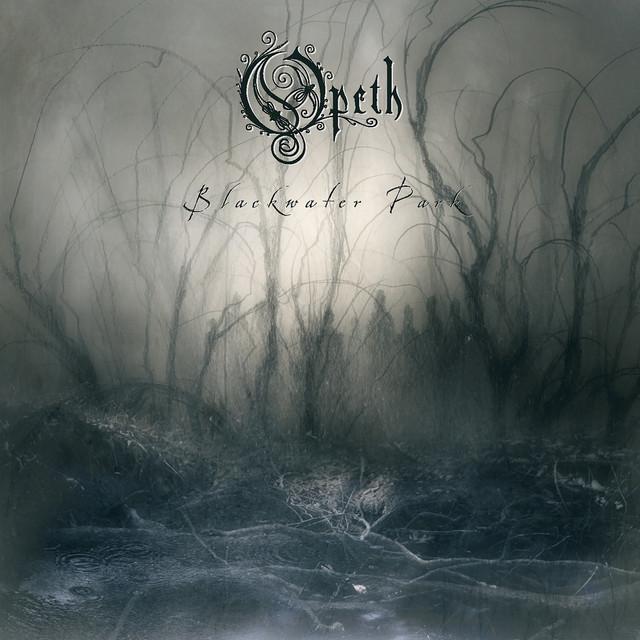
Harvest by Opeth: A Quiet Song About Dread
The meaning of Harvest Opeth stands out because the song sounds gentle while its words feel haunted. On the surface, “Harvest” moves with soft acoustic guitars and a calm pace. Underneath that calm, though, the narrator seems trapped in a space of grief, surrender, and approaching death.
"Harvest" - Opeth
Rise above the vile
Name my final rest
Loading lyrics...
Unable to load lyrics
We're unable to display the lyrics at this time. Please try again later.
Released on Opeth’s 2001 album Blackwater Park, the song is one of the band’s clearest examples of contrast. Opeth were known for long progressive death metal pieces, yet “Harvest” strips away the growls and heavy attack. That choice matters: the quiet sound makes the despair feel closer, not smaller.
What the Song Appears to Be Saying
At its core, “Harvest” reads like a meditation on finality. The speaker seems to be moving toward an ending they can already feel. Early lines suggest a plea for comfort, but also an awareness that rest may mean death. When the song asks someone to stay with me a while
, it sounds less like romance and more like a last request before separation.
Interpretation: the song may describe a person facing death, illness, or emotional collapse. It never explains the cause in direct terms, which is why the song feels so universal. The language points to exhaustion, fear, and resignation rather than a detailed story.
There is also a strong sense that love and suffering are mixed together. Phrases such as coldest caress
turn intimacy into something chilling. Instead of healing, closeness seems to deepen the pain.
Watch the official Harvest
music video
The Orchard Image Changes Everything
The chorus gives the song its strongest symbol. The narrator walks into the orchard
and looks beyond a gate, as if crossing from one state of being into another. An orchard usually suggests growth, season, and life. Here, that image is altered by decay and distance.
This is why the chorus feels so powerful. The landscape is not fertile or hopeful. It is filled with decline, with what the song calls wilted scenes
. The image suggests a world where life has already passed its peak.
Interpretation: the orchard may symbolize the border between life and death, memory and loss, or innocence and painful knowledge. The gate matters too. It hints at a threshold the narrator can see but may not fully control.
Halo of death
all I see is departure
These brief lines sharpen the song’s central fear. Death is not sudden here. It is visible, slow, and everywhere the speaker looks.
A Voice Caught Between Plea and Surrender
One of the most striking things in “Harvest” is the narrator’s shifting posture. At moments, they plead for another person’s presence. At other moments, they sound as if time has already run out. That tension gives the song its emotional pull.
The line about being promised loyalty suggests dependence. The request is not casual; it feels urgent, even desperate. Then the song moves toward bodily stress and a deadline, implying panic in the face of the inevitable.
Who might the speaker be addressing?
There are a few plausible readings:
- A loved one: The song can sound like a final appeal not to be left alone.
- Death itself: Some lines make death feel like a figure being addressed directly.
- The self: The plea may reflect an internal split, with one part of the mind trying to comfort another.
Each reading fits because the song keeps its language symbolic rather than literal.
How Opeth’s Sound Deepens the Meaning
“Harvest” gains much of its force from arrangement and placement. On Blackwater Park, it arrives as a quieter track inside an album famous for darkness and heaviness. Mikael Åkerfeldt wrote the song, and its restrained style lets the listener focus on tone, imagery, and emotional weight.
The acoustic guitars create warmth, but the melody carries sadness. The clean vocal delivery is especially important. Because Åkerfeldt sings softly instead of roaring, the words feel intimate, almost private. That makes the imagery of martyrdom, departure, and decay hit harder.
There is also a strange emotional trick in the music. The song is beautiful enough to feel comforting, yet the lyrics keep removing that comfort. The result is a kind of emotional double exposure: peace on the surface, dread underneath.
Why the Song Feels So Unsettling
The meaning of Harvest Opeth is not just about death in a literal sense. It is also about awareness. The narrator sees the end coming and has time to feel every part of it. That slow recognition may be more disturbing than a dramatic ending.
The song also avoids easy release. It does not offer redemption, triumph, or a clear answer. Even the word “martyr” complicates things. It suggests suffering with purpose, but the song does not fully explain what that purpose is. That ambiguity is one reason listeners return to it.
Final takeaway
“Harvest” is best understood as a quiet song about approaching loss. Whether that loss is physical death, the end of a relationship, or the collapse of the self, Opeth frame it through fading natural imagery, intimate fear, and gentle music that hides deep darkness.
That balance is what makes the song memorable. It whispers instead of shouting, and that whisper lingers.
Disclaimer: This interpretation is based on the song’s lyrics, sound, and known album context. As with many Opeth songs, some meanings remain open to listener interpretation.








