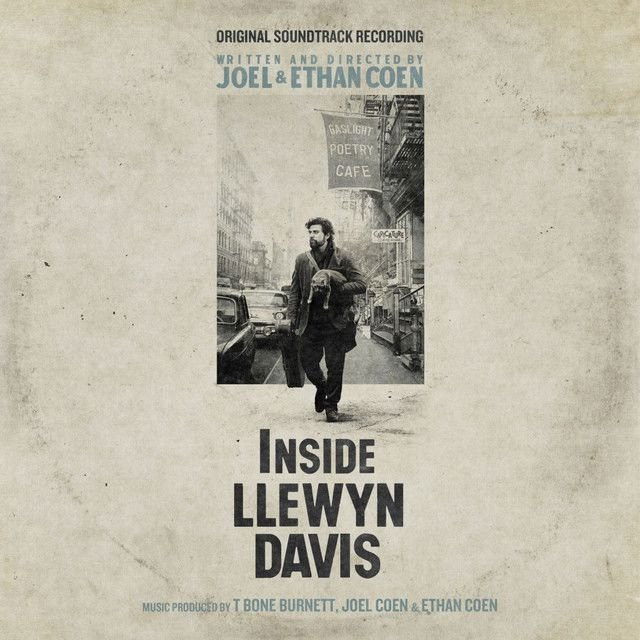
Hang Me, Oh Hang Me by Oscar Isaac, Punch Brothers, The Secret Sisters
The meaning of Hang Me, Oh Hang Me Oscar Isaac, Punch Brothers, The Secret Sisters starts with a hard truth: this is a song about death, but it is also about movement, poverty, and the weary freedom of a drifter. In their version, the old folk song feels both ancient and immediate. They do not treat it like a museum piece. They make it sound lived-in.
"Hang Me, Oh Hang Me" - Oscar Isaac, Punch Brothers, The Secret Sisters
I'll be dead and gone
Hang me, oh hang me
Loading lyrics...
Unable to load lyrics
We're unable to display the lyrics at this time. Please try again later.
Best known to many listeners through Inside Llewyn Davis, the song appears early in the film’s musical world and helps set its cold, wandering mood. The soundtrack was produced by T Bone Burnett, whose work on the film leaned into American folk tradition and close, natural-sounding performances. That context matters because the song’s meaning is not just in the words. It is in how the performance feels: plain, fatalistic, and strangely warm.
A Gallows Song That Is Really About Weariness
At the surface, the narrator seems to accept execution. The repeated plea Hang me, oh hang me
sounds shocking at first, but the deeper point is resignation. They are not celebrating death. They are so worn down by life that death seems simpler than continued struggle.
The most revealing idea comes in the line about not fearing the hanging as much as lying in the grave for a long time. That twist gives the song its dark humor. It shows a speaker who can joke at the edge of death, a common feature in older folk ballads where pain and wit sit side by side.
Interpretation: the song is less about a specific crime than about a life pushed to its limit. The singer sounds like someone crushed by hunger, travel, and violence. Death becomes the final stop in a long chain of hardship.

Watch the official Hang Me, Oh Hang Me
music video
The Journey Matters as Much as the Rope
One reason the song feels bigger than a simple execution ballad is the travel imagery. The narrator says all around this world
and names places like Cape Girardeau and Arkansas. Those details make the voice sound rooted in real geography, but they also suggest a wider American drifter story.
This person has been moving for a long time, likely by need rather than choice. When the song mentions hunger so severe the singer could barely stand, it ties wandering to poverty. They are not a romantic adventurer. They are a poor traveler surviving one day at a time.
A rough life in a few images
The verses build a life story with quick snapshots:
- They roam from place to place.
- They suffer extreme hunger.
- They arm themselves and make a stand.
- They face capture and execution.
That compression is part of the song’s power. In just a few scenes, it moves from road song to outlaw ballad to death song.
Violence, Pride, and the Folk Outlaw Voice
The mountain verse adds another layer. When the narrator sings about a rifle on my shoulder
and a dagger in hand, the song shifts from helplessness to defiance. Even if they are doomed, they still claim a moment of agency.
That matters because folk songs often blur the line between victim and rebel. The singer may be guilty, innocent, or somewhere in between. The lyric never explains. Instead, it presents a person who has lived close to danger and now meets the end with bitter calm.
Interpretation: this ambiguity is central to the song’s meaning. It lets the narrator stand for many figures at once: an outlaw, a laborer, a wanderer, or any person trapped by harsh conditions.
Why This Version Hits So Hard
Oscar Isaac, Punch Brothers, and The Secret Sisters bring different strengths to the performance. Isaac’s vocal style in the Inside Llewyn Davis era is intimate and tired, which suits a song built on endurance. Punch Brothers bring precise acoustic playing shaped by bluegrass and chamber-folk skill, while The Secret Sisters add old-time harmony weight.
The arrangement stays lean. That is important. A busier production could turn the song into drama for its own sake, but this version keeps the focus on the burden in the voice. The acoustic strings and vocal blend make the performance feel communal, as if the singer’s pain belongs to a larger tradition of American hardship songs.
There is also a tension between beauty and brutality. The harmonies are lovely, yet the story is grim. That contrast reflects how folk music often works: suffering is made singable, not to soften it, but to make it bearable.
Film Context Deepens the Meaning
In Inside Llewyn Davis, songs are not random decoration. They reveal the emotional climate around the characters. This track helps define the world as one of cold apartments, uncertain work, and constant motion. That fits the song perfectly.
Even outside the film, listeners often hear this version as a portrait of the struggling artist. The repeated motion, the exhaustion, and the fatalism mirror a person who keeps going without reward. That reading is not stated outright in the lyric, but the soundtrack context encourages it.
A key emotional contrast
Wouldn't mind the hanging
But the layin' in a grave
Those lines capture the song’s bleak joke: the worst part is not the dramatic end, but the long stillness after it. The singer fears emptiness as much as death itself.
So What Is the Song Really Saying?
The clearest answer is that the song turns an execution ballad into a meditation on a battered life. Its speaker has seen too much, eaten too little, traveled too far, and reached the point where the end feels almost ordinary.
The meaning of Hang Me, Oh Hang Me Oscar Isaac, Punch Brothers, The Secret Sisters lies in that mix of toughness and defeat. It is about how hardship can flatten fear. It is also about how folk music gives dignity to people living on the edge.
Their version resonates because they do not overplay the tragedy. They let the old melody, close harmonies, and plainspoken delivery carry it. The result is a song that feels haunted, human, and strangely tender.
Disclaimer: Song meaning is always part fact, part interpretation. This article separates documented context from reasonable reading, but listeners may hear the song differently.








