Why "I Like It, I Love It" Still Works
The meaning of I Like It, I Love It Tim McGraw comes down to one big idea: falling hard can make ordinary life feel funny, messy, and thrilling all at once. Instead of treating romance like a grand tragedy or a deep confession, the song turns infatuation into a series of everyday changes. The singer spends too much money, loses sleep, skips old routines, and still sounds glad about all of it.
"I Like It, I Love It" - Tim McGraw
I throwed out my shoulder but I won her that teddy bear
She's got me saying sugar-pie, honey, darlin', and dear
Loading lyrics...
Unable to load lyrics
We're unable to display the lyrics at this time. Please try again later.
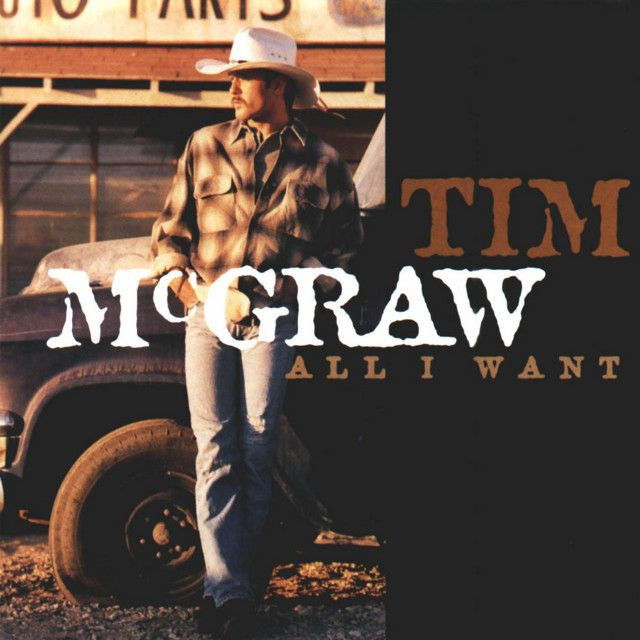
Recorded by Tim McGraw and released on July 31, 1995 as the lead single from All I Want, the song became his third No. 1 on Billboard’s Hot Country Songs chart and was recorded at FAME Studios in Muscle Shoals, Alabama. It was written by Jeb Stuart Anderson, Steve Dukes, and Mark Hall, and produced by Byron Gallimore and James Stroud. Those facts help explain why it feels so polished and durable: it sits right in the center of McGraw’s rise as a 1990s country star.
A Love Song Built From Everyday Proof
At its core, this is a song about behavior, not abstract emotion. The verses do not just say he is in love. They show it through small acts and mild self-destruction. He blows money at the fair, strains himself trying to win a prize, and lets old hobbies slide. When he says won her that teddy bear
, the point is not the toy itself. The point is that he is trying hard to please her, even in silly ways.
That pattern continues throughout the song. He is tired, distracted, and no longer living like the same guy his friends knew. Yet the tone never turns bitter. Quite the opposite: every inconvenience becomes evidence that the relationship is worth it.
Interpretation: the song treats love as a cheerful loss of control. He knows he is acting differently, but he enjoys the transformation.
Watch the official I Like It, I Love It
music video
The Chorus Turns Crush Into Commitment
The famous hook is blunt on purpose. When the singer repeats I like it, I love it
and want some more of it
, he moves step by step from attraction to craving. This is not subtle writing, but that is why it works. The chorus feels like a plainspoken country version of obsession.
It also gives the verses a frame. All those details about fairs, chores, and missed sleep are not random jokes. They are proof that he cannot resist what this relationship gives him. Even when he says he can't rise above it
, the line sounds more amused than ashamed.
Why the Hook Feels So Memorable
The chorus uses repetition like a sales pitch to the heart. Each phrase builds on the last one, and the melody makes the feeling easy to chant along with. That singalong quality helped the track cross over beyond country radio, where it also reached No. 25 on the Billboard Hot 100.
Romance Changes His Manners
One of the smartest parts of the lyric is how love reshapes the singer’s character. He says his parents tried to teach him courtesy, but romance finally made the lesson stick. Suddenly he is opening doors, helping out, and cleaning up his space.
When the song mentions openin' up doors
, it is about more than politeness. It shows that affection is changing how he moves through the world. He is becoming more thoughtful because he wants to be worthy of her attention.
Interpretation: the song suggests that love can mature someone without making them less playful. He is still the same country guy, but now his rough edges soften.
A Small-Town Story With Big Pop Energy
The setting matters. County fairs, trucks, sofas, and chores make the song feel grounded in a very American, everyday world. That is part of why the track connected so strongly with U.S. listeners in 1995. It is not selling a fantasy of luxury. It is finding romance in normal life.
Musically, the record supports that message. Its brisk tempo, bright guitars, and punchy rhythm section give the song a forward push that matches the narrator’s excitement. McGraw’s vocal delivery also matters: he sounds eager and slightly breathless, never tortured. The production keeps things clean and upbeat, closer to country radio fun than heartbreak ballad drama.
dress up
watch TV
move a little closer
That brief scene captures the song’s emotional scale. The night is simple, even ordinary, but to the singer it feels electric.
Why It Became a Tim McGraw Signature
This song arrived during a key stretch in McGraw’s career, when he was building a dependable image: warm, accessible, energetic, and rooted in everyday stories. All I Want helped cement that identity, and this lead single was central to it.
It also aged well because its idea is timeless. Most people recognize the feeling of acting a little irrational when a romance is new. The song does not judge that feeling. It celebrates it.
The Lasting Meaning of the Song
So, the meaning of I Like It, I Love It Tim McGraw is not complicated, but it is sharp. It says love is not always poetic. Sometimes it looks like spending too much at the fair, cleaning the house, losing sleep, and still grinning through it.
That simplicity is the song’s strength. It turns infatuation into a vivid, funny portrait of everyday devotion, and the music makes that devotion feel impossible not to share.
Disclaimer: This interpretation focuses on the song’s lyrics, performance, and release context. As with any song, listeners may hear meanings that differ from this reading.