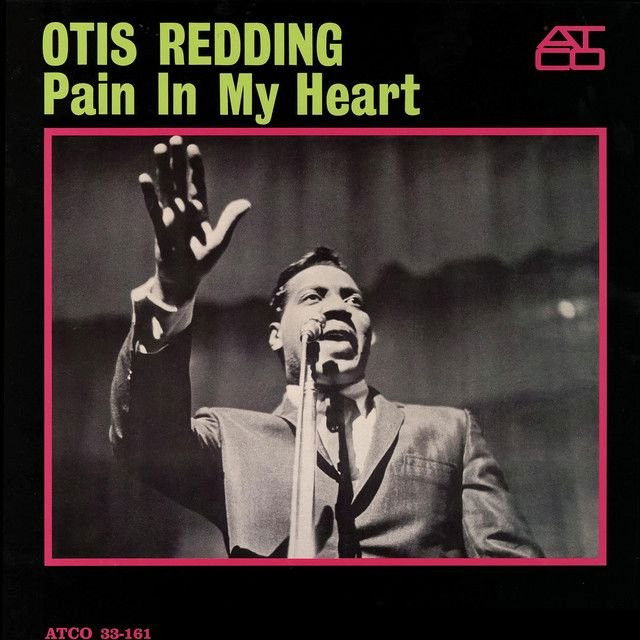
Stand By Me by Otis Redding
Otis Redding turns a promise into a plea. If you’re searching for the meaning of Stand By Me Otis Redding, start with the way his voice leans into need. Where Ben E. King’s 1961 original is stately and serene, Redding’s 1964 cover sounds urgent, churchy, and face-to-face. It’s not just about romance; it’s about survival with someone at your side.
"Stand by Me" - Otis Redding
And the land is dark
And the moon is the only
Loading lyrics...
Unable to load lyrics
We're unable to display the lyrics at this time. Please try again later.
A vow made human: what Otis is really saying
At its core, the song asks for steady loyalty when life turns dark. The image in when the night has come
sets a scene of fear and isolation. Redding answers that fear with determination through I won't be afraid
, but he makes clear that courage depends on connection: stand by me
.
Interpretation: Redding’s phrasing shifts the lyric from a general promise to a personal plea. His delivery carries sweat and urgency, like someone trying to keep it together mid-crisis. The result is an anthem of mutual aid—one person’s strength multiplied by another’s presence.

Watch the official Stand by Me
music video
Who’s speaking, and to whom, in Redding’s cut
The narrator is first person, addressing a single trusted person as “darling.” Lines like whenever I'm in trouble
and asking for a little helping hand
move the song beyond poetic reassurance. They sound practical: help me up, now.
Interpretation: Recorded in 1964 Memphis, Redding’s voice sits in the real-world tension of the era. Heard in that light, the appeal can read as broader than romance—community asking community to hold fast in uncertain times. The add‑ons he sings (not found in every prior version) make the need feel communal, not just intimate.
What changes from the famous original
Ben E. King’s version is built on a signature bass pattern, strings, and calm resolve. Otis Redding keeps the core message but changes the feel and emphasis.
- He intensifies the stakes, leaning into apocalyptic images like
mountains may crumble
as if the world might give way under his feet. - He personalizes the need, improvising calls for support (“come pick me up” in his ad‑lib style) that sound spontaneous, not scripted.
- He turns reassurance into conversation: you can hear him asking, answering, and pushing for a reply, collapsing the distance between singer and listener.
Interpretation: In Redding’s hands, the song is less a lullaby and more a live negotiation with fear—held steady by human touch.
The sound of Southern soul carrying the message
Redding’s cover was cut at Stax in Memphis, with the label’s house band shaping a lean Southern soul groove. Instead of lush strings, you get churchy organ, terse guitar, and a tight rhythm section that walks forward, not back. Horns answer his phrases like an amen corner.
That arrangement does more than decorate; it reframes meaning. The swaying backbeat suggests motion—someone lifting you off the floor and helping you stand. Redding’s phrasing squeezes notes at the edge of pitch, a classic soul move that signals vulnerability and fight. Even though the harmony traces the classic ’50s pop progression often linked to this song, the grit makes it feel newly earned, not merely familiar.
Why the refrain still stings
Each return to stand by me
lands like the heart of the contract: presence is power. In King’s recording, the refrain is a calm vow; in Redding’s, it’s a pressure point. He keeps circling the phrase until it feels like a promise you must either accept or refuse.
Interpretation: That repetition turns the chorus into a ritual. By the song’s end, they haven’t just heard the plea—they’ve joined it.
Alternate readings that fit Redding’s delivery
- Romantic: a lover’s request to face the night together.
- Friendship/family: the everyday ask for backup when money, health, or mood slips.
- Spiritual: a secularized psalm—human presence standing in for divine protection.
All three readings are supported by his added plain‑spoken lines and by the call‑and‑response feel of the Stax arrangement.
Final takeaway: what the meaning of Stand By Me Otis Redding gives listeners
Redding keeps the song’s timeless core—loyalty in dark hours—while pulling it closer to the street and the church pew. His voice makes the promise cost something, and that cost is what gives the pledge its power. The message endures: courage grows when someone stays.
Disclaimer: Song meanings are interpretations based on lyrics, performance, and context; the artist’s intent may differ.









