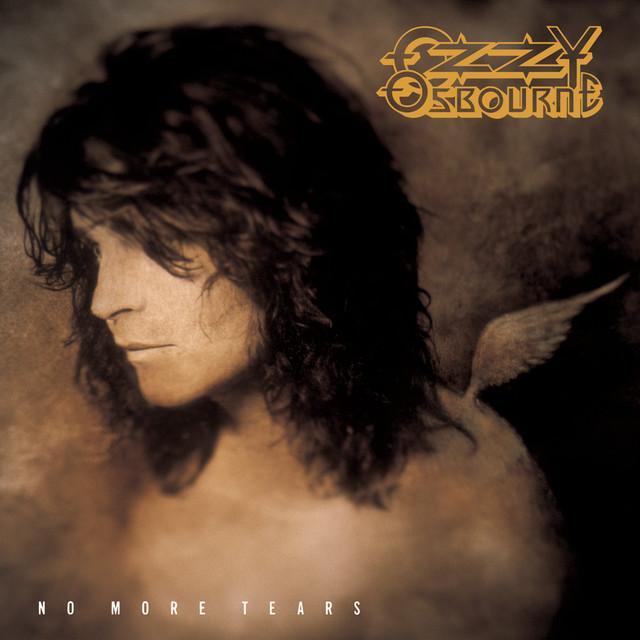
No More Tears by Ozzy Osbourne
The meaning of No More Tears Ozzy Osbourne starts with a trap. The title sounds like a sad ballad or maybe a song about healing. But the track turns that phrase into something colder and more frightening.
"No More Tears" - Ozzy Osbourne
A stairway to darkness in the blink of an eye
A levee of tears to learn she'll never be coming back
Loading lyrics...
Unable to load lyrics
We're unable to display the lyrics at this time. Please try again later.
Released in 1991 as the title track and first single from Ozzy Osbourne’s sixth solo album, the song became one of the biggest statements of their comeback era. It reached No. 5 on Billboard’s Mainstream Rock chart and helped define the No More Tears album, which later sold more than four million copies in the U.S. according to Songfacts and chart histories summarized by Wikipedia.
The Dark Story Hiding Behind the Hook
At the most direct level, the song is widely described as being about a serial killer or violent stalker. That reading is not just fan theory. Reference sources note that Ozzy said the song was about a serial killer, and Songfacts calls it a macabre story about a predator haunting women in a red-light district.
That explains why the opening images feel so unstable. The song begins with a world where light is already broken, and safety is gone in an instant. Phrases like crack in the sky
and stairway to darkness
make the setting feel unreal, almost like a nightmare that is slowly becoming real.
Interpretation: The song works because it never sounds like a police report. Instead, it paints panic and dread from the inside. The listener does not just hear about danger; they are dropped into it.

Watch the official No More Tears
music video
Who Seems to Be Speaking Here?
One reason the lyrics feel disturbing is that the point of view keeps shifting. At times, the voice seems to be watching someone. At other moments, it sounds like the victim’s fear. Then it becomes intimate in a way that feels deeply wrong.
When the lyric warns about talk to strangers
, it twists a familiar childhood lesson into adult terror. Later, a line like your lips are so cold
pushes the song from stalking into aftermath. The language sounds tender on the surface, but in context it feels cruel and possessive.
Interpretation: That shifting voice may be intentional. It blurs the line between hunter, victim, and witness, which makes the track more cinematic and more unsettling.
Why the Chorus Changes Everything
The chorus repeats No more tears
, and that is the song’s smartest trick. In another song, that phrase might mean comfort, relief, or the end of heartbreak. Here it sounds final, almost like a verdict.
Because the verses are full of threat, the chorus does not feel hopeful. It feels like the predator deciding that suffering is over because life itself is over. That gap between the words and the meaning gives the song much of its power.
No more tears
No more tears
This is the article’s one brief multi-line quote, and even here the repetition matters more than the words themselves. It lands like a chant, not a consolation.
The Images That Build the Fear
The song’s imagery is simple but effective. A few recurring motifs carry the whole story:
- Night and corners: danger hides just out of sight.
- Mirrors: fear becomes self-awareness.
- Red light: the setting suggests vice, exposure, and vulnerability.
- Tears: sorrow becomes a grim symbol of finality.
The line about the red light goes on
is especially important. It suggests a district where people are exposed and preyed upon, but it also feels theatrical, like a signal that the violence is about to begin.
There is also the strange repeated phrase about a hand in a bush. It has always stood out as odd and fragmented. Interpretation: Rather than offering a clear clue, it adds to the song’s dream logic. It feels like a flash of evidence, a half-seen movement, or a broken thought from a damaged mind.
How the Music Carries the Meaning
Part of the meaning of No More Tears Ozzy Osbourne comes from sound, not just lyrics. The song grew out of a rehearsal jam. As Songfacts reports, Zakk Wylde said Mike Inez started the bass part, then Randy Castillo added drums, and keyboard ideas followed. Recording credits later listed John Purdell and Duane Baron as producers, with the final studio track featuring Bob Daisley on bass, as summarized by Wikipedia.
That origin matters. The track feels built from a groove first, then expanded into a long, stalking epic. The bass intro slinks instead of sprinting. The drums are heavy but controlled. Wylde’s guitar turns the song wider and more dramatic, giving it a progressive edge that critics have often noted.
The result is a song that moves like a pursuer: slow, confident, then explosive. Ozzy’s vocal delivery adds another layer. They never oversell the horror. That restraint makes the menace hit harder.
Why It Mattered in 1991
The song arrived during a key moment in Ozzy’s solo career. The No More Tears album followed years of chaos and, according to multiple retrospective accounts, marked a sober and revitalized period. American Songwriter described the album as part of a career resurrection, while Rolling Stone Australia highlighted how the song helped carry Ozzy into the 1990s.
That context matters because the track is both classic Ozzy and unusually ambitious. It has the theatrical darkness people expected, but it also has a bigger structure and sharper sense of atmosphere than a standard metal single.
The Lasting Meaning
So what is "No More Tears" really about? Factually, the strongest evidence points to a song about a killer stalking and attacking victims. Interpretation: At a deeper level, it is also about the way fear distorts space, language, and even tenderness.
That is why the song lasts. It takes a simple phrase and turns it into one of metal’s most chilling hooks.
Disclaimer: This interpretation mixes documented context with lyrical analysis. As with many songs, listeners may hear meanings beyond what the writers intended.
Sources
- https://www.songfacts.com/facts/ozzy-osbourne/no-more-tears
- https://en.wikipedia.org/wiki/No_More_Tears_(Ozzy_Osbourne_song)
- https://americansongwriter.com/the-serial-killer-meaning-behind-ozzy-osbournes-resurrecting-hit-no-more-tears
- https://au.rollingstone.com/music/music-lists/-80360/no-more-tears-1991-80377







