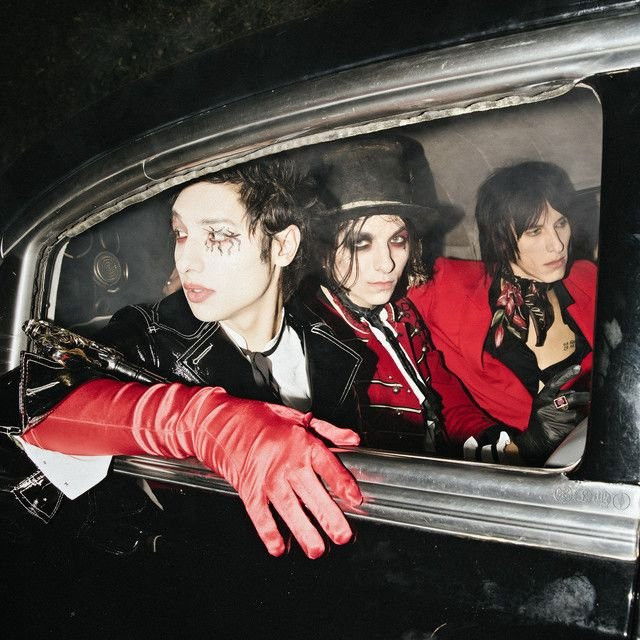
Why Palaye Royale Call It a New American Dream
The meaning of Massacre, The New American Dream Palaye Royale starts with a harsh reversal. The song takes one of the most famous ideas in U.S. culture—the American Dream—and turns it into a nightmare. Instead of promise, it shows a country where public violence, political frustration, and emotional burnout feel normal.
"Massacre, The New American Dream" - Palaye Royale
(Come on) a massacre's the new American dream
(Come on) and all the kids on the murder scene
Loading lyrics...
Unable to load lyrics
We're unable to display the lyrics at this time. Please try again later.
Palaye Royale released the stand-alone single in 2019, and contemporary reporting described it as a protest song aimed at gun violence, distrust in government, and generational anger. Loudwire also reported that proceeds from the single were set to benefit Giffords and March for Our Lives, which matters because it shows the band were tying the song to activism, not just shock value.
A Protest Song Disguised as a Punk Anthem
At the most direct level, the track argues that America has grown used to mass violence. The title phrase is the key idea. When the band repeat new American dream
, they are not praising the country. They are accusing it of accepting tragedy as routine.
That accusation gets sharper in the hook, where the repeated word massacre
becomes almost like a chant. The effect is disturbing on purpose. It sounds like a slogan, which is exactly the point: the song suggests that repeated public killings have become so common that they now feel built into everyday life.
Palaye Royale said in a statement quoted by Loudwire that This is a protest
. That brief comment helps frame the whole song. They were not hiding behind ambiguity; they were aiming for confrontation.

Watch the official Massacre, The New American Dream
music video
How the Verses Build a Broken Social Picture
The verses widen the song beyond one issue. They connect gun violence to systems that shape people long before a shooting happens. One line points to being fed lies
from birth, which suggests distrust of institutions, media, and national myths.
Another passage connects medicine, despair, and access to firearms. The song does not present a careful policy essay, and it should not be read as one. Instead, it voices rage at a culture that seems quick to medicate pain, slow to address root causes, and still willing to arm people in crisis.
Interpretation: this is why the song feels bigger than a single headline. It is not only about shooters. It is about the conditions around them: numbness, alienation, failed leadership, and a public that keeps moving on.
“Generation Y” and the Question of Numbness
One of the smartest moves in the lyric is the wordplay around Generation Y
and casual casualties
. In plain terms, the song asks why younger generations have been forced to grow up with mass shootings as background noise.
That question lands because it is not abstract. The lyrics mention churches, schools, and synagogues, then point to places associated with infamous shootings, including Virginia Tech and Columbine. The song’s argument is that these events are no longer felt as rare shocks. They have become familiar settings in American life.
Generation Y
Generation why are we
so casual 'bout these casualties?
That short section works like the song’s moral center. It captures grief, disbelief, and frustration in one burst. The issue is not only violence itself, but the way repetition trains the public to accept it.
The Personal Voice Inside the Public Anger
Even with its protest framing, the song still includes personal details. The narrator mentions going from homelessness to television, which adds a biographical edge. It suggests someone who has seen instability up close and now looks back at the country with very little patience for comforting myths.
That matters because it keeps the song from sounding purely rhetorical. They are not speaking as detached commentators. They sound like people who feel wounded by the culture they are criticizing.
Interpretation: the personal lines imply that the “American dream” has always been uneven and exclusionary. In that reading, the title is not just about shootings on the news. It is also about a national promise that has failed many people long before violence erupts.
Why the Sound Feels So Aggressive
Musically, the song delivers its message through blunt force. The beat drives forward, the guitars hit hard, and the chorus is built for shouting rather than reflection. That production choice is important because a quieter arrangement would have softened the message.
Instead, the band use repetition like a weapon. The hook keeps coming back until it feels inescapable, much like the news cycle the lyrics describe. The vocals also swing between accusation and exhaustion, which mirrors the song’s two main emotions: outrage at public failure and fatigue from seeing the same horror again and again.
This is why the track works as both rock song and protest chant. It is catchy enough to stick, but abrasive enough to keep the listener uncomfortable.
The Big Idea Behind the Song
So what is the meaning of Massacre, The New American Dream Palaye Royale? In simple terms, it is a furious statement that America has normalized the unacceptable. It says mass death, media spectacle, and political inaction have become part of the country’s identity, especially for younger people.
The song does not offer a neat solution. Its job is to reject passivity. By turning a patriotic phrase into an indictment, Palaye Royale force listeners to ask whether the nation they were promised is the one they are actually living in.
That is why the song still hits. It treats public violence not as an isolated tragedy, but as a symptom of a deeper social collapse.
Interpretation disclaimer: song meaning is never fully fixed. This reading is based on the lyrics, the band’s public statement, and the song’s musical presentation, but listeners may hear different emphases within the same track.








