Why 'Nicotine' Turns Love Into a Habit
For listeners searching for the meaning of Nicotine Panic! at the Disco, the song lands its point fast: this is not just about romance. It is about dependency. The narrator knows the relationship is damaging, yet they keep returning to it like a craving they cannot shut off.
"Nicotine" - Panic! at the Disco
Cross my heart and hope to die
Burn my lungs and curse my eyes
Loading lyrics...
Unable to load lyrics
We're unable to display the lyrics at this time. Please try again later.
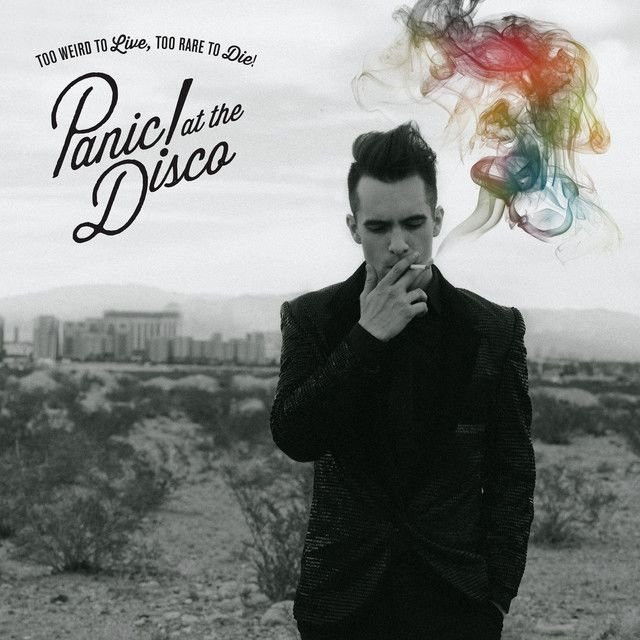
Released on Too Weird to Live, Too Rare to Die! in 2013 and later pushed as a single in 2014, Nicotine
became one of the album's clearest examples of Panic! at the Disco blending pop shine with emotional self-destruction. According to background details reported by Wikipedia, Brendon Urie began writing it in New York with Amir Salem and Dallon Weekes, combining quitting smoking with relationship turmoil. That origin matters because the song's metaphor is not random; it is built from two forms of withdrawal.
A Toxic Romance in Plain Sight
At its core, the song describes a person who feels trapped by desire. They are not confused about whether the relationship is healthy. They already know it is ruining their control, dulling their judgment, and making them act against their own interests.
Early lines describe that loss of agency with images of the body and mind breaking down. When the narrator says they have lost control
and have been hijacked
, the song frames love as an invasion. This is more than heartbreak. It sounds like compulsion.
Interpretation: The central idea is that the relationship works like an addiction cycle:
- The person feels the high.
- They recognize the damage.
- They try to leave.
- They come back anyway.
That loop is what gives the song its bite.

Watch the official Nicotine
music video
Why the Nicotine Metaphor Works So Well
The title image does a lot of work. Nicotine is not just dangerous in the abstract; it is habit-forming, physical, and hard to quit. By comparing a lover to that substance, the song turns attraction into something chemical.
The key hook, worse than nicotine
, raises the emotional stakes. The narrator is not only saying this person is bad for them. They are saying the attachment is stronger than a known addiction. That makes the relationship feel both intimate and frightening.
Brendon Urie reportedly explained the song as a situation like answering a message they know they should ignore because it feels good in the moment, then leaves regret after. That idea, summarized in the song's backstory at Wikipedia, fits the lyrics closely. Pleasure and shame keep arriving together.
The Story the Verses Tell
The verses move like someone talking themselves through a relapse. First comes physical damage and emotional numbness. Then comes the reminder of the other person's hold. The line about tasting them on the lips suggests memory is part of the trap; even absence feels present.
Later, the song tries to sound decisive. The narrator promises just one more hit
and then says they will cut ties. That sounds like the language of quitting, but it also reveals the weakness in the promise. People caught in addictive cycles often bargain before they actually break free.
Just one more hit
and then we're through
That brief moment captures the song's tension perfectly. The speaker wants escape, but even their exit speech still uses the logic of craving.
How the Chorus Changes the Meaning
The chorus is catchy enough to sound almost playful, but its message is bleak. Each return to the title idea confirms that the narrator is measuring love by damage, not comfort. This is why the song feels bigger than a simple breakup track.
Interpretation: The chorus works like a confession they cannot stop repeating. Instead of solving the problem, the hook proves how deep the obsession goes. They know exactly what this person is doing to them, and that knowledge does not free them.
Sound, Production, and the Rush of Obsession
Part of the meaning of Nicotine Panic! at the Disco comes from how upbeat it sounds. The production, credited to Butch Walker, pairs house-style drums with sharp guitar riffs and polished hooks, as noted in the song's composition summary at Wikipedia. That contrast is important.
The instrumental feels fast, glossy, and immediate. Instead of sounding heavy and miserable, the track moves with the energy of a rush. That mirrors addiction well: the experience can feel exciting while it is hurting the person living through it.
Urie's vocal also sells the split between desire and disgust. He sings with urgency, pushing the melody forward, but the words keep returning to numbness, drag, and frustration. The performance makes self-awareness sound powerless.
Artist Context Around the Track
"Nicotine" was the fifth track on Too Weird to Live, Too Rare to Die!, Panic! at the Disco's fourth studio album, released October 8, 2013, and later became the fourth single on May 6, 2014, according to Wikipedia. The song was eventually certified Platinum in the United States by the RIAA, also noted there, which shows how strongly its hook connected with listeners.
That popularity makes sense. Panic! often wrote songs that dressed dark feelings in bright, theatrical pop-rock. "Nicotine" is a clean example of that formula: stylish on the surface, messy underneath.
A Final Reading of the Song
The best way to understand "Nicotine" is as a song about wanting what hurts. It shows a narrator who can name the poison, describe the symptoms, and still reach for more. That is why the metaphor hits so hard. The relationship is not mysterious. It is simply hard to quit.
For many listeners, that is the real power of the song. It understands that self-destructive love is rarely romantic when seen clearly. It feels compulsive, embarrassing, and real.
Disclaimer: This article offers interpretation based on the lyrics, available song background, and production context. Like most art, the song can support more than one valid reading.








