What "Mona Lisa" Really Hides
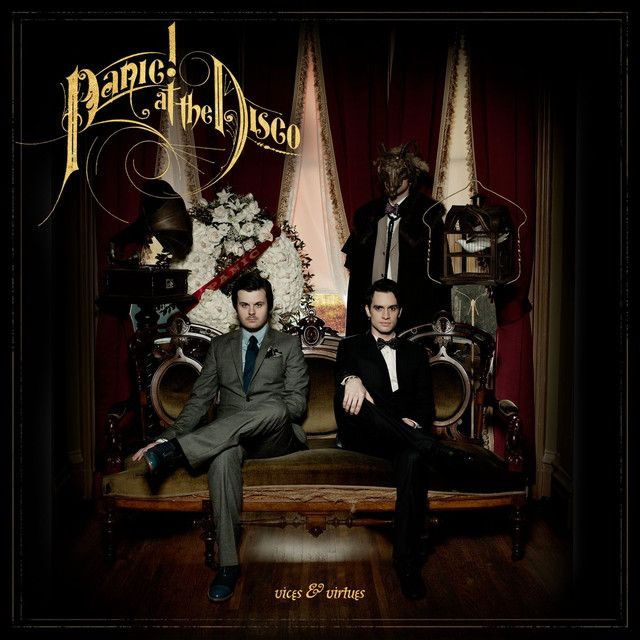
The meaning of The Ballad Of Mona Lisa Panic! at the Disco comes down to one big idea: a person can look calm, beautiful, and in control while hiding a fight inside. Released on February 1, 2011 as the lead single from Vices & Virtues, the song marked an important new chapter for Panic! at the Disco and helped reintroduce their dramatic, theatrical style after a period of change in the band.[1]
"The Ballad Of Mona Lisa" - Panic! at the Disco
He starts to notice empty bottles of gin
And takes a moment to assess the sin she's paid for
Loading lyrics...
Unable to load lyrics
We're unable to display the lyrics at this time. Please try again later.
The Mask at the Center of the Song
At its core, the song is about emotional disguise. Brendon Urie explained that Mona Lisa stood for a face that reveals very little, echoing the famous painting’s unreadable expression.[1] In his description, the song deals with inner struggle, duality, and the effort to fix bad habits while still feeling pulled toward them.
That explanation helps make sense of the opening images. A line like close precision
suggests careful self-presentation. The song’s woman figure seems composed and polished, but the details around her point to damage, dependence, and performance. The narrator notices signs that this beauty may be a costume rather than the truth.
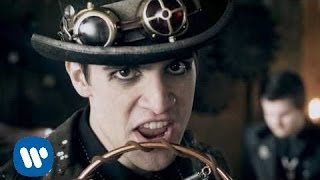
Watch the official The Ballad Of Mona Lisa
music video
Verse by Verse, the Story Turns Dark
The first verse introduces a scene that feels intimate but uneasy. The mention of empty bottles of gin
hints at excess, regret, or numbing pain. Then the song shifts into a strange conversation where one person talks and the other only half understands, as if meaning is getting lost in the room.
That matters because the song is full of buying, selling, and transactional language. When it says just a taste
, it suggests temptation in a small dose—something someone tells themselves is harmless. Interpretation: this can point to alcohol, lust, attention, or any vice that feels manageable until it is not.
A Relationship or a Mirror?
There are two strong ways to read the song:
- A troubled relationship: one person is drawn to someone seductive but emotionally unavailable.
- A split self-portrait: “he” and “she” reflect different sides of the same person.
Both readings fit Urie’s own comments about duality and self-conflict.[1] The song works because it never fully locks into only one storyline.
Why the Chorus Feels Bigger Than the Plot
The chorus turns private tension into public myth. Calling Mona Lisa the one who could run this town
gives her social power, charm, and almost legendary appeal. But then comes the twist: the narrator would pay to see you frown
.
That is the emotional key to the whole song. They do not just want beauty or mystery. They want honesty. They want the mask to crack long enough to show real feeling.
In simple terms, the chorus says that a person can be adored by everyone and still remain unknowable. The narrator is fascinated by that power, yet also frustrated by it.
The Pre-Chorus Is the Real Plea
Before each chorus, the song stops posing and starts begging. The request for truth and belief sounds less like swagger and more like insecurity. The speaker wants someone to say what they mean and offer a sign that things are real.
Say what you mean
Give me a sign
This short plea changes the song’s tone. Beneath the stylish imagery and dramatic title, there is a simple human need: reassurance. Interpretation: the narrator may be asking another person for sincerity, or asking themselves to stop hiding.
Sound and Production: Theater With Teeth
Musically, the track helps carry that meaning. It was written by Brendon Urie, Spencer Smith, Butch Walker, and John Feldmann, and produced by Walker and Feldmann.[1] The arrangement blends alternative rock energy with pop-rock hooks and a touch of cabaret drama, a style many critics linked back to the band’s earlier sound.[1]
The verses feel tense and controlled, with crisp rhythm and a stage-musical mood. Then the chorus opens wide into a bright, punchy release. That shift mirrors the lyric theme: tight emotional restraint suddenly bursting into confession.
Critics responded to exactly that mix. Spin called it an anthemic rock song with darker undertones, while USA Today described it as a midtempo rocker rather than a true ballad.[1] That contrast fits the title well. It calls itself a “ballad,” but it moves with urgency, as if emotion is trying to outrun itself.
Context Matters: A New Era for Panic!
The song also carries extra weight in Panic! at the Disco’s timeline. It opened Vices & Virtues and arrived after lineup changes, making it feel like both a reset and a return. Urie said the idea had been sitting around for years before it became a gateway into the album’s writing process.[1]
That history strengthens the song’s theme of revision and self-examination. A track about trying to read hidden feelings became the first big statement of a reshaped band. It later reached No. 89 on the Billboard Hot 100 and earned long-term popularity, including Platinum certification in the United States.[1]
Final Reading: Beauty, Control, and Cracks in the Surface
So what is the meaning of The Ballad Of Mona Lisa Panic! at the Disco? Most clearly, it is a song about the tension between image and truth. It admires beauty and charisma, but it also distrusts surfaces that never break.
The genius of the song is that it treats mystery as both seductive and painful. Mona Lisa is powerful because nobody can fully read her. But that same unreadability leaves the narrator hungry for a real emotional signal.
Disclaimer: This interpretation combines confirmed artist comments with lyrical analysis. As with most songs, some meanings remain open to the listener’s own reading.








