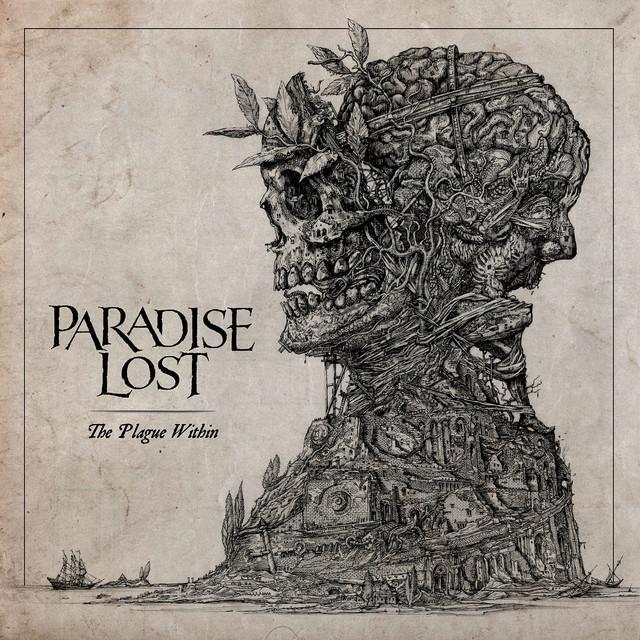
No Hope in Sight by Paradise Lost
A Chorus That Refuses to Blink
The meaning of No Hope in Sight Paradise Lost starts with its title and hook: this is a song about living inside dread when relief never seems to arrive. Paradise Lost turn that idea into something bigger than simple sadness. They frame hopelessness as a condition that spreads across time, faith, the body, and the mind.
"No Hope in Sight" - Paradise Lost
Daylight before them dies
Enshrined the horrified
Loading lyrics...
Unable to load lyrics
We're unable to display the lyrics at this time. Please try again later.
Released on The Plague Within in 2015, the song fits a band long known for mixing doom, gothic atmosphere, and metal weight. In this track, they sound both grand and worn down, which matters because the lyrics are not just dark for effect. They feel like a report from someone who has been fighting for years.
Watch the official No Hope in Sight
music video
What the Lyrics Are Really Saying
At its core, the song describes a person facing emotional collapse while trying to endure it. The repeated phrase No hope in sight
is blunt, but the surrounding lines make it deeper. This is not only about one lost moment. It is about watching the future dim.
When the song mentions daylight before them dies
, it uses light as a symbol for relief, clarity, or meaning. Daylight should bring comfort. Instead, it disappears. That reversal tells listeners the speaker is stuck in a world where even normal signs of safety no longer work.
Another important phrase is It’s a battle
. That line shifts the song from passive sorrow to active survival. They are not describing despair as a mood alone. They are describing it as a daily conflict.
Fear, Obedience, and Numbness
The verses add a disturbing layer: the speaker seems trapped not only by pain but also by systems of control. The references to prayer, slavery, and sedation suggest a person trying to cope by submitting to something outside themselves, whether that is religion, routine, medication, or emotional shutdown.
When the lyric includes To obey
and then moves toward sedation, the song hints that survival may come at the cost of feeling fully alive. That idea fits Paradise Lost well. Their songs often explore how comfort can become confinement.
Interpretation: one reading is that the song is about depression, especially the kind that stretches across years. Another reading is that it is about aging under pressure, where fear grows stronger while joy fades. The lyric As the years start to fade
strongly supports both views.
The Song’s Timeline of Decline
The song does not tell a detailed story with characters and scenes. Instead, it moves through emotional stages:
- Hope is declared absent.
- Light and humor begin to die.
- The speaker seeks rescue through obedience or numbness.
- Age does not heal the wound.
- Life becomes an ongoing fight with fear.
That structure matters because it makes the song feel cyclical. The chorus keeps returning to the same point, as if the speaker cannot escape the thought.
"You'll face your fears
Through faded years"
This short passage is one of the clearest statements in the song. It suggests that fear is not a brief test. It is something carried through time, almost like a shadow following a person into later life.
Why the Chorus Hits So Hard
The chorus works because it is simple, heavy, and absolute. Paradise Lost do not soften the message with ambiguity. They repeat the central idea until it feels like a fact of existence.
That repetition mirrors mental spirals. In hard times, people often return to the same thought again and again. The song captures that loop musically and lyrically. Each return of the hook feels less like a new revelation and more like a sentence being confirmed.
Sound as Meaning, Not Decoration
The production is a big part of why the song lands. Paradise Lost build the track around crushing guitars, a steady mid-tempo pulse, and a mournful melodic shape. The result is heavy, but not chaotic. It feels controlled, almost ritualistic.
That control suits the lyric theme. The music sounds disciplined while the words describe inner damage. This tension gives the song power. They are not screaming in panic. They are enduring collapse with grim clarity.
Nick Holmes' vocal delivery also matters. He sings with restraint, which keeps the emotion from becoming melodrama. The voice sounds tired, stern, and human. That makes the hopelessness more believable.
According to the band's Nuclear Blast album materials, The Plague Within marked a strong return to harsher textures in their sound. That context helps explain why this track feels both polished and severe: the band are reconnecting with their darker roots while keeping a modern production style.
Alternate Readings Worth Considering
Interpretation: the song can be heard as a critique of false salvation. The line about a cold embrace being a savior in disguise suggests that what looks like rescue may actually be harmful. In that reading, the song warns against comfort that deadens rather than heals.
Interpretation: it can also be heard socially, not just personally. Phrases like the horrified and the dying light hint at a wider human condition. The song may describe a culture losing faith, humor, and direction.
The Lasting Meaning
The meaning of No Hope in Sight Paradise Lost lies in how directly it faces despair without pretending to solve it. The song is about endurance inside hopelessness, the fear of aging, and the danger of becoming numb just to survive.
What makes it memorable is that the band pair those ideas with music that feels massive and worn at the same time. They turn private pain into something almost ceremonial.
That is why the track still connects: it understands that sometimes the hardest part is not the first moment of pain, but the long stretch after, when the fight keeps going.
Disclaimer: This interpretation is based on the released lyrics, recorded performance, and publicly available band context. As with many songs, listeners may hear meanings that differ from this reading.








