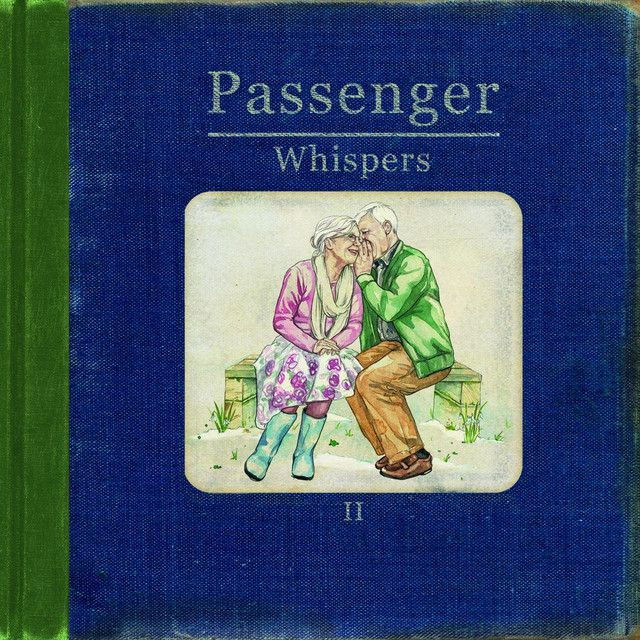
I'll Be Your Man by Passenger
A Plea, Not Just a Promise
The meaning of I'll Be Your Man Passenger starts with a simple idea: this is not a swaggering love song. It is a fragile one. The speaker is asking for one more chance to become the partner they should have been earlier, and that makes the song feel tender, guilty, and hopeful at once.
"I'll Be Your Man" - Passenger
While I still stand
Give me one last chance
Loading lyrics...
Unable to load lyrics
We're unable to display the lyrics at this time. Please try again later.
Passenger, the stage name of Michael David Rosenberg, is known for writing intimate folk-pop songs built on plain language and emotional honesty. On his All the Little Lights era material, that direct style often turns personal regret into something widely relatable. Here, they present love as an offer of change, but also as a last appeal before it is too late.

Watch the official I'll Be Your Man
music video
The Heart of the Song's Story
At its core, the song follows someone who knows they may be close to losing the person they love. They ask for a final opportunity to prove devotion. When the speaker repeats one last chance
, the wording matters. They do not act entitled to love. They sound aware that trust has already been damaged.
That is why the chorus lands with emotional weight. The promise I'll be your man
is not framed as a boast. It feels more like a vow made on shaky ground. They are saying: if this person lets them back in, they will finally show up with maturity, steadiness, and care.
Why the Imagery Feels So Unsteady
One of the strongest parts of the song is its imagery of things that cannot last. The speaker wants to build a house upon the sand
and hold water in their hands. Both pictures suggest instability. They are trying to save something that may already be slipping away.
Interpretation: these images show a person waking up to how weak their old approach to love has been. They may have wanted commitment before, but not in a grounded way. The song admits that desire alone is not enough if there is no real change behind it.
The same tension appears in the contrast between hurt and healing. The speaker invites their partner to bring old wounds and says they will try to mend them. That turns romance into care work. Love here is not about grand drama. It is about earning trust after pain.
A Voice Speaking From the Edge
The narrator speaks in the first person, but the emotional movement is what gives the song its force. At first, they beg. Then they imagine hope. Finally, they confess why this moment matters so much.
The key turning point comes when the speaker admits they never compromised
. That is a blunt self-portrait. It suggests pride, emotional distance, or a pattern of refusing to bend for another person. Instead of blaming the partner, the song turns inward.
This is where the track becomes more than a love plea. It becomes a song about growing up late. The speaker realizes that if they do not change now, they may reach old age full of regret. The reference to a shallow grave
pushes that fear into view. They are not only afraid of losing love. They are afraid of wasting their life.
The Chorus as a Last Attempt at Redemption
The repeated hook is simple, but simplicity is the point. By returning again and again to the same promise, the song shows how badly the speaker wants to make themselves understood.
Give me one last chance
AndI'll be your man
In plain terms, the chorus says that love must be matched by action. The speaker is not asking to be accepted as they are. They are asking for space to become better. That difference gives the song its emotional credibility.
How the Sound Supports the Meaning
Passenger's music usually leans on acoustic textures, soft percussion, and a vocal style that sounds close and unguarded. That matters here. A huge pop arrangement would have made the promise feel less believable. The lighter folk production leaves room for hesitation in the voice and vulnerability in the words.
The melody also helps the meaning. It rises in the plea-filled moments, then settles into the title line, almost like the song is reaching for certainty but never fully relaxing into it. That musical push and pull mirrors the lyrics: hope is present, but it is surrounded by doubt.
According to credits associated with Passenger releases and the song's publishing history, Rosenberg wrote the song himself, which fits the personal tone heard across his catalog and on Genius. Even without detailed production notes, the arrangement clearly serves confession rather than spectacle.
Two Strong Ways to Read It
Interpretation 1: the most direct reading is romantic. Someone has hurt or disappointed a partner and is making a final case for reconciliation.
Interpretation 2: it can also be heard as a broader reckoning with adulthood. The promise to be "your man" may mean becoming emotionally responsible at last, not just winning back one relationship.
Both readings work because the song ties love to character. It is not only about desire. It is about whether a person can truly change before time runs out.
Why the Song Still Connects
What makes this song memorable is its humility. It does not pretend that love is easy, pure, or guaranteed. Instead, it shows devotion as something that must be proven after mistakes, fear, and stubbornness.
For listeners searching for the meaning of I'll Be Your Man Passenger, the clearest answer is this: it is a song about last chances. It captures the painful moment when someone finally understands that love requires sacrifice, compromise, and action, then hopes that realization has not come too late.
Disclaimer: This interpretation is based on the lyrics, recording style, and publicly available artist context. As with any song, listeners may hear different meanings in it.







