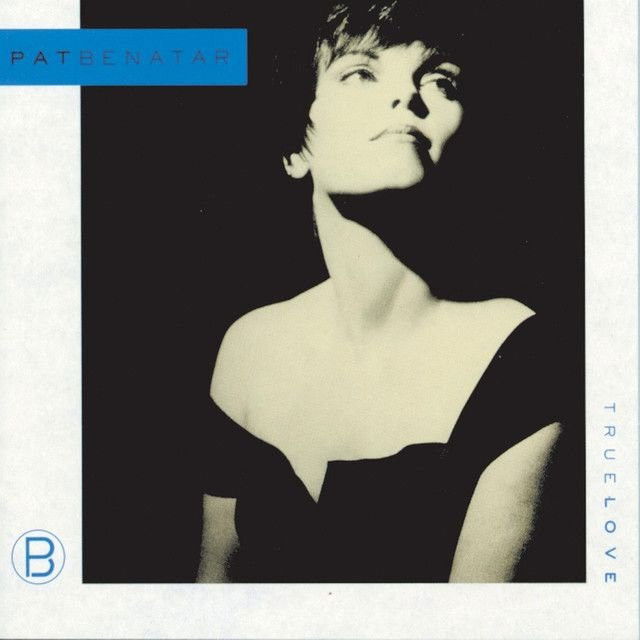
How 'I've Got Papers on You' Turns Love Into Control
The meaning of I've Got Papers on You Pat Benatar starts with a simple but unsettling idea: this is not a love song built on equality. It is a song about power. The speaker acts like a partner can be managed, directed, and even owned, using the language of rules, proof, and authority.
"I've Got Papers on You" - Pat Benatar
You gotta do what I say
I've got papers on you baby
Loading lyrics...
Unable to load lyrics
We're unable to display the lyrics at this time. Please try again later.
Pat Benatar did not write the song, but their version brings sharp rock energy to a lyric with deep blues roots. The result is tense and memorable. Instead of sounding sweet, the song feels like a warning.
The Core Message Hiding in Plain Sight
The central image is the repeated claim I've got papers on you
. Before and after that line, the song makes clear what the speaker thinks those “papers” mean: they believe they have the right to control another person. That is why the next demand, do what I say
, matters so much.
This is the song’s main tension. It talks about a close relationship, but the language sounds more like a contract, a command, or even a threat. The speaker is not asking for loyalty. They are declaring ownership.
Interpretation: Many listeners hear the song as a portrait of domination inside a relationship. It may not endorse that behavior so much as dramatize it. Blues songs often use extreme voices and bold talk, and this one leans hard into that tradition.
Watch the official I've Got Papers on You
music video
Who Is Speaking, and Why They Sound So Harsh
The narrator speaks in first person and addresses a partner directly. Their voice is blunt, older, and certain of itself. When the singer says they are too old to play
, the idea is not maturity in a gentle sense. It sounds like impatience. They believe the time for debate is over.
That changes how the whole song lands. The speaker frames obedience as common sense, not cruelty. They act as if the rules should already be understood. In that way, the song captures a mindset where care and control get mixed together.
A Relationship Written Like a Rulebook
One of the song’s smartest details is the way it turns daily order into emotional order. The line about red light means stop
and green meaning go reduces a relationship to signals and commands. The speaker wants life to work like traffic: simple, visible, and unquestioned.
Then the song moves into home life. The speaker notices the other person has food and shelter, then uses that fact to justify authority. In plain terms, they argue that because they provide, they get to decide. That is a familiar power structure in older blues narratives, where money, housing, and status become tools of control.
Three key ideas in the lyric
- Love is treated like possession.
- Support is used as leverage.
- Rules replace mutual respect.
That is why the song feels colder than its blues groove might first suggest.
Why “Black and White” Matters
Later, the speaker says the claim exists in black and white
. That phrase is important because it gives the song a legal tone. The speaker wants their authority to sound documented, official, and beyond challenge.
Whether those “papers” are literal or symbolic is less important than the feeling they create. The phrase suggests marriage, contract, property, or proof. In every version, the same idea remains: the speaker thinks the relationship gives them rights over someone else.
Interpretation: This may also reflect older social attitudes about gender and marriage, where formal commitment could be spoken about in possessive terms. Modern listeners are likely to hear that language as controlling, even oppressive.
How Pat Benatar’s Version Sharpens the Meaning
Benatar built their career on powerful vocals and hard-edged rock performance, as heard across their catalog at the Rock & Roll Hall of Fame. Bringing that voice to this song creates an interesting tension. The lyric comes from a blues writing tradition connected to B.B. King, whose credit appears in major song databases like AllMusic.
Musically, the song leans on a sturdy blues-rock framework: firm beat, guitar-led drive, and a vocal that pushes every warning forward. There is little softness in the phrasing. The arrangement supports the message by making the speaker sound unbending.
That matters because production can change meaning. A lighter arrangement might make the lyric seem playful. A tougher one makes its control feel real.
More Than a Jealous Song
It would be easy to reduce the song to jealousy, but that is only part of it. Jealous songs usually focus on fear of losing someone. This one is more focused on command. The speaker is less worried than certain.
I've got papers on you baby
And I mean you're mine
Those two short lines, taken together, show the song’s emotional center. The point is not romance but possession.
Final Take on the Song’s Meaning
So, what is the meaning of I've Got Papers on You Pat Benatar? It is a blues-rock song that stages a relationship as a power struggle, using the language of law, household order, and direct command. Its hook is memorable because it turns intimacy into something official and threatening.
Pat Benatar’s performance gives that idea extra force. They do not soften the lyric; they make its tension stand out.
Listeners may hear the song as character study, period piece, or critique of possessive love. Interpretation disclaimer: song meanings are never fully fixed, and this reading is one evidence-based interpretation of the lyric, performance, and context.








