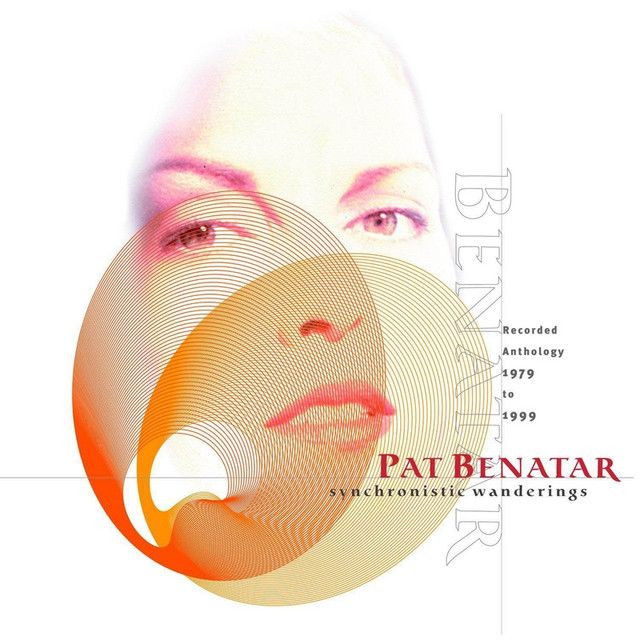
One Love by Pat Benatar
A Hope Song Hiding in a Rock Record
The meaning of One Love Pat Benatar comes into focus quickly: this is a song about unity, spiritual hope, and moral courage during hard times. Instead of telling a private romance story, it reaches for something bigger. The lyrics picture a world marked by struggle, distance, and grief, then answer that darkness with the idea that love can guide people toward truth and shared purpose.
"One Love" - Pat Benatar
As he traveled on road of hope
One love is the light, shining over every mountain top
Loading lyrics...
Unable to load lyrics
We're unable to display the lyrics at this time. Please try again later.
That makes the song stand out in Benatar's catalog. They are often linked with sharp, defiant rock hits, but this track opens into a more communal message. Released on Wide Awake in Dreamland in 1988, it came from a later phase in their career, after years of major chart success and four Grammy wins. According to widely cited career summaries, Benatar had already built a reputation as one of the defining rock voices of the era, and One Love was issued as a single in the UK from that album. Factual details about the album and chart history are reflected in standard reference listings such as Benatar's career overview and discography.

Watch the official One Love
music video
The Core Message: Love as a Moral Force
At the center of the song is the repeated idea that one love is the light
. Paraphrased, the lyric treats love not as a mood but as a force that gives direction. It shines, leads, and lifts. The song says that in a broken world, love is not passive. It is active, almost like a compass.
Another key phrase is higher ground
. That image suggests growth, safety, and spiritual elevation. The people in the song are not just trying to survive. They are trying to rise above fear, hatred, and confusion.
Interpretation: This is why the song can feel both political and spiritual without being narrowly tied to one event. Its language is broad enough to invite many meanings, but the emotional goal is clear: people need solidarity now, not someday.
The Story Inside the Verses
The verses use a simple myth-like frame: once there was a man
. Rather than naming him directly, the song turns him into a symbol. He sings, travels, speaks words of love, and leaves behind a dream others can carry. Because the lyric later points to Afrika tonight
and uses images like the lion and the desert wind, the figure seems connected to African struggle, liberation, or spiritual leadership.
That matters because the song does not stay in abstract inspiration. It links hope to a historical and cultural setting. The line about a man gone to his father's land
suggests death, ancestry, or return. In plain terms, someone has passed on, but their message remains alive through the people.
Interpretation: A strong reading is that the song honors a leader or martyr figure and turns that loss into a call for unity. The man may be less important as a literal character than as a vessel for collective memory.
Why the African Imagery Matters
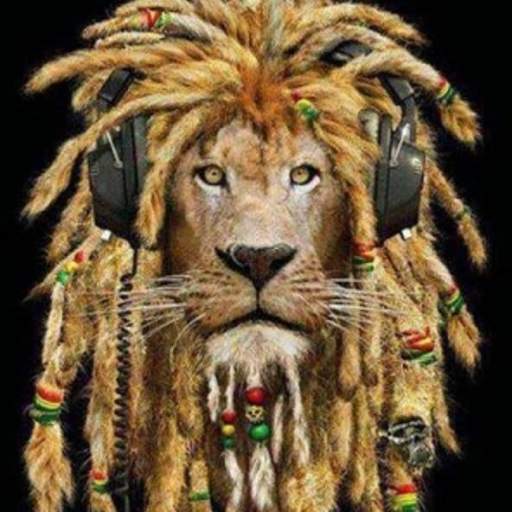
The song's lion, desert, mountain, and woven-color imagery gives it a ceremonial feel. The phrase lion's song
suggests dignity, power, and ancestral voice. Lions are often linked with leadership and courage, so the song uses that image to make love sound strong rather than soft.
The mention of colors being woven into a dream also deepens the theme of unity. Different identities are not erased; they are joined. That is an important distinction. The song does not imagine oneness as sameness. It imagines a fabric made from many threads.
We are the children of a thousand days
We are the people of the hard rain
This brief repeated section sums up the group identity of the song. Paraphrased, the people speaking have endured a long, painful history. Yet they still speak together. Suffering has not destroyed their bond.
How the Chorus Turns Hope Into Urgency
The chorus is uplifting, but it is not dreamy. It keeps pushing toward immediate action with the repeated plea to do it now. The lyrics imagine a day when every heart, eye, and voice will become stronger against the night. In other words, love must show up in courage, truth, and speech.
The image of the night
works as the song's main symbol for fear and oppression. Against that darkness, the chorus calls for people to stand together in the present. That urgency keeps the song from becoming vague inspiration.
Interpretation: The chorus argues that unity is not only comforting; it is necessary. It frames love as a public act.
Sound and Production: Why It Feels Larger Than One Person
Written by Myron Grombacher and Neil Giraldo, the song carries the polished late-80s rock sound associated with Benatar's broader work from that era. Giraldo's role in shaping their music is central across the catalog, and his writing credit here matters because the arrangement supports the lyric's scale.
The production likely feels expansive to listeners because the song balances rock structure with anthem-like lift. The drums give it forward motion, while the vocal delivery turns the chorus into a shared declaration rather than a private confession. Benatar's voice is powerful enough to sound commanding, but they also let the song breathe as a communal statement.
That blend is important to the meaning of One Love Pat Benatar. If the track were softer, it might sound like reflection. Because it is built with rock energy, it sounds like resolve.
A Late-80s Benatar Song With a Different Kind of Strength
By 1988, Benatar was already an established star with 15 U.S. Hot 100 top 40 singles and major album sales across the U.S. and Canada. In that context, One Love shows another side of their artistry. It trades romantic conflict for a wider human message.
That also helps explain why some listeners remember it less as a chart event and more as a mood piece. It reached the UK chart, but its lasting value comes from its message: people can face suffering without surrendering their shared humanity.
Final Take
The meaning of One Love Pat Benatar is ultimately about unity forged in hardship. Through symbolic storytelling, African imagery, and a chorus that pushes for action now, the song imagines love as a guiding light strong enough to outlast loss.
Interpretation disclaimer: Song meanings are never fully fixed. This reading is based on the lyrics, the song's imagery, and Benatar's career context, but other listeners may hear different shades of spiritual, political, or personal meaning.