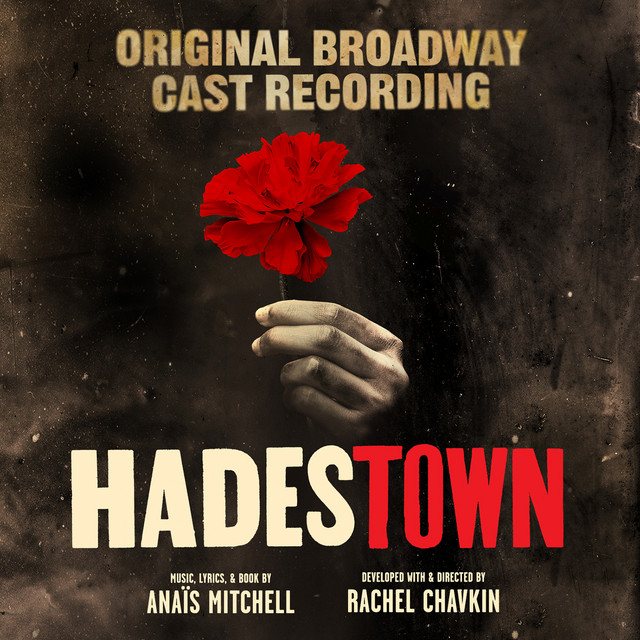
Why We Build the Wall by Patrick Page, Hadestown Original Broadway Company, Anaïs Mitchell
A Broadway Song About Fear and Power
The meaning of Why We Build the Wall Patrick Page, Hadestown Original Broadway Company, Anaïs Mitchell starts with a simple idea: people in power can use fear to make injustice sound necessary. In Hadestown, this number is sung by Hades, played on the original Broadway cast album by Patrick Page. He leads a call-and-response chant that sounds almost like a sermon, a work song, and a political rally all at once.
"Why We Build the Wall" - Patrick Page, Hadestown Original Broadway Company, Anaïs Mitchell
My children, my children
Why do we build the wall?
Loading lyrics...
Unable to load lyrics
We're unable to display the lyrics at this time. Please try again later.
On the surface, the song explains why a wall exists. Under that surface, it shows how leaders create enemies, repeat slogans, and train people to accept hard labor and division as the price of safety. The song is not subtle, and that is part of its force. It is meant to sound persuasive enough to be scary.
The Story Function Inside Hadestown
Anaïs Mitchell first developed Hadestown as a concept album before it became the acclaimed Broadway musical directed by Rachel Chavkin. In the show, Hades rules an industrial underworld where workers give up freedom for the promise of order and survival.
This song arrives as a statement of that system. Hades does not just defend the wall; they teach the workers how to defend it themselves. The repeated questions and answers make the crowd take part in its own control. That matters because Hadestown is a story about love, but also about labor, hunger, class, and control.
What the Lyrics Are Really Saying
At the center of the song is a circular argument. The ruler asks why the wall exists, then answers that it keeps people free. From there, the logic gets darker. Freedom supposedly comes from shutting out an enemy. Then that enemy is defined in broad, shifting terms, including poverty
.
That is the song’s trick. It turns a human condition into an outside threat. Instead of asking why poverty exists, the speaker acts as if it can be blocked by force. The line about keep us free
sounds noble, but in context it means the opposite. The workers are not free at all.
A key part of the song is how it links fear to scarcity. Hades tells the people, in effect, that others want what they have because they have not
. That idea breeds suspicion. It teaches the workers to see desperate people as danger rather than neighbors.
We have work and they have none
And our work is never done
These lines reveal the bitter joke. The workers are told they are lucky because they have jobs, yet the jobs are endless and crushing. The wall is not protecting them from exploitation. The wall is the exploitation.
How Patrick Page’s Performance Sharpens the Meaning
Patrick Page’s bass voice is central to why the song lands so hard. They sing with a grave, commanding weight that makes every repeated phrase feel ancient and authoritarian. On the Original Broadway Cast Recording, the low vocals, stomping rhythm, and group responses make the track feel ritualistic.
That production choice matters. The arrangement is spare but heavy, built around pulse and repetition more than melody. It sounds like machinery and mass agreement. The ensemble does not soften Hades; they amplify him. Each answer from the crowd shows how propaganda works best when ordinary people start repeating it themselves.
Themes of Class, Labor, and Manufactured Enemies
The wall as a symbol
In the song, the wall is more than a barrier. It stands for an entire worldview. It divides people into insiders and outsiders, the worthy and the threatening. Interpretation: the wall also symbolizes the stories societies tell to justify inequality.
Poverty turned into a villain
One of the sharpest ideas in the lyric is that poverty becomes the named enemy. That is a powerful distortion. Poverty is not invading from outside; it is often created by unfair systems. The song exposes how a ruler can hide responsibility by blaming the vulnerable.
Work as control
The line work upon
is especially bleak. The people are told that what they possess is the wall itself and the labor tied to it. In other words, they own almost nothing except the burden they must keep carrying.
Why the Song Felt So Timely
Although Anaïs Mitchell wrote Hadestown years before its Broadway run, many listeners heard this number as eerily current during the late 2010s. Reviews often noted how directly it echoed real political rhetoric about borders, fear, and national identity. Mitchell has described the show in interviews as a retelling of myth shaped by modern economic anxiety rather than a one-to-one commentary on a single politician.
That wider frame is important. The song works because it is bigger than one news cycle. It captures a recurring pattern: when people feel insecure, leaders may offer simple answers, repeat them until they sound true, and demand unity against a partly invented threat.
A Chilling Song With a Clear Purpose
Why We Build the Wall is one of Hadestown's clearest warnings. It shows how power survives by narrowing people’s imagination. If they fear outsiders, glorify endless labor, and confuse obedience with safety, they stop asking who benefits.
For listeners searching for the meaning of Why We Build the Wall Patrick Page, Hadestown Original Broadway Company, Anaïs Mitchell, the answer is both theatrical and political: it is a song about propaganda made into ritual. Its horror comes from how reasonable it tries to sound.
That is why the number lingers long after it ends. It does not only describe a wall. It describes the mindset that builds one, protects it, and sings along while doing so.
Disclaimer: This interpretation is based on the lyrics, performance, and public context of Hadestown*. As with any work of art, listeners may hear additional meanings.*







