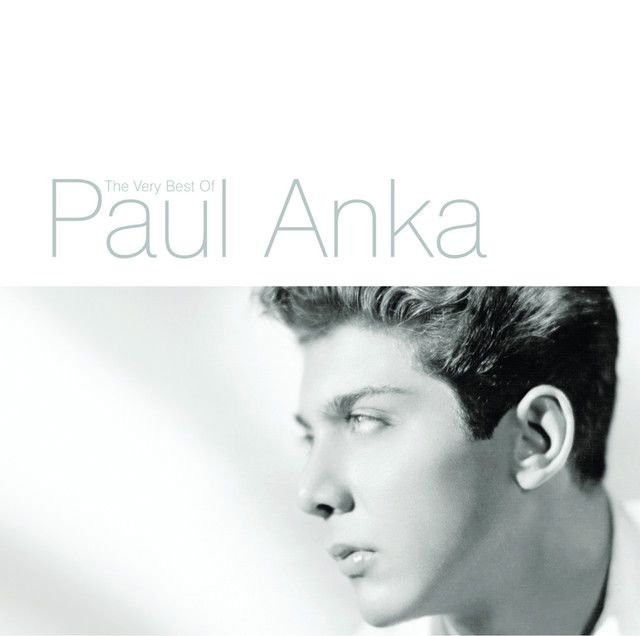
Put Your Head On My Shoulder by Paul Anka
The meaning of Put Your Head On My Shoulder Paul Anka starts with something simple: young love expressed through closeness, patience, and hope. This is not a dramatic breakup song or a grand declaration. Instead, it lives in a quieter moment, where someone asks for affection and waits for love to be returned.
"Put Your Head On My Shoulder" - Paul Anka
Hold me in your arms, baby
Squeeze me oh-so-tight
Loading lyrics...
Unable to load lyrics
We're unable to display the lyrics at this time. Please try again later.
Released in 1959, the song became one of Paul Anka's signature hits during the late-1950s pop era, when teen romance songs often centered on innocence, longing, and the dream of a slow dance. According to the Billboard chart record, it was a major hit, and its staying power comes from how gently it captures romantic uncertainty.
A Love Song Built on Nearness
At its core, the song is about wanting emotional proof through physical closeness. The singer is not asking for a huge promise at first. They ask for small gestures: a shoulder lean, an embrace, a whisper, a kiss. Those actions stand in for trust.
When the song opens with Put your head on my shoulder
, it immediately sets the mood. This is not flashy romance. It is soft, private, and almost shy. The request suggests comfort more than passion, which is why the song still feels sweet instead of pushy.
The next key idea is reassurance. Phrases like hold me in your arms
and show me that you love me too
reveal that the speaker is not fully confident yet. They hope love is mutual, but they still need to hear it and feel it.

Watch the official Put Your Head On My Shoulder
music video
How the Lyrics Move From Desire to Hope
The verses follow a clear emotional path. First, the singer asks for closeness. Then they imagine what that closeness could lead to. The line about a kiss goodnight becomes a turning point, because a small romantic moment may grow into something larger.
That hope is summed up in the idea that you and I will fall in love
. The wording matters. The song does not claim the couple is deeply in love already. Instead, it shows love as something just ahead, almost within reach.
This creates much of the song's charm. It captures the stage before certainty, when affection feels real but the future is still open. That emotional in-between space is a big part of the meaning of Put Your Head On My Shoulder Paul Anka.
The Bridge Adds a Hint of Fear
The song would be much flatter without the bridge. Up to that point, everything is warm and intimate. Then the singer admits that some people think love is a game that cannot be won.
Here, Paul Anka briefly adds doubt and vulnerability:
People say that love's a game
A game you just can't win
This is the song's one shadow. It suggests the singer knows romance can end in embarrassment or hurt. Still, they reject cynicism. They insist they will find a way, even if that makes them look naive.
Interpretation: this moment frames the speaker as sincere rather than smooth. They are willing to risk looking foolish for the chance at real love. That makes the song feel emotionally honest, even in its polished pop form.
Why the Repetition Matters
The chorus returns again and again to the same requests, especially whisper in my ear
. That repetition shows how badly the singer wants reassurance. Words matter here as much as touch.
The repeated plea to be told what they long to hear gives the song its emotional center. This is not just about physical affection. It is about needing confirmation that feelings are shared.
In that sense, the shoulder becomes a symbol. It stands for safety, acceptance, and mutual tenderness. A simple pose says what bigger speeches often cannot.
Paul Anka's Youthful Persona Shapes the Meaning
Paul Anka wrote the song himself, which matters because his early career often blended teenage polish with personal feeling. He was part of a generation of young pop stars who turned adolescent emotions into elegant, radio-ready songs. The Rock & Roll Hall of Fame bio notes his importance as a singer-songwriter from that era.
Because Anka was so young when he rose to fame, listeners often heard songs like this as direct windows into teenage longing. Whether fully autobiographical or not, the performance feels believable because he sounds earnest, not ironic.
How the Sound Carries the Song's Meaning
The arrangement is crucial. The tempo is slow, with a gentle orchestral pop backing that gives the track a dreamy, prom-night quality. Soft strings and a smooth rhythm section create an atmosphere of closeness, as if the music itself is leaning in.
Anka's vocal delivery is restrained. He does not oversing the emotion. That control keeps the song tender. If he pushed harder, the lyrics might sound demanding. Instead, the softness makes the requests feel vulnerable.
This production style supports the song's theme: intimacy grows in quiet spaces. The music leaves room for breath, pause, and anticipation. That is why the track feels like a suspended moment rather than a dramatic story.
A Simple Song With Lasting Appeal
Part of the song's endurance is that it is easy to understand but emotionally precise. Almost everyone knows the feeling of hoping someone loves them back and looking for small signs that they do. The song turns that universal experience into a slow-dance classic.
Interpretation: one reason it lasts is that it presents romance as gentle cooperation, not conquest. The singer asks, waits, hopes, and imagines. That makes the song feel warm rather than possessive.
Final Take on Its Meaning
The meaning of Put Your Head On My Shoulder Paul Anka is about the fragile, hopeful moment before love becomes certain. Through small requests for touch, words, and reassurance, the song captures young romance at its most innocent and nervous.
Its lasting beauty comes from the match between lyric and sound: both are soft, patient, and full of longing. That blend turns a very simple message into one of pop's most enduring portraits of closeness.
Disclaimer: This interpretation combines documented context with critical reading of the lyrics and performance. As with any song, listeners may hear different meanings in it.







