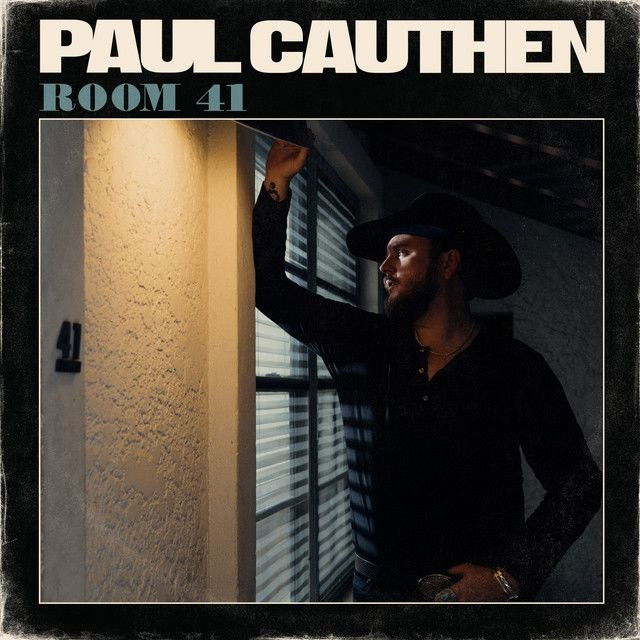
Why Paul Cauthen's Wildest Hook Has a Point
The meaning of Cocaine Country Dancing Paul Cauthen starts with a joke-sized phrase that opens into something bigger. On the surface, this is a rowdy barroom banger: a vintage car, a late-night club, drinks, smoke, and a partner who keeps the energy alive. But the song also feels like a cartoon of American excess, where desire gets louder as the night gets emptier.
"Cocaine Country Dancing" - Paul Cauthen
Straight ready to stunt
At a quarter to one
Loading lyrics...
Unable to load lyrics
We're unable to display the lyrics at this time. Please try again later.
Paul Cauthen has built a reputation for larger-than-life delivery and a mix of country, soul, and swagger in his public-facing work and artist materials. That context matters here. This song does not sound shy or private. It sounds designed to be oversized.
A Party Song With a Wink
At the most basic level, the song follows a narrator cruising into a club, looking for stimulation and company. The opening image, with the 1964 Caddy
, sets a stage of old-school cool. It signals style, ego, and performance before the first chorus even lands.
From there, the lyrics move through a simple nightlife script: show up, flirt, drink, ask for more, and keep dancing. The repeated clock references turn the song into a countdown. Every hour brings the same hunger back in a new form.
Interpretation: That repetition is important. Rather than telling a deep story with plot twists, the song shows a loop. The speaker keeps chasing the next hit of excitement, whether that means attention, intoxication, or movement.
Watch the official Cocaine Country Dancing
music video
The Hook Says More Than It First Seems
The chorus is catchy because it takes two worlds that do not normally belong together and fuses them into one absurd image: cocaine country dancing
. That phrase is funny, provocative, and a little ridiculous. It is also the whole thesis.
On one side, there is “country,” which suggests barrooms, boots, twang, and communal dancing. On the other, there is “cocaine,” which suggests speed, appetite, risk, and sleeplessness. Put together, the song creates a version of country life turned hyperactive and unstable.
Interpretation: The hook can be heard in two ways:
- As a literal party anthem about getting wild.
- As a stylized exaggeration of nightlife culture, where people perform freedom while chasing numbness.
That double meaning gives the song its bite. It is fun enough to dance to, but strange enough to make listeners notice the satire.
How the Verses Build the Night
The structure is almost mechanical, and that is part of the point. The verses move from quarter to one
to quarter to four
. Each step raises the sense of need. Early on, the speaker is just looking for fun
. By the end, the language sounds more restless and depleted.
One of the clever things about the writing is how little actually changes. The requests change shape, but the emotional condition stays the same: the speaker wants more. More movement, more intoxication, more connection, more time before the night ends.
That is why the line about do we have any more?
matters. It is not just about substances. It also captures the larger fear underneath party songs like this one: what happens when the feeling runs out?
Desire, Performance, and Control
The song is addressed to another person, a “you” who seems to keep the speaker energized. The repeated direct appeals make the whole thing feel flirtatious, but also needy. The speaker acts confident, yet they keep asking for help staying in motion.
Interpretation: That tension may be one of the song’s smartest features. The narrator performs total cool, but the lyrics reveal dependence. They are not in command of the night as much as they pretend to be.
This is where the song’s humor becomes useful. Its swagger is so big that it almost exposes itself. The bravado feels intentional, like a mask worn so loudly that listeners can see the insecurity underneath.
Why the Sound Matters So Much
Musically, the track’s impact comes from groove and delivery as much as words. Even without breaking down every production credit here, listeners can hear a strong beat, a dance-floor pulse, and a retro-country frame pushed toward something more theatrical. The arrangement supports the song’s central contradiction: rootsy identity meeting modern chemical chaos.
Cauthen’s vocal style is a major part of that meaning. They sing with force and personality, which makes the song feel lived-in rather than clinical. The performance sells the joke, the charm, and the danger all at once.
That matters because a flatter vocal might have made the track feel merely crude. Instead, the booming delivery turns it into a character piece. The song sounds like someone playing the role of the biggest personality in the room, maybe because they cannot bear to be anything smaller.
A Country Song About Excess in America
In a broader sense, the meaning of Cocaine Country Dancing Paul Cauthen may connect to a familiar American pattern: turning vice into spectacle. The car, the club, the partner, the substances, the endless late hours—none of these are presented quietly. They are shown as part of a lifestyle performance.
That makes the song feel less like confession and more like a neon sign. It invites listeners in, but it also shows how ridiculous the whole scene can be. The thrill is real. So is the emptiness.
The Real Takeaway Beneath the Chaos
What makes the song work is not subtle poetry. It is compression. In one unforgettable phrase, it captures lust, speed, country iconography, and self-destruction. The result is a track that can function as a party starter and as a sharp little portrait of people who keep dancing because stopping would mean feeling too much.
That is why the song sticks. It sounds reckless, but it is not mindless.
Disclaimer: This article offers informed interpretation based on the lyrics, performance, and artist context. Song meaning can vary from listener to listener.









