Why Paul Simon Made Breakup Sound Easy
The meaning of 50 Ways to Leave Your Lover Paul Simon starts with a strange contrast: the song is about romantic pain, but it sounds light, clever, and almost breezy. That tension is the point.
"50 Ways to Leave Your Lover" - Paul Simon
"The answer is easy if you take it logically
I'd like to help you in your struggle to be free
Loading lyrics...
Unable to load lyrics
We're unable to display the lyrics at this time. Please try again later.
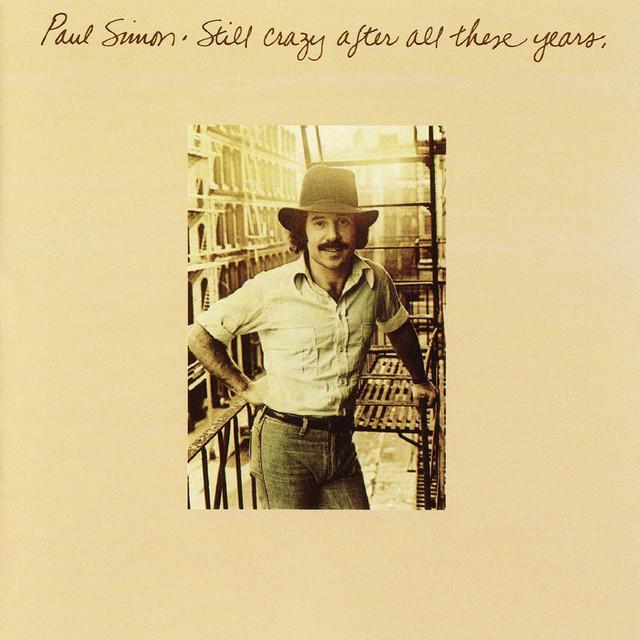
Released in 1975 as a single from Still Crazy After All These Years, the song became Paul Simon’s only solo No. 1 on the Billboard Hot 100 and stayed there for three weeks, according to available chart histories and release summaries. It was written by Simon and produced by Simon with Phil Ramone. The recording is also famous for Steve Gadd’s drum part, one of the track’s defining features.
A Breakup Song That Refuses to Collapse
At the lyric level, the song frames a breakup as a conversation. A woman speaks to a troubled narrator and tries to cut through their emotional fog. Her message is blunt but kind: the problem may feel huge, yet the answer is practical.
That is why the opening lands so well. The line built around inside your head
does not dismiss heartbreak. Instead, it suggests that fear, overthinking, and habit can trap someone in a relationship long after they know it should end.
Interpretation: the song is less about betrayal than paralysis. It focuses on the moment when somebody already knows they should leave, but cannot quite act.

Watch the official 50 Ways to Leave Your Lover
music video
The Joke in the Title Is Part of the Meaning
The title promises a long list, but the chorus only gives a small handful of examples. That mismatch is part of the humor.
Simon reportedly wrote the song after his divorce from Peggy Harper and took a more comic approach to the subject. He also later described it as a kind of accidental or fluke hit, and in another oft-cited comment he called it basically a nonsense song. Those remarks matter because they warn listeners not to force the lyric into a grand manifesto.
Even so, playful songs can still carry emotional truth. Here, the exaggerated number “50” makes the advice sound abundant and easy. The real message is simpler: if a relationship is over, they do not need fifty strategies. They just need one.
How the Chorus Turns Pain Into Motion
The chorus is built from short, rhyming names and quick commands like slip out the back, Jack
, make a new plan, Stan
, and drop off the key, Lee
. These phrases are funny, but they also do serious work.
They reduce a painful life change into bite-size actions. Instead of arguing about love, guilt, or history, the song breaks escape into small moves. Leave quietly. Stop stalling. Make a decision. Get free.
That is why the hook feels memorable. It is not deep because each instruction is complex. It is deep because the song understands how people survive hard choices: one simple action at a time.
A Quiet Twist in the Second Verse
The second verse adds more emotional shade. The woman says she hates seeing the narrator in pain, and the narrator asks her to explain the famous “fifty ways.” Then the song pauses.
sleep on it tonightsee the light
That brief moment shifts the song from comedy to intimacy. Her advice is not only tactical. It is caring. And when the narrator notices her kiss and thinks she is probably right, the song becomes slightly ambiguous.
Who Is Talking to Whom?
There are at least two strong readings.
Reading One: A Real Person Offers Escape
The most direct reading is that a woman is helping the narrator leave another partner. In that version, she is a friend, confidante, or possible new love interest. The kiss at the end supports that idea.
Reading Two: She Represents Inner Clarity
Interpretation: the woman can also be heard as a dramatic device, almost like the narrator’s wiser inner voice. Her calm logic contrasts with their confusion. In this reading, the kiss marks emotional release rather than a literal romantic turn.
Both readings work because Simon writes the scene in a conversational way, not a highly detailed one.
Why the Music Matters So Much
The sound carries the song’s meaning as much as the words do. Simon built the track around percussion, and Steve Gadd’s repeated drum riff gives it forward momentum. Rather than sounding heartbroken or messy, the record sounds controlled.
That control is essential. The groove suggests movement before the narrator is fully ready. It keeps the song from sinking into self-pity.
The rest of the arrangement helps too: acoustic guitar, organ, bass, electric guitars, and smooth background vocals from Patti Austin, Valerie Simpson, and Phoebe Snow. Together, they create a polished pop surface that makes leaving sound less like a tragedy and more like a necessary step.
Why the Song Still Connects
Part of the song’s staying power is that it captures a common truth: ending a relationship is often emotionally complicated but practically simple. People stay because they are attached, scared, guilty, or confused.
This song laughs gently at that confusion. It never says heartbreak is fake. It says indecision can become its own trap.
The Last Word on Its Meaning
So, what is the meaning of 50 Ways to Leave Your Lover Paul Simon? At its core, it is a witty song about freedom. It takes the heaviness of breakup and translates it into rhythm, rhyme, and action.
Interpretation: beneath the humor, the song argues that clarity often arrives when someone stops dramatizing the exit and finally accepts what they already know.
That reading is interpretive, not definitive. As with many Paul Simon songs, part of its power lies in how much room it leaves for listeners to hear their own story in it.







