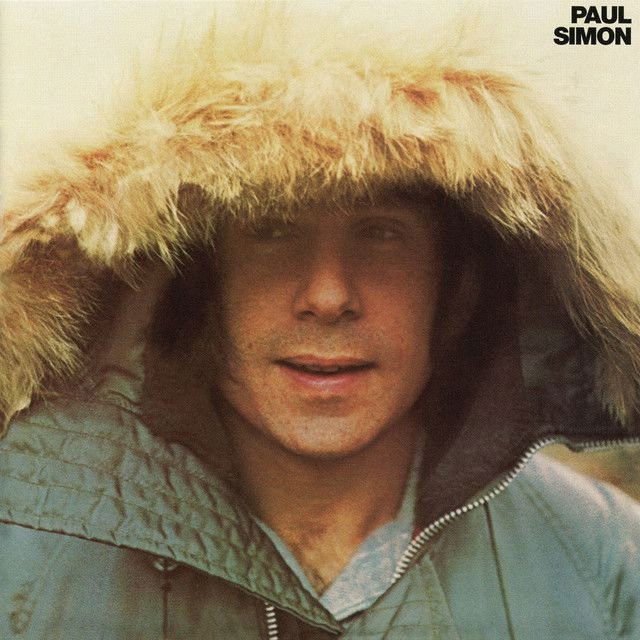
Duncan by Paul Simon
The meaning of Duncan Paul Simon starts with a simple folk-story setup: a young man leaves home, struggles badly, meets a preacher, and stumbles into adulthood in one unforgettable night. But the song does more than tell a tale. It turns poverty, religion, sex, and gratitude into one flowing memory.
"Duncan" - Paul Simon
They've been going at it all night long
Well, I'm tryin' to get some sleep
Loading lyrics...
Unable to load lyrics
We're unable to display the lyrics at this time. Please try again later.
Paul Simon released “Duncan” on his 1972 self-titled album, a record shaped by folk writing and global rhythmic influences, as documented in album references from Paul Simon's official site and AllMusic. That wider musical setting matters because this song sounds open-hearted even when its story is rough.
A Drifter’s Story With a Deeper Point
On the surface, the narrator introduces himself plainly with Lincoln Duncan is my name
. From there, they tell a life story in quick scenes. They grow up in a fishing community, leave the Maritimes for New England, and arrive with very little money or confidence.
That is the first key to the meaning. “Duncan” is about movement, but not glamorous freedom. It shows the kind of wandering that comes from need. When the narrator describes holes in my confidence
, the phrase is as important as the worn clothes in the verse. Simon links economic hardship to emotional fragility.
Interpretation: the song suggests that growing up is not a clean path toward wisdom. It is a stumble through loneliness, desire, and chance encounters.

Watch the official Duncan
music video
From Boredom to Hunger
The early verses frame the narrator as someone shaped by dull routine and limited options. They are born into a working-class coastal world and leave because staying put feels spiritually deadening. The trip south is not just geographic. It is a search for possibility.
That search quickly becomes desperate. The song’s language about being broke is funny on the surface, but the humor hides panic. The narrator is a classic Simon outsider: alert, vulnerable, and trying to improvise a life.
This is why the song’s motel opening matters too. Before the backstory begins, they are already in a thin-walled, temporary place, unable to rest. The world around them feels cheap, noisy, and unstable. The song starts with discomfort and never fully loses it.
Faith, Desire, and Survival Collide
The most striking turn comes when the narrator sees a girl preaching in a parking lot. She is singing sacred music and speaking from the Bible. The narrator admits being lost, and they view her as the road to my survival
.
That line works on two levels. In the plot, she offers human contact when the narrator is alone and broke. In a deeper sense, she seems to promise meaning. For a moment, “Duncan” looks like a conversion story.
Then Simon twists it. That same night, the relationship becomes sexual, and innocence ends. The song does not present this as betrayal exactly, nor as pure romance. Instead, it blurs spiritual awakening and physical awakening.
Oh, what a garden of delight
Just thankin' the Lord
For my fingers
This is the song’s boldest move. It mixes prayer, sensuality, and gratitude in one image. The narrator comes away not ashamed but astonished.
Interpretation: Simon may be arguing that real human experience refuses neat categories. The sacred and the bodily do not stay separate in this song.
Why the Refrain Matters So Much
After major turns, the repeated I know
appears. It sounds simple, but it is slippery. What exactly does the narrator know? The song never spells that out.
That ambiguity gives the refrain its power. It may signal emotional certainty without intellectual clarity. They know something has changed, even if they cannot define the lesson.
Interpretation: the refrain captures the shock of initiation. It is the sound of someone feeling truth before they can explain it.
The Sound Makes the Meaning Warmer
Part of why “Duncan” feels so memorable is its arrangement. The track is known for its bright acoustic texture and featured percussion, including the cuíca, with players and credits discussed in album documentation and reference sources such as AllMusic. That rhythmic pulse gives the song motion, almost like travel itself.
Instead of making the story dark or tragic, the music feels loose and sunlit. Simon’s vocal is gentle, even when the narrator is hungry or humiliated. That contrast matters. The performance suggests memory has softened pain into story.
In other words, the arrangement tells listeners how to hear the song: not as trauma alone, but as a strange gift the narrator still carries.
A Coming-of-Age Song That Refuses Simple Morals
Many listeners hear “Duncan” as a song about sexual initiation, and that reading is valid. But the meaning of Duncan Paul Simon is broader than that. It is about how identity forms through accident, hardship, and encounters that feel both holy and earthly.
The ending is especially telling. Beneath the stars, playing guitar, the narrator gives thanks. The gratitude centers on the body and on music. That final gesture turns the whole song toward creation. Experience becomes art.
So what is “Duncan” really saying? They seem to present adulthood as confusing but vivid, painful but memorable. The narrator does not emerge purified. They emerge awake.
Final Thought on Simon’s Storytelling
“Duncan” stands out because it turns a drifter’s anecdote into a myth of becoming. Its details are earthy, but its emotional reach is larger: hunger, belief, desire, memory, and the lucky fact of still being alive to sing about it.
Disclaimer: This interpretation is based on the lyrics, recording context, and common critical readings. As with most Paul Simon songs, some meanings remain open to listener interpretation.









