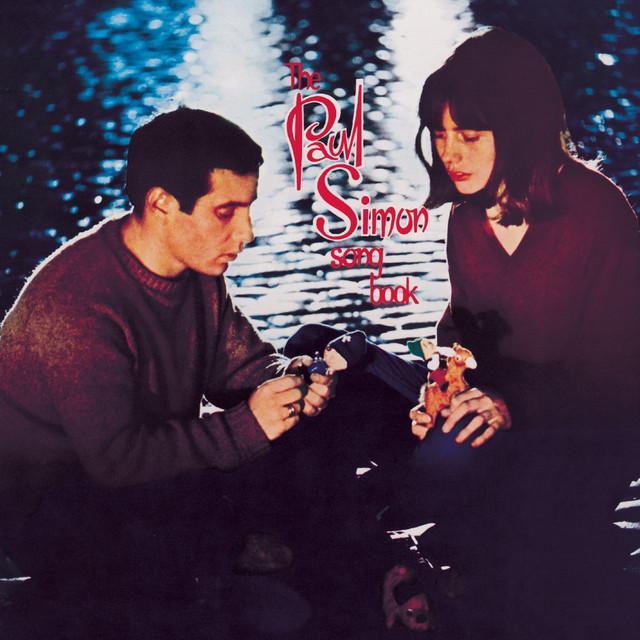
I Am a Rock by Paul Simon
The meaning of I Am a Rock Paul Simon starts with a simple but sharp idea: after being hurt, a person may decide that feeling nothing is safer than risking pain again. Paul Simon turns that idea into a memorable portrait of isolation. The speaker insists they are untouchable, but the song keeps revealing how much effort it takes to stay emotionally closed.
"I Am a Rock" - Paul Simon
In a deep and dark December
I am alone
Loading lyrics...
Unable to load lyrics
We're unable to display the lyrics at this time. Please try again later.
A Lonely Creed, Not a Victory Lap
At its core, the song is about self-protection. The speaker looks out on a cold winter world and defines themselves through separation. Phrases like deep and dark December
and I am alone
create a setting that feels frozen both outside and inside.
That matters because the song does not sound like a healthy embrace of solitude. It sounds like a response to hurt. The speaker claims not to need friendship or love, yet those statements feel defensive. Interpretation: they are trying to convince themselves that distance equals strength.
The refrain makes that tension unforgettable. When they say I am a rock
and I am an island
, they choose images with no softness, warmth, or exchange. Rocks do not bend. Islands are cut off. The hook is bold, but it also feels sad.

Watch the official I Am a Rock
music video
How the Verses Build the Wall
Each verse adds another layer to the speaker's emotional fortress. First comes the winter scene. Then comes the explanation: they have built walls and no longer trust closeness.
The song's logic moves in a clear order:
- The speaker is isolated.
- They explain that friendship and love bring pain.
- They retreat into memory but refuse to awaken old feelings.
- They hide in private comforts like books and poetry.
- They end with the claim that numbness prevents suffering.
This progression is why the song feels so complete. It is not just a mood piece. It is a statement of emotional survival.
The Real Target: Love, Memory, and Vulnerability
One of the most revealing moments comes when the speaker rejects romantic feeling, saying the idea of love is already known but buried. The line about memory suggests past experience, not innocence. They are not someone who never cared. They are someone who cared and paid for it.
That is why the song's coldness lands so hard. The speaker avoids feeling because feeling once led to tears. In paraphrase, the song argues that if a person never opens up, they never have to grieve. Interpretation: Simon presents this as emotionally understandable, but not emotionally freeing.
Symbols That Carry the Song's Meaning
The writing is powerful because its symbols are easy to grasp and rich in meaning.
Winter, Snow, and Silence
The opening weather imagery creates emotional climate. Snow becomes a kind of cover over the world, muting contact and movement. The season suggests dormancy, distance, and numbness.
Walls, Fortresses, and Armor
The speaker does not just drift away from others. They actively defend against them. Images of a fortress and armor show chosen isolation. These are not neutral boundaries; they are military ones.
Room, Womb, and Retreat
The line about being safe within my womb
is one of the song's most striking ideas. It suggests a wish to return to absolute safety, before risk, rejection, or heartbreak. Interpretation: this image makes the song less tough than frightened.
Books and Poetry as Shelter
When the speaker says my books and my poetry
, they point to art as refuge. Reading and writing offer control. Unlike relationships, they cannot suddenly betray the speaker. It is a moving detail because Paul Simon was himself a songwriter, making the line feel self-aware.
Why the Sound Matters Too
The song's folk-rock arrangement helps deliver its message. Paul Simon first recorded an earlier version in the U.K., then cut the better-known version for Sounds of Silence in 1965, during his early rise with Simon & Garfunkel, according to official and archival discographies. The familiar recording uses crisp acoustic guitar, a steady beat, and bright melodic movement.
That brightness is important. The track is catchy and even energetic, which creates a contrast with the speaker's harsh worldview. Instead of sounding broken and slow, the song sounds controlled. The performance mirrors the character: neat, firm, and buttoned up.
Simon also sings with clarity rather than melodrama. That restraint supports the theme. The speaker is not falling apart in public. They are managing pain by tightening every emotional screw.
Artist Context Sharpens the Reading
Paul Simon wrote many early songs about alienation, restlessness, and the difficulty of connection. In that sense, this song fits his broader writing style from the mid-1960s. It also arrived in an era when folk music often balanced personal confession with poetic distance.
But this song stands out because it states its defense so directly. There is no mystery about what the speaker wants: safety. The mystery is whether that safety is worth the cost.
So What Is the Song Finally Saying?
The meaning of I Am a Rock Paul Simon is not that isolation makes a person strong. It is that pain can make emotional shutdown feel logical. The song captures the moment when self-protection hardens into identity.
Interpretation: the final claim that a rock feels no pain is less a fact than a wish. Human beings are not rocks or islands, and the song knows it. That is why it still connects: many listeners recognize the impulse to withdraw, even if they also hear the loneliness inside it.
Disclaimer: This interpretation is based on the lyrics, recording context, and common critical readings. As with any song, listeners may hear different meanings in it.







