Why 'Kodachrome' Makes Memory Look Better
The meaning of Kodachrome Paul Simon comes down to one sharp idea: memory is powerful because it edits. The song sounds sunny and easygoing, but under that bright surface, it pokes at how people turn the past into a better picture than it really was.
"Kodachrome" - Paul Simon
It's a wonder I can think at all
And though my lack of education hasn't hurt me none
Loading lyrics...
Unable to load lyrics
We're unable to display the lyrics at this time. Please try again later.
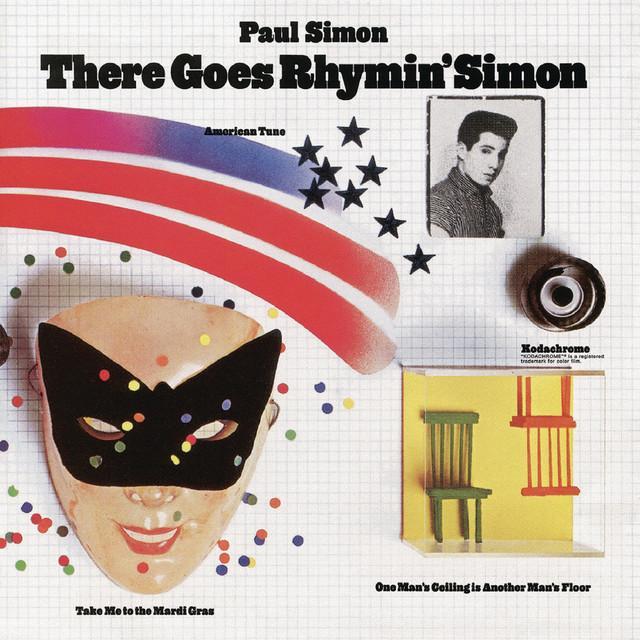
Released on There Goes Rhymin' Simon in 1973, the track became one of Paul Simon's signature solo songs after his split from Simon & Garfunkel, a key fact noted in coverage of the album and single by sources like Britannica and The Rock & Roll Hall of Fame. The title refers to Kodak's famous color film, which was known for rich, vivid tones. That matters because the whole song turns color into a metaphor for how people remember their lives.
A Bright Pop Song With a Wry Smile
On first listen, they hear a carefree summer track. The hook celebrates nice bright colors
and the greens of summers
, creating a world that feels warm, youthful, and almost too perfect.
But the verses complicate that mood. The narrator looks back at school, romance, and youth with a mix of amusement and skepticism. They are not saying the past was pure or innocent. They are saying it becomes easier to love once memory turns it into a photograph.
That is why the song feels both sincere and ironic. It enjoys nostalgia even as it questions it.

Watch the official Kodachrome
music video
What the Lyrics Are Really Doing
The opening verse starts with a complaint about school and wasted lessons. The narrator shrugs off formal education, then says they can still read the writing on the wall
. In plain terms, they suggest that lived experience teaches lessons that school sometimes does not.
That setup leads neatly into the chorus. Kodachrome film becomes more than a camera product. It represents a way of seeing that intensifies beauty and removes mess. When the singer says the colors make the world seem like a sunny day
, the song hints that perception can be flattering, even misleading.
The second verse pushes the idea further. Looking back on past relationships, the narrator admits imagination beats reality. The blunt line about things looking worse in black and white
is not just about photography. It is about emotional framing. Reality may be plain, awkward, or disappointing, but memory can add warmth and glow.
The Chorus Turns Film Into a Symbol
The repeated plea, don't take my Kodachrome away
, sounds playful, almost childlike. Yet it carries the song's emotional center.
Interpretation: this is not really about losing a roll of film. It is about losing the ability to see life in vivid, bearable, even beautiful terms. Kodachrome stands for memory, imagination, and art itself—the tools people use to keep the world from turning dull.
There is also a funny contradiction in the line about having a Nikon camera while praising Kodak film. That brand-name detail gives the song a casual, real-world texture. It also reinforces that the narrator loves the act of framing life, no matter the gear.
Sound Matters as Much as the Words
Part of the meaning of Kodachrome Paul Simon comes from how the record sounds. The track moves with energy, bounce, and open-road momentum. Its pop-rock arrangement, with bright rhythm and a driving groove, mirrors the lyrical obsession with color and motion.
That contrast is crucial. If the song had been slow or mournful, it would sound like a sad memory piece. Instead, the music makes nostalgia feel thrilling in the moment. The arrangement sells the fantasy before the listener fully notices the skepticism in the words.
Simon was especially skilled at this tension in the 1970s: pairing clever, even uneasy observations with inviting melodies, a trait widely recognized in biographies and retrospectives such as Songwriters Hall of Fame and Grammy. In "Kodachrome," that balance is the point.
Two Strong Ways to Read the Song
Nostalgia as a Necessary Illusion
Interpretation: one reading is that the song argues people need softened memories. Life can be harsh, but memory helps preserve what was beautiful. The bright colors are not lies exactly; they are emotional truth filtered through time.
Nostalgia as Self-Deception
A second reading is more skeptical. The song may be teasing the habit of rewriting the past. The world is not always sunny, old romances were not always magical, and youth was not always golden. Kodachrome makes things prettier, but prettier is not always truer.
Both readings can exist at once, which is part of why the song has lasted.
Why the Song Still Connects
Even in the digital age, the song remains easy to understand. People still edit photos, polish memories, and tell their life stories through selected images. The technology changed; the human impulse did not.
That is why "Kodachrome" still feels fresh. It captures a timeless habit: people want the past to glow. They want their summers greener, their mistakes softer, and their younger selves easier to love.
The Lasting Picture
The meaning of Kodachrome Paul Simon is not just about a film stock. It is about how memory colors experience and how songs, like photographs, can preserve feeling more than fact. Paul Simon makes that idea catchy, funny, and a little uncomfortable.
In the end, the track celebrates nostalgia while keeping one eyebrow raised. It lets listeners enjoy the bright colors, even as it reminds them that every bright picture is also a form of editing.
Disclaimer: This interpretation is based on the song's lyrics, musical context, and public information about Paul Simon's work. As with any art, listeners may hear different meanings.








