Why 'My Little Town' Feels So Bitter
The meaning of My Little Town Paul Simon comes down to one sharp idea: home can shape a person, but it can also trap them. Instead of warm nostalgia, the song offers a harder memory. It looks back at childhood, family, religion, work, and local routine, then asks what happens when those things feel small rather than comforting.
"My Little Town" - Paul Simon
I grew up believing
God keeps his eye on us all
Loading lyrics...
Unable to load lyrics
We're unable to display the lyrics at this time. Please try again later.
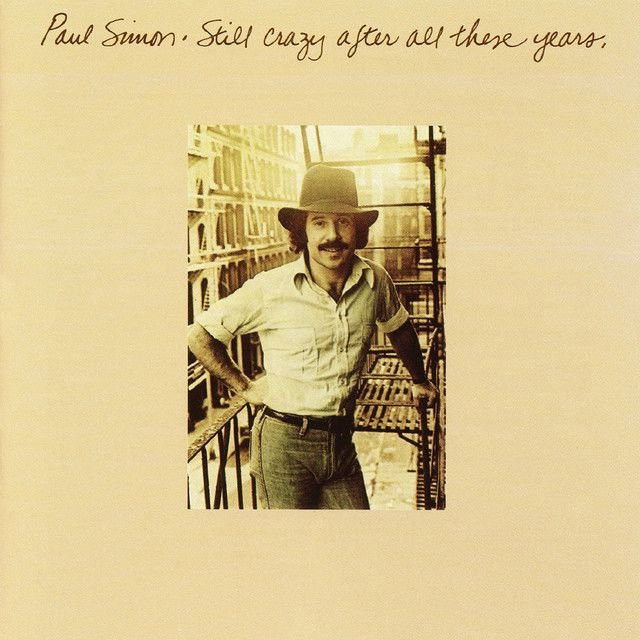
Paul Simon wrote the song, and he recorded it with Art Garfunkel for Simon's 1975 album Still Crazy After All These Years. It was also included on Garfunkel's Breakaway, making it a notable reunion after their split as a duo. That basic release history is well documented by sources like AllMusic and Encyclopaedia Britannica.
A hometown memory with no glow
At first, the song sounds like a simple look backward. The narrator remembers growing up in a place where faith and duty were part of daily life. But those memories are not gentle. Even the early details feel stiff and pressured, not safe.
When the song mentions my little town
, it is not praising community. It is using a familiar phrase almost ironically. The place is small in every sense: physically, emotionally, and imaginatively.
That is why ordinary scenes matter so much. A bike ride past factory gates and a mother hanging laundry should feel grounding. Instead, they suggest a life boxed in by labor, dirt, and repetition. The town is not evil. It is simply drained of possibility.
Watch the official My Little Town
music video
Where the song turns dark
The key to the meaning of My Little Town Paul Simon is contrast. The lyrics set up images that should carry hope, then empty them out. The best example is the rainbow image. After rain, people expect color and renewal. But the song says the colors are effectively deadened, and that the problem is a failure of imagination.
That is one of Simon's smartest moves here. He does not only blame poverty or routine. He also points to a spiritual problem. The town lacks vision. It cannot imagine a fuller life.
Small images, big frustration
A few short phrases show this clearly: dirty breeze
, dreamin of glory
, and dead and dying
. Each one pushes the song away from sweet remembrance.
The dirty air suggests physical decay. The dreams of glory show ambition trying to survive. And the repeated line about death and decline makes the town feel emotionally frozen, as if nothing truly grows there anymore.
The speaker is remembering, but also escaping
The narrator speaks in first person, but the article's larger view is third person: they are hearing someone explain why leaving mattered. In the song, the speaker says they were never important there, just my father's son
. That line captures the pressure of inherited identity.
In other words, the town does not see a full person. It sees a role already assigned. Family name, local expectations, and social habit all decide who someone is supposed to be.
Interpretation: the song is partly about class and partly about self-invention. The factory setting and routine domestic scenes hint at a working-town environment. But the deeper pain comes from feeling reduced before adulthood even begins.
How the chorus changes the whole song
The repeated ending line is what makes the song feel shocking. Without it, this might be a reflective memory piece. With it, the song becomes almost accusatory.
Nothing but the dead and dyingback in my little town
Those words are not just literal. They point to emotional stagnation, worn-out ambition, and the sense that life in that place keeps shrinking. The chorus sounds absolute on purpose. It communicates a mind that has moved from sadness into judgment.
Interpretation: listeners can hear some exaggeration here. Memory often sharpens pain. The speaker may be describing a real town, but they are also describing how that town felt to them.
Why the music hits so hard
The production matters. This is not arranged like a quiet folk reminiscence. It has a tense, dramatic rock-pop drive that turns memory into confrontation. Simon and Garfunkel's voices, famous for clarity and blend, make the message even more striking because the harmonies are beautiful while the words are bleak.
That contrast is crucial. Sweet-sounding vocals carrying bitter images create emotional friction. The song does not let listeners relax into nostalgia.
The performance also builds pressure. The rhythm feels insistent, and the vocal delivery grows more forceful as the song moves forward. That rising energy mirrors the speaker's frustration. What begins as recollection ends almost like a cry of revolt.
Artist context makes the song sharper
Simon wrote many songs about memory, movement, and identity, but this one is unusually severe. The reunion with Garfunkel adds another layer. Because the two artists shared roots in Queens, listeners often hear the song as carrying lived experience, even if it should not be reduced to strict autobiography. Biographical context from The Recording Academy and Britannica helps explain why the theme of origin feels so loaded.
That shared history gives the song extra weight. Two voices from the same past sing about wanting distance from that past. It makes the complaint feel communal, not just private.
Final takeaway on its meaning
So, what is the meaning of My Little Town Paul Simon? It is a song about how a hometown can become a symbol of limitation. It remembers childhood not as innocence, but as a time when belief, family, and local life already felt too narrow.
Its most powerful message is that escape is not only geographic. It is mental and emotional. The song argues that some places fail because they cannot imagine more for the people inside them.
Disclaimer: This interpretation is based on the song's lyrics, recording context, and critical history. As with any song, listeners may hear different meanings in it.







