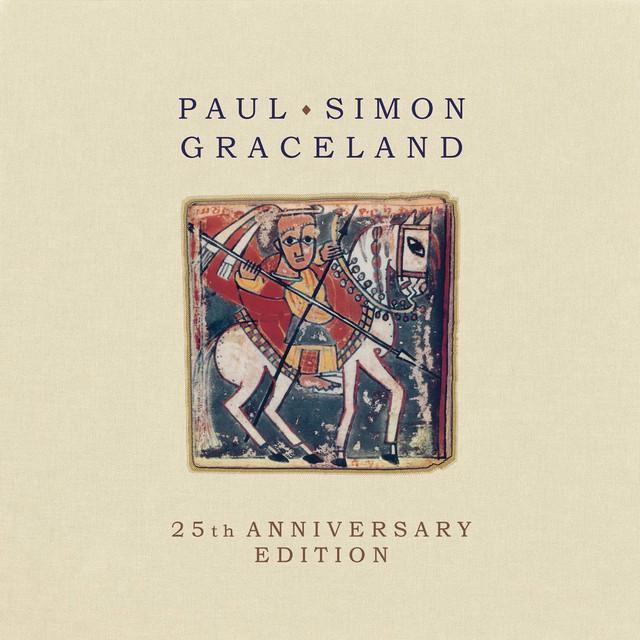
You Can Call Me Al by Paul Simon
A clever grin hides a restless heart. That’s the pull of Paul Simon’s late-’80s hit, where a buoyant, South African–inflected groove carries a narrator who keeps asking what he’s doing with his life. The meaning of You Can Call Me Al Paul Simon turns into a study in identity, aging, and the odd comfort of being seen—by any name.
"You Can Call Me Al" - Paul Simon
He says, "why am I soft in the middle, now?
Why am I soft in the middle?
Loading lyrics...
Unable to load lyrics
We're unable to display the lyrics at this time. Please try again later.
A Midlife Panic Wrapped in a Party Groove
The opening image—A man walks down the street
—feels casual, but it sets a loop. Each verse begins again, as if the same restless thought keeps returning. He worries he’s soft in the middle
, a funny way to admit fear of aging and lost drive.
He wants a “photo-opportunity” and redemption, but also dreads becoming a caricature, a cartoon graveyard
. The humor is disarming, yet the fear is real: he’s asking whether his life will shrink into a gag.

Watch the official You Can Call Me Al
music video
Who’s Talking, and Why Names Matter
The verses are third-person, but the man’s lines read like direct thoughts. He is talking to himself, to the city, and—crucially—to a friend he hopes will protect him from his own doubts. That’s where the chorus enters.
If you'll be my bodyguard
is less about security detail and more about emotional safety. By adding, you can call me Al
, he offers a playful swap: if you watch my back, I’ll let you rename me. Identity becomes flexible, even funny. In that trade, anxiety softens.
The Story Beats That Keep Slipping Away
- Verse 1: He’s uneasy about aging, chasing a quick fix while fearing a silly legacy.
- Verse 2: His attention is frayed. Nights feel long, role models have vanished, and he ducks into alleys that lead nowhere good. Life becomes a jumble of “incidents and accidents,” the kind that blur cause and effect.
- Verse 3: He’s a stranger in a strange world. He doesn’t speak the language or hold currency, yet he hears music everywhere and sees
angels in the architecture
. The scene turns from panic to wonder.
Across these beats, the chorus keeps returning like a life raft—rename me, anchor me, walk with me.
Why the Chorus Feels Like Rescue
The hook reframes the verses by offering companionship over clarity. There are no neat answers, only a pact: I’ll be your “long lost pal,” you be my “bodyguard,” and we’ll keep moving. Interpretation: The chorus suggests that certainty isn’t required if connection is secure. Names, titles, even roles can flex as long as loyalty holds.
Symbols You Might Have Missed
- Mr. Beerbelly and stray dogs: comic images of middle-aged decay and nagging worries that nip at the heels.
- “Cartoon graveyard”: a fear of becoming a joke—of being flattened by one’s own public image.
- Foreign streets and marketplaces: disorientation that becomes openness to the world. It’s scary, then liberating.
- “Angels in the architecture”: awe inside the everyday. Interpretation: spiritual flashes that arrive in ordinary spaces when attention shifts from fear to wonder.
How the South African Sound Changes the Lens
The track’s propulsion comes from interlocking guitars, bright percussion, and township-jive energy. Instead of a gloomy midlife monologue, we get witty self-examination over a celebratory groove. That contrast is the point: anxiety feels survivable when carried by danceable rhythm.
There’s craft behind the smile. The famous fretless-bass break is played forward and then reversed on the record, turning a virtuosic run into a Möbius strip of sound. Pennywhistle-like lines and punchy horns color the scene with joy. Produced by Paul Simon with Roy Halee for Graceland (1986), the sonics echo the lyric’s arc—from fretful to expansive—by layering sparkle over doubt.
Alternate Readings That Still Fit
- Interpretation: It’s about celebrity. The “photo-opportunity” and fear of caricature hint at a public figure fighting his own image. The chorus then becomes a plea for one private ally.
- Interpretation: It’s about spiritual surrender. The final verse moves through confusion into praise, ending not with answers but with wide-eyed gratitude.
Both readings work because the chorus keeps human need at the center: endure the noise, rename the fear, walk together.
Cultural Touchstones That Echo the Theme
The video flips roles, with Chevy Chase front-and-center while Simon plays the sidekick. That playful switch mirrors the song’s naming gag and its question: Who gets to define you? The joke lands because the song has already taught us to loosen our grip on labels.
Takeaway: A Smile That Tells the Truth
Beneath the party beat, this is a kind portrait of a worried person trying to stay open to life. The meaning of You Can Call Me Al Paul Simon is not a riddle; it’s a dare to accept help, laugh at yourself, and keep walking—even when the map makes no sense.
Disclaimer: Song meanings are interpretive and can vary by listener.








